
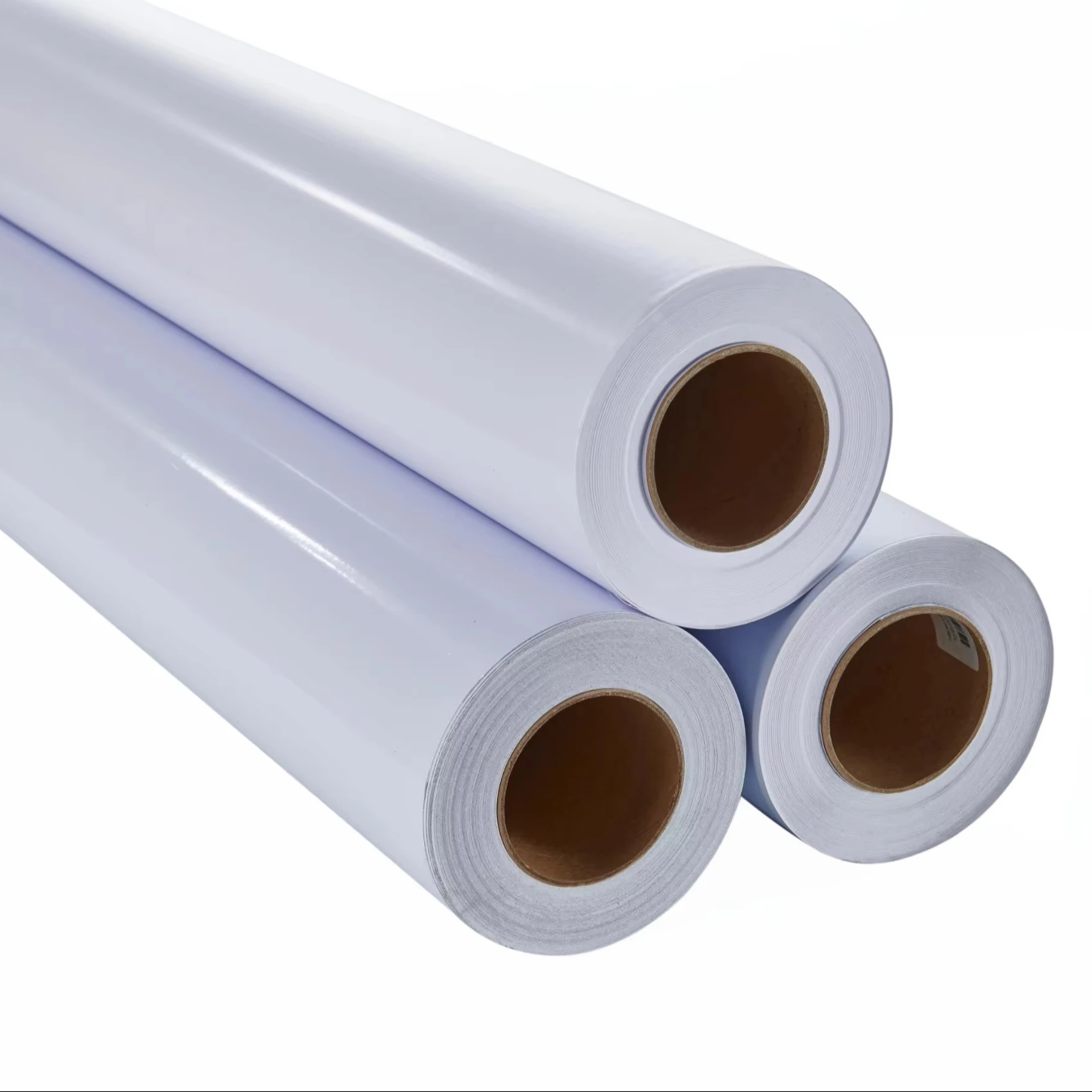
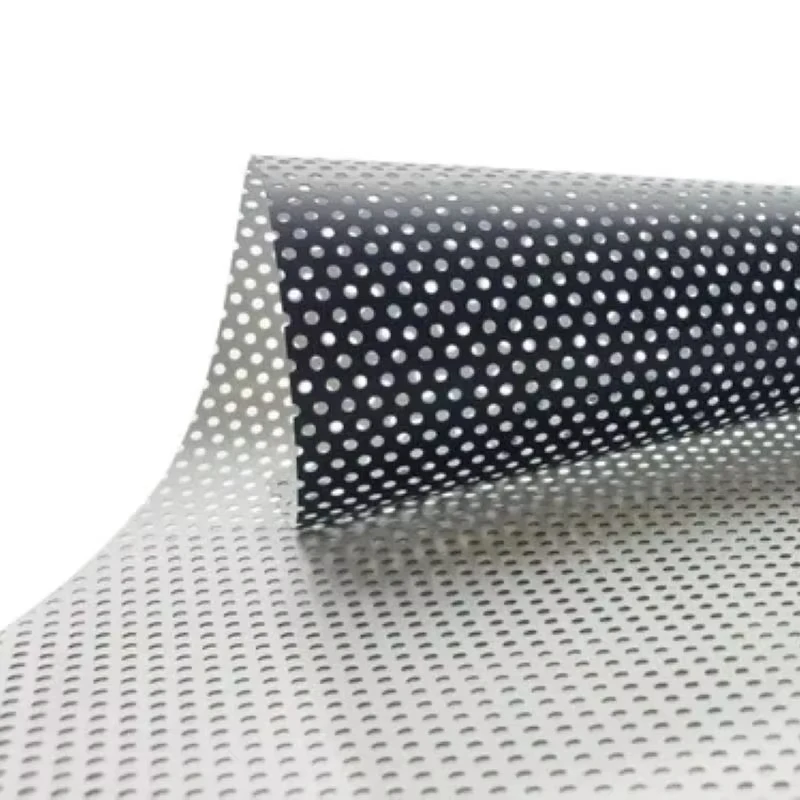
Picking the right substrate means finding materials that work well under different conditions. Vinyl is king when it comes to wrapping cars and making outdoor banners because it stands up to weather pretty well and bends around curves without tearing. The good stuff lasts anywhere from 5 to 7 years on car surfaces before needing replacement. Fabrics such as polyester blends and cotton mixtures are great for big wall murals and those stretched fabric displays seen in stores. These materials resist wrinkles and hold colors really well, which makes them popular choice for high impact visuals. Canvas works wonders for reproducing fine art pieces and creating impressive office wall graphics. Meanwhile, mesh options free of PVC let air pass through, so they're perfect for those massive billboards and building wraps that need to handle wind loads. When it comes to signs at retail locations, rigid materials matter a lot. Foam boards, acrylic panels, and aluminum composites give that solid feel customers notice when they touch the sign. Working with a reliable supplier who understands printing media isn't just about getting specs right either. They know all about how strong different materials are, what adhesives stick best, and whether something meets fire safety standards depending on where it will be installed.
Material selection involves balancing three critical dimensions:
| Factor | Outdoor Priority | Indoor Priority | Sustainability Shift |
|---|---|---|---|
| Durability | UV resistance (3–5 years) | Scratch resistance | Biodegradability (≤2 yrs) |
| Aesthetic | Color retention | Texture/gloss options | Natural material appearance |
| Compliance | Fire ratings (Class A/B) | VOC emissions | REACH PVC restrictions |
| Cost Impact | +30–50% premium | Standard pricing | +15–25% for certified media |
When it comes to outdoor signage, materials need UV protection and proper lamination if they're going to survive weather conditions. Indoor displays are different though – color accuracy matters a lot here, along with how the surface feels and whether emissions stay within safe limits. Green considerations have become really important these days. More companies are switching away from PVC materials. We see things like polyolefin films and fabrics made from recycled materials becoming popular choices. According to recent market research (the 2024 Eco Advertising Report), around two thirds of brands now require their suppliers to meet either Greenguard or FSC standards. Top manufacturers aren't just talking about sustainability anymore either. Many actually guarantee at least 40 percent recycled material in their products and ensure that everything can be properly recycled when it reaches the end of its useful life. This helps them comply with those strict EU Eco Design regulations that keep getting updated every year.
How inks interact chemically with different surfaces plays a big role in how long prints last, stick properly, and maintain their colors. Latex inks work well with things like fabric and canvas because they bond when heated, which gives printed items the flexibility needed for wrapping vehicles without cracking or peeling over time. UV curable inks are another story entirely since they harden almost immediately once exposed to light, making them perfect for printing on tough materials such as plastic signs and metal displays that need to withstand harsh conditions outdoors. These have become pretty much standard for most durable signage around stores nowadays. Aqueous inks create really vibrant colors on paper products especially those with coatings applied, though these prints won't survive outside unless protected by some sort of laminating layer first. According to recent research from Ponemon Institute back in 2023, about one third of all adhesion problems stem from mismatched surface energies between ink and material, resulting in roughly seven hundred forty thousand dollars worth of wasted money each year just fixing failed prints across various industries.
Proactive compatibility testing prevents costly defects like ink peeling, cracking, or fading. Top manufacturers recommend:
A leading digital printing media supplier reduced color shift by 62% using substrate-specific ICC profiles. Partnering with certified suppliers ensures access to up-to-date material safety data sheets (MSDS), batch traceability, and technical support—critical for maintaining quality in long-term outdoor applications.
The big names in signage and vehicle wraps are moving away from PVC materials fast as EU rules get stricter. Regulations under REACH specifically go after harmful chemicals like phthalates and heavy metals commonly found in traditional vinyl products. Meanwhile, the new Eco-Design for Sustainable Products Regulation (ESPR) pushes companies to cut down their carbon emissions and make things easier to recycle. According to the latest numbers from Sustainable Signage Report 2023, around two thirds of all new installations in Europe now use water based polyurethane films or recycled polyester banners instead. What's interesting is these newer options hold up just as well against sun damage and wear as old school materials did. Plus they're much simpler to handle at the end of their life cycle. A leading supplier in digital printing recently mentioned how businesses that switch to certified PVC free materials early on save themselves serious money problems later when regulations kick in.
Big companies are increasingly demanding three levels of verification for their marketing stuff these days, which has pushed certified media adoption up by 41% year over year according to Green Marketing Index data from 2024. The FSC chain-of-custody thing basically means that paper used for printing actually comes from forests that are being managed properly, not just anywhere. Then there's Greenguard Gold certification, which checks that printed materials emit very low levels of volatile organic compounds. This matters a lot for stuff inside buildings like store displays or event banners where people spend time. After several major cases where companies lied about their environmental credentials, around 78% of brands now insist on independent audits when making claims about recycled content. Beyond just meeting regulations, this kind of strict checking helps build real trust with customers because they can actually see how materials get from source to finished product on the shelf or at an exhibition.
Copyright © Zhejiang Yueqianshu Digital Technology Co., Ltd. - Privacy policy
 EN
EN


 Hot News