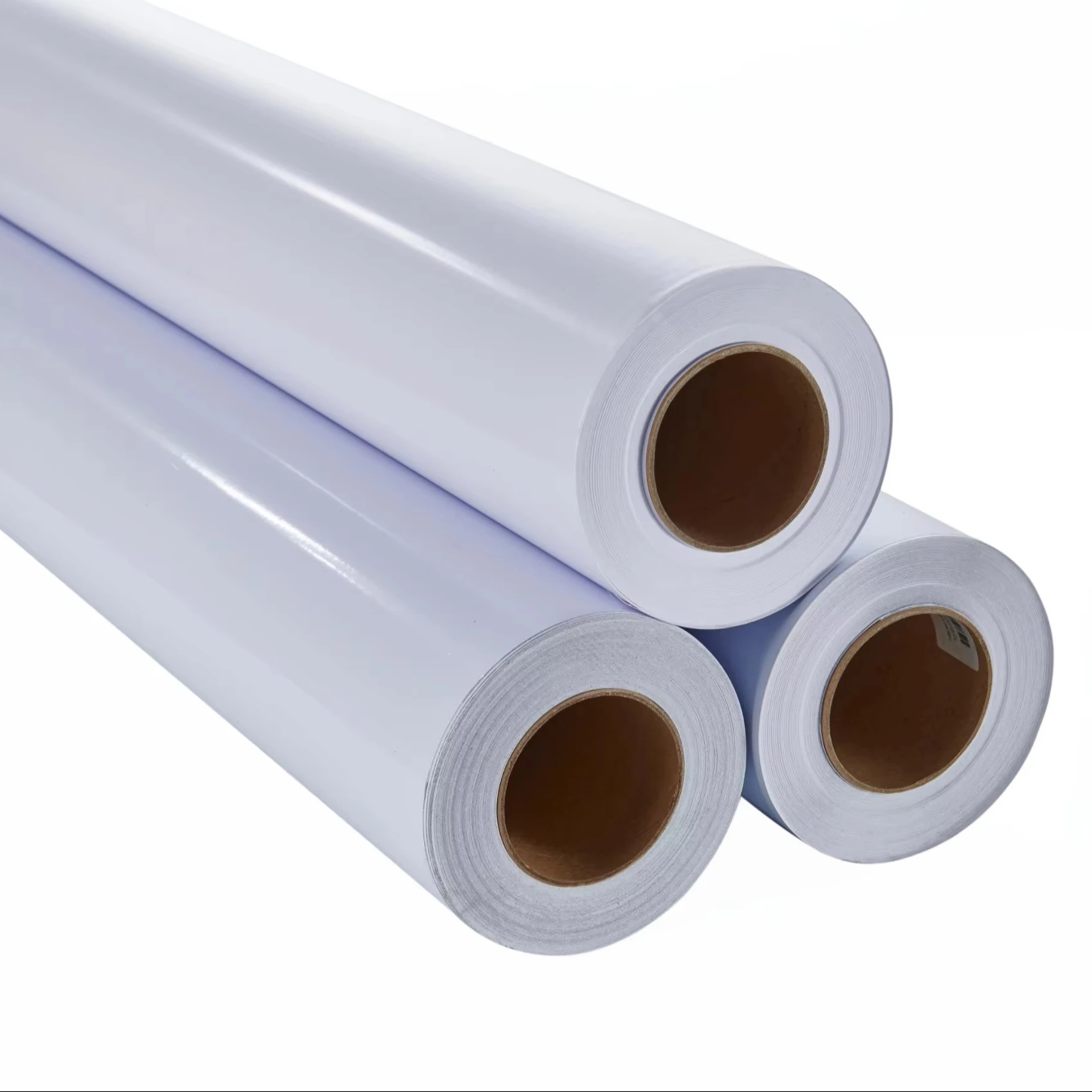
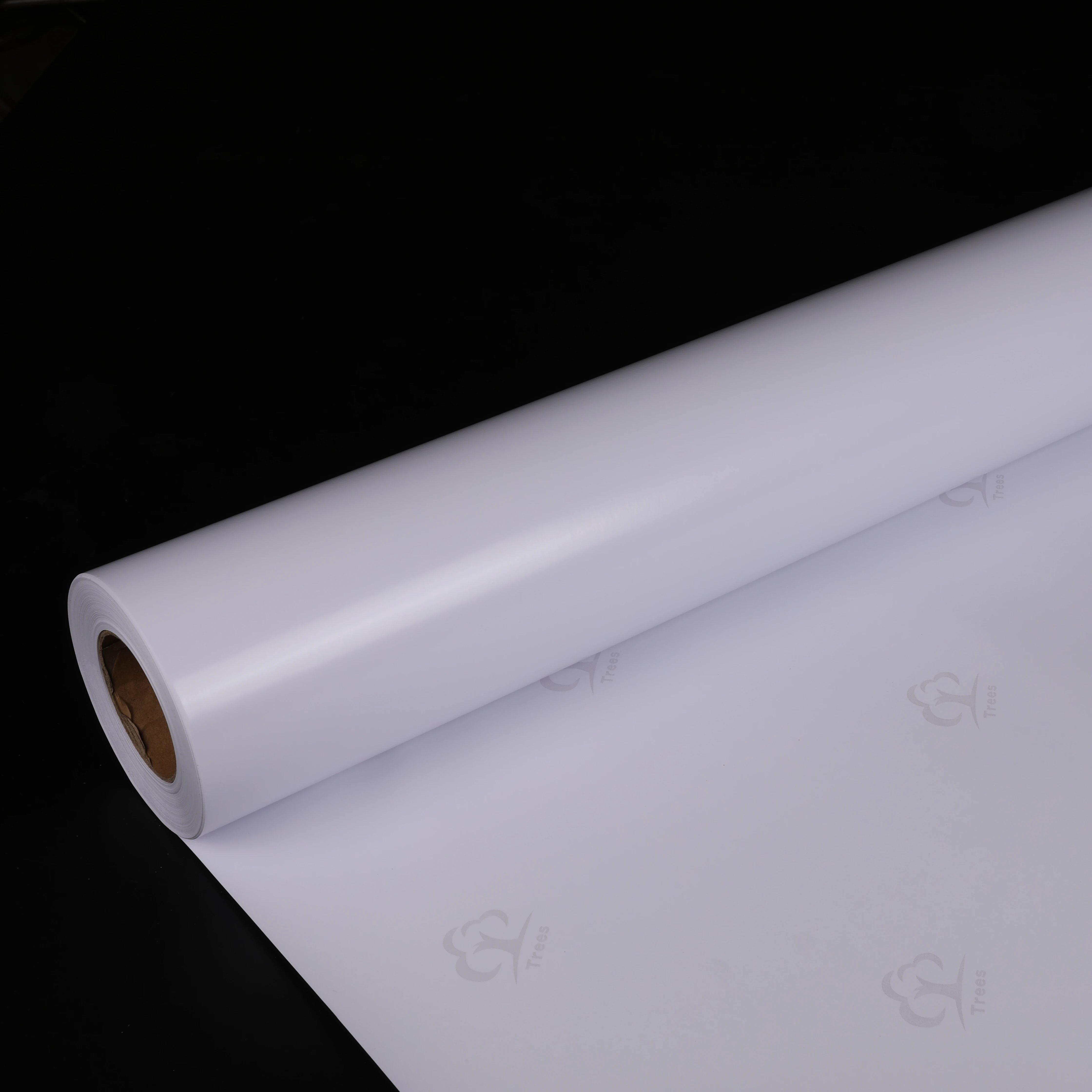
Cold laminating film at 80 microns (often called 80mic) offers what many consider the sweet spot between protection and usability. At this thickness, it creates a nearly invisible layer that guards against scratches and environmental factors while still letting through over 99% of light. Going thinner means the film won't last as long before wearing out. Thicker options tend to be less flexible and prone to cracking, particularly when applied to curved surfaces or mounted displays. What makes 80mic special is how well it conforms to different substrates without losing strength. The material's dense construction blocks moisture effectively with a vapor transmission rate around 0.03g per square meter per day. This meets the strict ISO 18902 standards for archival quality materials and stops plasticizers from migrating through the layers, which can cause ink to blur after extended periods.
Cold lamination that responds to pressure instead of heat removes all the problems associated with thermal damage. Heat tends to ruin printed materials in several ways it can break down inks, melt toners, and warp whatever surface we're printing on. Hot lamination processes typically run at over 100 degrees Celsius, which often leads to unwanted changes in colors, causes adhesives to separate from surfaces, and sometimes even harms delicate emulsion layers. Cold methods maintain the integrity of materials throughout the process. This makes a big difference when working with substrates that react badly to warmth, such as certain plastics, thin papers, and specialty coatings commonly used in high quality print work.
At just 80 microns thick, this film creates a strong barrier against moisture getting through, stops dust particles from settling on surfaces, and protects against scratches from everyday handling. These features help prevent problems we often see with printed materials like ink running, paper curling, or images getting damaged over time. The product has been tested by independent labs according to ISO 18902:2021 standards which are specifically designed for testing how long photos last. When put through these tests that speed up normal wear and tear, the prints maintain their quality even after simulated exposure equivalent to many years in actual use conditions.
This film contains special UV absorbing ingredients that help stop colors from breaking down over time. Tests done by third parties found that there was less than 5% color change measured as Delta E even after 2000 straight hours under UV light. That means artwork placed near windows or under display lights stays bright and looks just like when it first came out of the printer. The way this product is applied cold is really important because it wakes up those protective features without any of the yellowing problems that happen with heat treatments. So we get all the UV protection benefits plus clear visuals that don't fog up or distort.
Testing according to ASTM D882 shows that 80mic cold laminating film really boosts mechanical strength. The tensile strength goes up around 220% when compared to regular prints without lamination. Plus, the tear resistance stops edges from lifting and protects surfaces from getting damaged during installation, moving things around, or going through those temperature changes that happen all day long. For places where stuff gets bumped around a lot like retail displays, signs at events, and labels in factories, this means spending less money on replacements and getting much longer life out of printed materials. Some research from 2023 looked at how well printed graphics hold up in busy transportation centers. After just six months, the ones with lamination had 87% fewer scratches and wear marks than the ones left unprotected. Since the bonding process doesn't involve heat or chemicals that might damage the print, even the most delicate digital prints stay intact even after being handled multiple times. That's why 80 micron cold lamination becomes so important for applications where materials need to last longer and withstand rough treatment too.
The 80mic cold laminating film provides top notch protection for documents and artwork thanks to its chemical makeup that stops acid from moving around, prevents oxidation, and combats embrittlement. These are actually the main reasons why unprotected prints tend to turn yellow and break down over time. What makes this material really special is how it creates a barrier against stuff in the air like ozone and those volatile organic compounds we hear so much about these days. Those airborne chemicals can really speed up the fading process of colors. This kind of protection meets all the standards set out in ISO 18902:2021 regarding how long photos should last. Museums love it for their exhibits, corporations use it for important records storage, and event planners find it works great for those big commemorative displays too. At 80 microns thick, the film gives enough stiffness to stop paper from warping during display but still bends easily enough when mounting on walls or frames. Prints that would normally be thrown away after an event can now last way past 25 years, keeping their original look and staying intact so they maintain their importance whether for history buffs or businesses looking to protect valuable marketing materials.
Copyright © Zhejiang Yueqianshu Digital Technology Co., Ltd. - Privacy policy
 EN
EN
 Hot News