Blog Abstract: Outdoor advertising campaigns face constant environmental challenges, from UV degradation and rain to extreme thermal fluctuations and high wind loads. Selecting standard, non-weather-resistant vinyl leads to premature fading, edge curling, tearing, and costly reprints. This article analyzes the structural characteristics of weather-resistant vinyl—including material density (from 13 oz to 18 oz), UV-stabilized coatings, pressure-sensitive acrylic adhesives, and eco-friendly certifications—to explain how proper substrate engineering ensures long-term display permanence and brand protection.
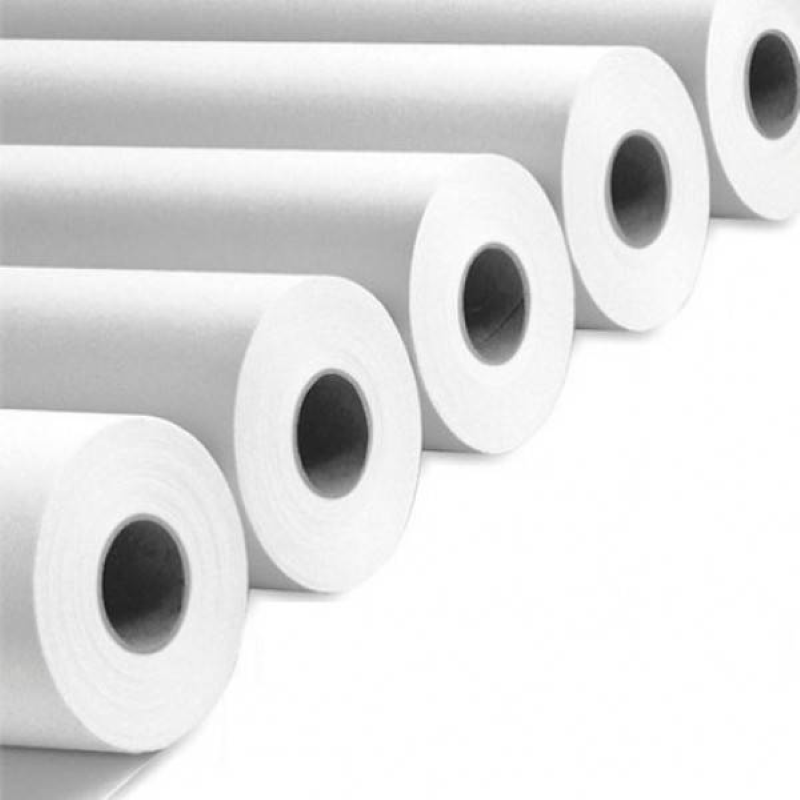
Quality outdoor vinyl is engineered to withstand environmental exposure that standard indoor or short-term materials cannot handle. Weather-resistant vinyl integrates UV-stabilized formulations that resist fading, waterproof coatings to prevent moisture damage, and flexible polymer structures designed to prevent cracking in sub-zero temperatures or warping in extreme heat.
Unlike short-term display films, professional-grade outdoor vinyl is built to last for extended periods. Depending on material weight, ink formulation, and protective lamination, a well-engineered weather-resistant banner can achieve 3 years of unlaminated display permanence, with heavy-duty formulations lasting up to 8–10 years outdoors.
Material Thickness: Heavy-duty variants (such as 15 oz or 18 oz) feature thick scrim reinforcement to maximize tensile and tear strength.
Thermal Range Performance: Maintains structural flexibility across extreme seasonal temperature shifts.
Moisture Resistance: Impermeable coatings block rain and humidity, preventing water absorption, edge curling, and mold formation.
Standard, non-rated vinyl degrades rapidly when subjected to outdoor environmental stress.
Solar Radiation (UV): UV rays break down polymer chains, leading to pigment fading and substrate embrittlement.
Rain and Moisture: Water penetrates unsealed substrate edges, causing edge curling, delamination, and mildew growth.
High Wind Loads: Dynamic wind forces concentrate stress on hems and attachment points, leading to grommet tear-out.
Achieving high durability requires specific manufacturing standards, from the base polyester scrim to the adhesive and surface coating.
Standard Vinyl (Short-Term): Material Weight ~13 oz | Indoor/Short-Term Use | Low to Moderate Tear Resistance | Standard Adhesive | Expected Lifespan: Months
Medium-Duty Vinyl: Material Weight ~15 oz | Event/Medium-Term Use | Moderate Tear Resistance | Water-Resistant Acrylic | Expected Lifespan: 1–2 Years
Heavy-Duty Premium Vinyl: Material Weight 18 oz | Long-Term/High-Wind Outdoor | High Tear Resistance (Reinforced Scrim) | Cold-Temp Pressure-Sensitive Acrylic | Expected Lifespan: 3 to 10 Years
Modern manufacturing emphasizes both durability and sustainability. Eco-conscious production lines utilize PVC-free formulations or PET-based materials alongside certifications such as GREENGUARD Gold and ISO standards. Products engineered for specialized applications—such as eco-solvent printable PET banner media—provide uniform light transmission while meeting international quality control metrics.
To select the correct weather-resistant vinyl for a specific installation, evaluate four primary factors:
Substrate Density: Use 13 oz for short-term promotional banners, 15 oz for medium-term displays, and 18 oz for long-term, high-wind, or double-sided outdoor applications.
UV Protection: Verify that UV-inhibiting additives are integrated directly into the vinyl substrate and coating, rather than relying solely on ink coverage.
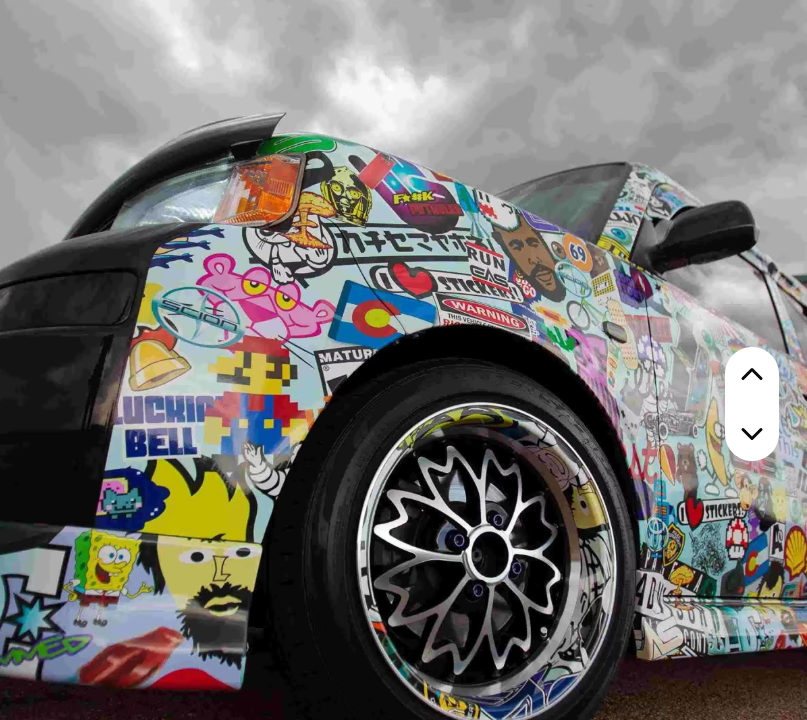
Outdoor-Grade Adhesives: For pressure-sensitive vinyl graphics (such as vehicle wraps or building decals), specify permanent, cold-temperature pressure-sensitive acrylic adhesives.
Reinforced Finishing: Ensure banners feature welded or sewn hems and high-tensile grommet placements to withstand dynamic wind loads.
Investing in weather-resistant vinyl is essential for maintaining the performance and visual impact of outdoor advertising campaigns. By matching the substrate weight, UV resistance, and tensile strength to the environmental conditions of the installation site, advertisers eliminate premature failures, lower long-term replacement costs, and ensure consistent brand presentation.
Copyright © Zhejiang Yueqianshu Digital Technology Co., Ltd. - Privacy policy
 EN
EN
 Hot News