ملخص المقال: لقد اعتمدت قطاعات الإعلانات الخارجية والإعلانات الترويجية لسنوات عديدة على مواد مبنية على مادة البولي فينيل كلوريد (PVC) وأحبار مذيبة، ما يشكّل تحديات بيئية وصحية كبيرة. ويوفّر ظهور تقنية الطباعة الرقمية باللاتكس بديلاً مستداماً دون المساومة على الجودة البصرية أو المتانة. ويستعرض هذا المقال الكيمياء الكامنة وراء ألوان اللاتكس القائمة على الماء، والانتقال إلى مواد طباعة خالية من مادة البولي فينيل كلوريد (PVC)، والشهادات الرئيسية المتعلقة بالسلامة والبيئة، والطلب المتزايد في السوق على حلول إعلانية صديقة للبيئة.
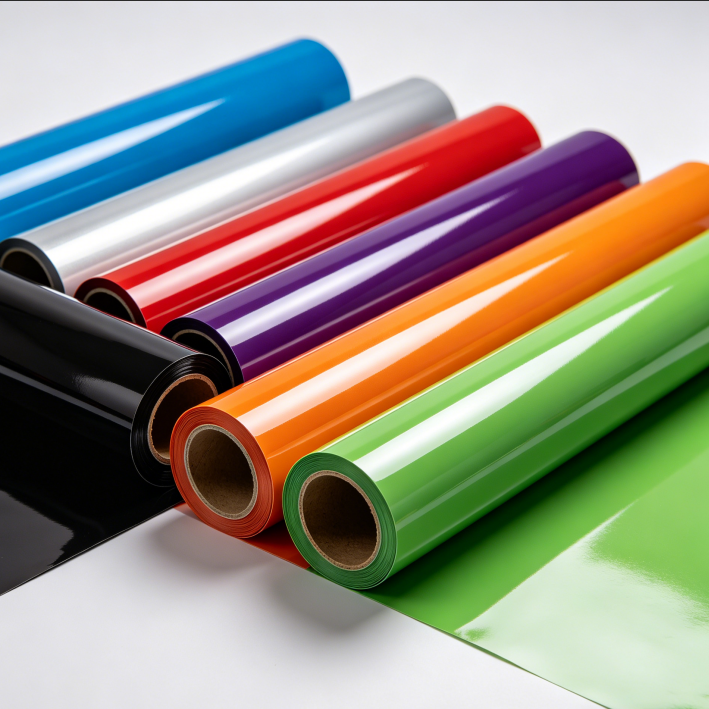
تعتمد تقنيات الطباعة التقليدية المذيبة وشبه المذيبة على مذيبات كيميائية قاسية لنقل أصباغ الألوان وذوبانها في سطح المادة المطبوع عليها لتثبيتها. وتؤدي هذه العملية إلى إطلاق مركبات عضوية متطايرة (VOCs) في الهواء أثناء مرحلتي الطباعة والتجفيف، ما يستدعي تهوية متخصصة ويشكّل مخاطر صحية مهنية لمشغّلي الماكينات.
على النقيض من ذلك، فإن حبر اللاتكس عبارة عن تركيبات مائية تحمل أصباغ الألوان داخل تشتت بوليمر معلَّق.
الطباعة المذيبة التقليدية: ناقل مذيب → يذيب الصبغة المادة الأساسية → انبعاث كثيف للمركبات العضوية المتطايرة (يتم التصلب بالحرارة)
الطباعة باللاتكس: ناقل مائي (ماء + تشتت بوليمر) → تتبخر الحرارة الماء → فيلم بوليمر متين (انبعاث معدوم أو منخفض جدًّا للمركبات العضوية المتطايرة)
ناقل مائي: تتكوَّن تركيبة الحبر أساسًا من الماء، ما يقلل بشكل كبير الانبعاثات الضارة أثناء الإخراج.
التصلب الحراري الفوري: تُسبب الحرارة المطبَّقة داخل الطابعة تبخر الماء وانصهار جزيئات البوليمر، مما يُحاط الصبغة بفيلم مرن ومتين.
التجهيز الفوري بعد الطباعة: بما أن المطبوعات تجف وتتصلب تمامًا داخل الطابعة، فهي جاهزة فورًا للتصفيح أو القص أو الشحن أو التركيب دون انتظار لفترات انبعاث الغازات.
مخرجات خالية من الرائحة: غياب المذيبات الكيميائية القاسية يضمن أن المطبوعات النهائية خالية تقريبًا من الرائحة، مما يجعلها مناسبة للبيئات الداخلية الحساسة.
بينما يقلل تغيير تركيبة الحبر من الملوثات الجوية، فإن معالجة التأثير البيئي للرسومات الإعلانية يتطلب تقييم مادة الركيزة نفسها. كانت مواد اللافتات من كلوريد البوليفينيل (PVC) تهيمن تقليديًا على السوق بسبب انخفاض التكلفة ومقاومة التمزق العالية، لكنها تحتوي على مطريات وفثالات تُعقِّد إعادة التدوير والتخلص.
لتحقيق أقصى فوائد الاستدامة في الطباعة باللاتكس، طوّرت الشركات المصنِّعة خيارات خاصة من المواد الداعمة الخالية من مادة البولي فينيل كلورايد (PVC)، المصمَّمة خصيصًا لتثبيت حبر اللاتكس ودرجات حرارة التصلب الخاصة به:
أغشية البولي بروبيلين (PP): أغشية خفيفة الوزن وقابلة لإعادة التدوير، مثالية للوحات القابلة للطي الداخلية ولواحق المعارض التجارية ولرسومات نقاط البيع (POS).
المواد الداعمة من البولي إيثيلين تيريفثالات (PET): توفر ثباتًا أبعاديًّا عاليًا ووضوحًا استثنائيًّا لشاشات الإضاءة الخلفية ولرسومات النوافذ.
المنسوجات المنسوجة وغير المنسوجة من البوليستر: أقمشة تنفسية وخالية من مادة البولي فينيل كلورايد (PVC)، مناسبة للإشارات الناعمة والرايات والتغطيات الجدارية المعمارية.
الأقمشة البوليمرية المعاد تدويرها: مواد داعمة تُصنع باستخدام بلاستيك معاد تدويره من المستهلكين، مما يقلل الاعتماد على الوقود الأحفوري الأولي.
يُمكِّن اعتماد وسائط الطباعة الرقمية المصنوعة من اللاتكس مقدِّمي خدمات الطباعة (PSPs) ومالكي العلامات التجارية من الامتثال لإطارات الامتثال البيئي الصارمة والشهادات الخارجية:
| معيار الشهادة | الأهمية البيئية والصحية |
| GREENGUARD Gold | يؤكِّد انخفاض انبعاثات المواد الكيميائية في البيئات الداخلية الحساسة مثل المدارس ورياض الأطفال والمستشفيات. |
| معيار OEKO-TEX® 100 | يكفل خلوّ الأقمشة المستخدمة كوسائط طباعة من مستويات سامة ضارة من المواد السامة والمعادن الثقيلة. |
| متوافق مع معايير REACH | معيار أوروبي ينظِّم السلامة الكيميائية للمواد الأولية المستخدمة في الوسائط والمحبرات. |
تثبت هذه الشهادات أن الرسومات المطبوعة تحقِّق متطلبات جودة الهواء الداخلي الصارمة، ما يسمح بتثبيتها في المرافق الصحية والمؤسسات التعليمية ومرافق الضيافة والمساحات السكنية الداخلية.
يدفع التوسع المتواصل في اعتماد تقنية اللاتكس في قطاعي الإعلانات الداخلية والخارجية التزامات الاستدامة المؤسسية واللوائح البيئية الأكثر صرامة.
التنبؤات السوقية: بلغت قيمة قطاع حبر اللاتكس العالمي ١٦٫٨ مليار دولار أمريكي في عام ٢٠٢٥ ومن المتوقع أن يصل إلى ٢٥٫٧ مليار دولار أمريكي بحلول عام ٢٠٣٤ (بنسبة نمو سنوي مركب تبلغ ٤٫٩٪).
اللافتات الخارجية ولوحات الإعلانات: يوفّر مقاومةً للعوامل الجوية، واستقرارًا أمام الأشعة فوق البنفسجية، ومقاومةً للماء تُماثل تلك التي تقدّمها أحبار المذيبات التقليدية.
التجزئة ونقاط الشراء (POP): يوفّر تشبعًا لونيًّا زاهيًا وتفاصيل دقيقة للرسومات الترويجية الداخلية دون روائح كيميائية.
التطبيقات المعمارية وتغطيات الجدران: يتوافق مع معايير مقاومة الحريق الصارمة وانبعاثات المواد المنخفضة المطلوبة في تصميم الأماكن الداخلية التجارية.
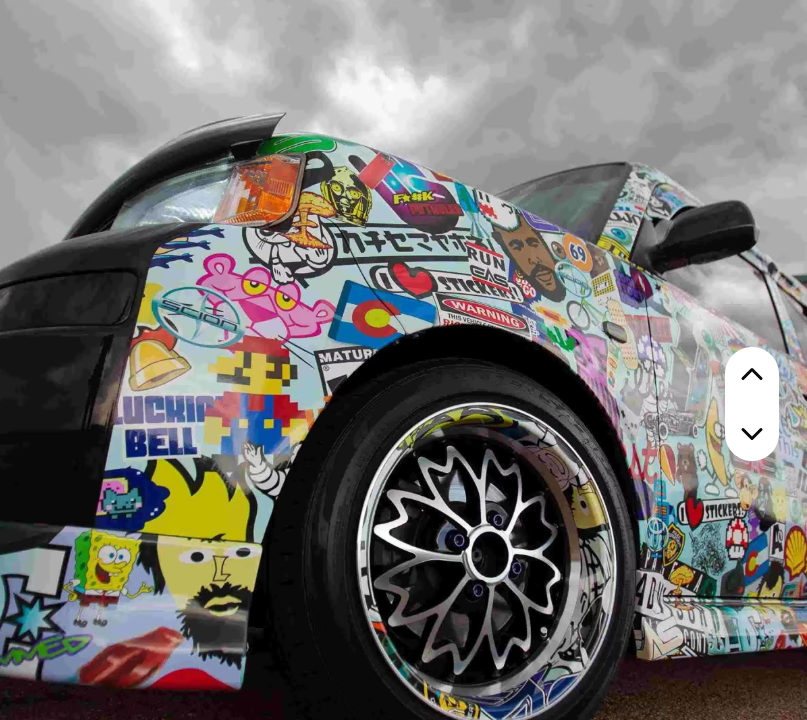
رسومات الأساطيل والنقل: تتيح المرونة العالية للطبقة تشكُّلها بسلاسة على الأسطح المنحنية وملامح المركبات.
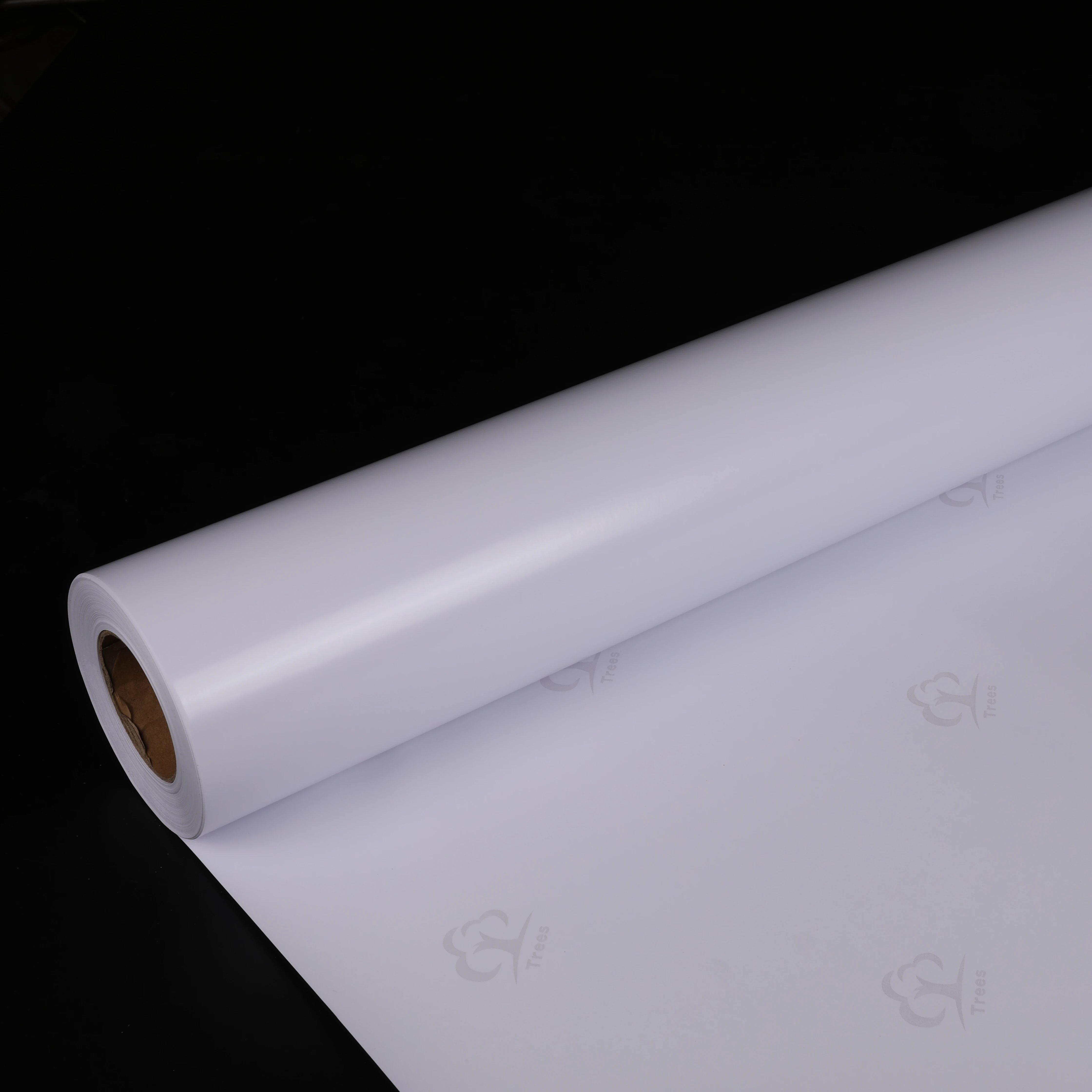
تشكّل وسائط الطباعة الرقمية باللاتكس مسارًا عمليًّا نحو الإعلان المستدام. فبدمج صيغ الحبر القائمة على الماء ومنخفضة الانبعاثات مع قواعد طباعة قابلة لإعادة التدوير وخالية من مادة البولي فينيل كلوريد (PVC)، يمكن لمراكز الطباعة والعلامات التجارية التجارية إنتاج مشاهد بصرية متينة وقوية التأثير مع خفض الأثر البيئي. ومع تزايد الضغوط التنظيمية وتفضيل المستهلكين للممارسات الصديقة للبيئة، يوفّر اعتماد وسائط الطباعة باللاتكس ميزة تنافسية واضحة في مجال الاتصالات البصرية الحديثة.
حقوق الطبع والنشر © شركة تشجيانغ يويتشيانشيو للتكنولوجيا الرقمية المحدودة. - سياسة الخصوصية
 EN
EN
 أخبار عاجلة