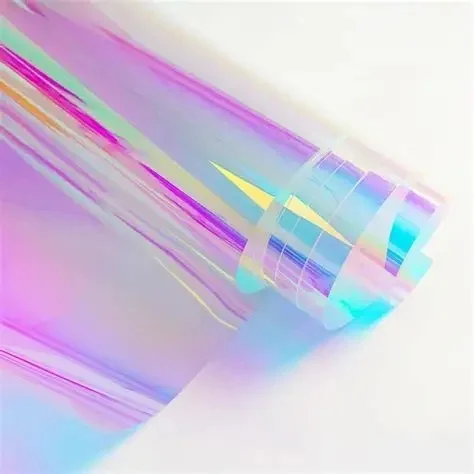
PVC laminirani film dolazi od polivinil-hlorida, poznatog kao PVC. Ovaj sintetički materijal nastaje kada se monomeri vinil-klorida povežu kemijskim reakcijama. Proizvođači obično proizvode ove folije koristeći dvije glavne metode: ekstrudiranje, gdje topljeni PVC prolazi kroz ravne matrice, ili kalandiranje, koje uključuje pritisak materijala između vrućih valjaka dok ne dostigne baš pravu debljinu. Za dodatnu fleksibilnost, proizvođači miješaju plastifikatore kao što su tradicionalni ftalati ili novije opcije bez ftalata. Također dodaju toplinske stabilizatore kako bi se stvari spriječile da se razbiju kada se izlože toplini tijekom proizvodnje. Ono što smo završili je tanak, ali stabilan film koji štiti površine dobro, dok ostaje čista i traju godinama bez značajne habanje.
U skladu s člankom 3. stavkom 1. točkom (a) ove Uredbe, za proizvodnju plastičnih filmova za laminiranje PVC-a primjenjuje se sljedeći kriterij:
Zajedno, ove karakteristike podržavaju provjereni životni vijek rada na otvorenom 57 godina, uz održavanje vizualne vjernosti, dimenzionalne stabilnosti i otpornosti na suze čak i u uslovima visokog prometa i visokog otpornosti.
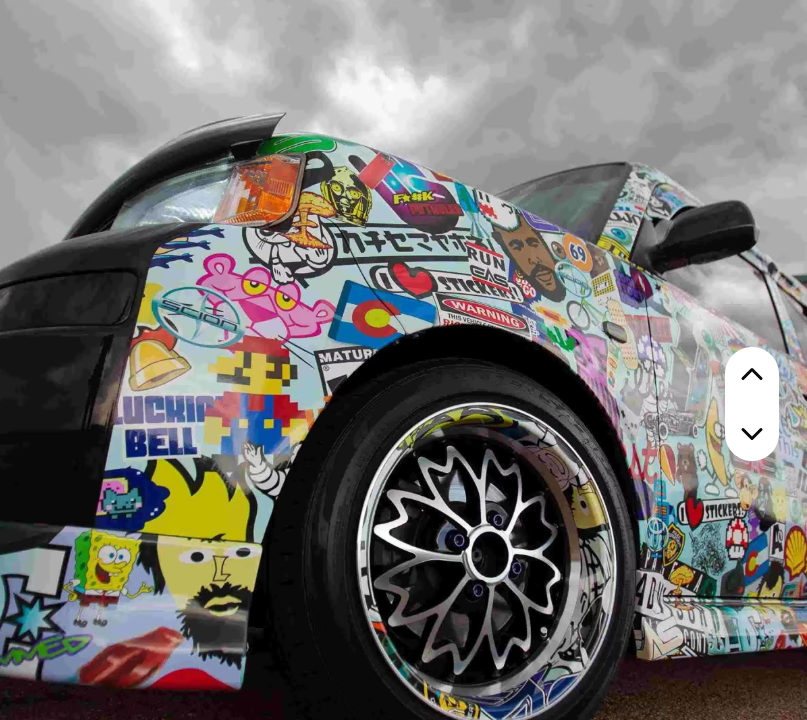
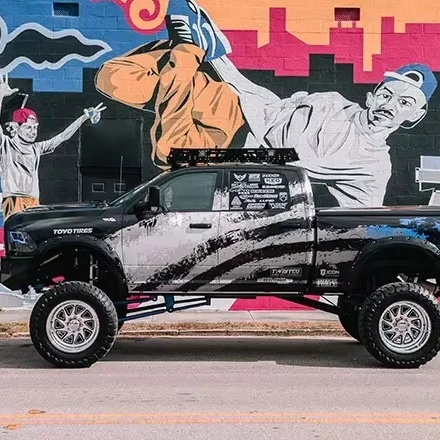
PVC folija za laminiranje čini temelj za dugotrajne obloge za vozila jer je fleksibilna i ima ljepljive osobine. Način na koji su napravljeni omogućava im da se istežu kada je potrebno i da se skinu bez pukotina, što ih čini odličnim za omotanje složenih oblika kao što su zakrivljene površine, bočna ogledala, pa čak i one komplikovane teksturirane dijelove automobila. Moderna akrilna ljepila izdržava sve vrste habanja zbog česte pranje automobila, promjene temperature dok se vozila kreću između vrućeg i hladnog okruženja, plus redoviti kontakt s prljavštinom i prašinom. No ono što je doista važno jest koliko ovaj materijal štiti štampane slike od bledanja uzrokovanog sunčevom svjetlošću, ogrebotina od prašine na cestama i oštećenja od kemikalija koje se nalaze na benzinskim pumpama ili u dućanima za automobile. Dobra dimenzijska stabilnost znači da se ne formiraju mjehurići ili da se slike ne iskrivljaju, tako da logotipi i poruke ostaju jasni i čitljivi bez obzira gdje vozilo ide ili s kojim se uvjetima suočava svakodnevno.
U slučaju permanentnih ili polu-permanentnih vanjskih znakovauključujući ograde za zgrade, kioske i maloprodajne ekranePVC laminirani film pruža višeslojnu zaštitu okoliša:
| Ugroženja | Mehanizam zaštite | Utjecaj na performanse |
|---|---|---|
| UV zračenje | Uređaji za proizvodnju proizvoda iz poglavlja 4. | ≈3% boje bledi tijekom 5 godina |
| Visoka vlažnost | S druge vrijednosti | S druge strane, za potrebe ovog članka, za sve proizvode koji sadrže ulje, ne vrijedi da se upotrebljavaju u proizvodnji. |
| U slučaju da je u skladu s člankom 6. stavkom 1. | S druge vrijednosti | Ne postoji krhkost pri niskim temperaturama ili ljepljivost pri visokim temperaturama |
Ovaj robusni barijerni sustav održava integritet supstrata i hromatsku točnost tijekom sezonskih promjena, kiše, izravnog sunca i gradskog onečišćenja, smanjujući troškove održavanja i osiguravajući dosljednu vidljivost brenda bez prijevremene zamjene.
PVC laminiranje dobro radi u većini digitalnih štampača ovih dana. Govorimo o štampačima na bazi rastvarača, i o eko-otpuštanim modelima, plus UV-obloženim i čak lateksnim sustavima. Većina ljudi nanosi ovaj materijal nakon štampanja kao zaštitni premaz na površinama koje su već ozdravljene i bez čestica prašine. Obično se oslanjaju na laminatore za najbolje rezultate. Za dobru vezu, postoje neki ključni čimbenici koje treba promatrati. Napon mora ostati oko 15 do 25 N/m2. Također je važno kontrolirati temperaturu, negdje između 90 i 110 stupnjeva Celzijusa obično radi trik. I ne zaboravite na brzinu valjača koja treba biti održana na oko 1,5 do 3 metra u minuti. Ako sve ovo napravite kako treba, film će zaštititi od nošenja tinte tijekom rukovanja i postavljanja, pružiti trenutnu zaštitu od štetnih UV zraka i zapravo učiniti da prikaz traje mnogo duže. Neki testovi pokazuju da su prikazi mogli preživjeti sedam godina bez bledanja ili luštenja. To znači da nakon toga nije potrebno dodatno premazivanje niti složeni postupci otvrdnje.
Osim zaštite, PVC folija za laminiranje služi kao strateški alat za brendiranje kroz taktične i optičke mogućnosti završetka:
U skladu s člankom 3. stavkom 2. točkom (a) ovog članka, za proizvodnju proizvoda iz kategorije II. Kako je navedeno u istraživanju iz 2023. godine koje je objavila Međunarodna udruga znakova, 68% potrošača povezuje teksturirane ili posebne završne oblike s većim kvalitetom proizvodašto je izbor završne oblike odlučujući čimbenik u učinkovitosti kampanje i pozicioniranju brenda.
PVC laminirana folija ostaje odabir za ozbiljne radove na vanjskom oglašavanju, i to ne samo zato što ne postoji bolja opcija. Ono što ovaj materijal čini izuzetanim je to što se dobro nosi s UV zračenjem, ostaje čvrst protiv fizičkog stresa i prilagođava se različitim površinama. Vidjeli smo kako ovi filmovi traju između pet i sedam godina vani, što je jako važno kada neuspjela aplikacija može koštati tisuće u troškovima zamjene plus šteta za imidž brenda. U usporedbi s drugim materijalima poput PET-a ili poliolefina, PVC stvarno sjaji na složenim oblicima i krivuljama. Ne pukne na mikroskopskom nivou ili izgubi adheziju, tako da grafika ostaje oštar na stvarima poput autobusa, vanjskih objekata zgrada i svih vrsta čudnih oblika koji trebaju branding.
U smislu svakodnevnih operacija, ovaj materijal se vrlo dobro uklapa u procese digitalnog tiskanja. Sjajno radi s većinom laminatora na tržištu danas, kompatibilan je sa svim vrstama mastila i različitim materijalima podloge. Najbolji dio? Možemo povećati proizvodnju, a zadržati kvalitet. Na novčani strani stvari, to zapravo pomaže produžiti koliko dugo te skupe štampane stvari traju prije nego što je potrebno zamjenu. Manje zamjena znači uštedu novca, plus manje trošimo na troškove rada za rušenje starih stvari i postavljanje novih stvari. Održivost postaje sve važnija ovih dana, pa proizvođači naporno rade na razvoju novih formula PVC-a koje uključuju reciklirane komponente i biljne aditive. Ova poboljšanja ne utječu ni na glavne zaštitne kvalitete. Za tiskarske kuće, oglašivačke agencije i instalatorske timove koji traže nešto pouzdano, dobro izgledalo i dugoročno isplativalo, PVC laminiranje i dalje je odabir nakon godina testiranja i primjene u stvarnom svijetu.
Copyright © Zhejiang Yueqianshu Digital Technology Co., Ltd. - POLITIKA PRIVATNOSTI
 EN
EN
 Vruće vijesti