אקריליק מציע בהירות אופטית מעולה, עם העברת אור של כ-92%, ועמידות מבנית טובה מאוד, ולכן הוא מתאים במיוחד לתצוגות פנימיות עמוסות שראינו בחנויות קמעונאיות ובכלי תצוגה בתערוכות. מותגים מודאגים מאוד מהמראה של המוצרים שלהם, נכון? מאפיין האקריליק שאינו חדיר מאפשר לדפוסים להישאר חדים והצבעים לבלוט בצורה משמעותית יותר מאשר על זכוכית רגילה. בנוסף, אקריליק עמיד יותר מזכוכית בפני מכות, מה שהופך אותו למתאים במיוחד לשלטים מוארים מאחור או לקופסאות תצוגה. כמובן, הוא נגרר בקלות אם מוצף לתנאים קשיחים, אך כאשר משווים מחיר לביצועים, רוב העסקים עדיין בוחרים באקריליק לפרויקטים פנימיים ארוכי טווח בהם המראה חשוב יום אחרי יום.
כשמדובר בהתנגדות לאלמנטים החיצוניים, פוליקרבונט באמת בולט. הוא בערך 250 פעמים עמיד יותר בפני מכות בהשוואה לזכוכית רגילה, ובנוסף יצרנים משלבים בו הגנה מיוחדת מפני קרני UV שמעכבת את הימלדות של שלטים או את התייבשותם לאחר ישבות ממושכות בשמש. חומר זה מסוגל להתמודד כמעט עם כל מה שהטבע מעורר, ועומד בטווח טמפרטורות של מינוס 40 מעלות צלזיוס ועד 120 מעלות צלזיוס ללא סדק. לכן אנו רואים אותו כיום בכל מקום: על שלטי אזהרה בבתי קפה, על לוחות תצוגה בתחנות רכבת ועל חלונות חנויות, שם עסקים רוצים להבטיח שההודעות שלהם ישארו נראות ללא תלות בתנאי הסביבה. אמנם המחיר הראשוני שלו גבוה ב-15–20 אחוזים לעומת אלקליק, אך ההוצאה הנוספת משתלמת, משום שפוליקרבונט נמשך כ־5–7 שנים בחוץ לפני שהחלפה נדרשת. עבור חברות שמתמקדות בעלויות ארוכות טווח ולא רק בהוצאות הראשוניות, זה אומר פחות החלפות של שלטים לאורך זמן, והמשכיות טובה יותר במאמצי המותג בין מיקומים שונים.
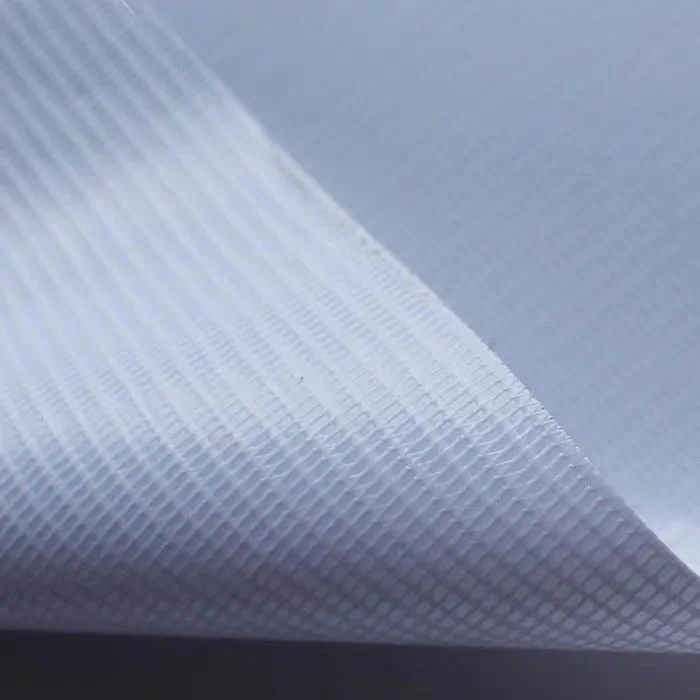
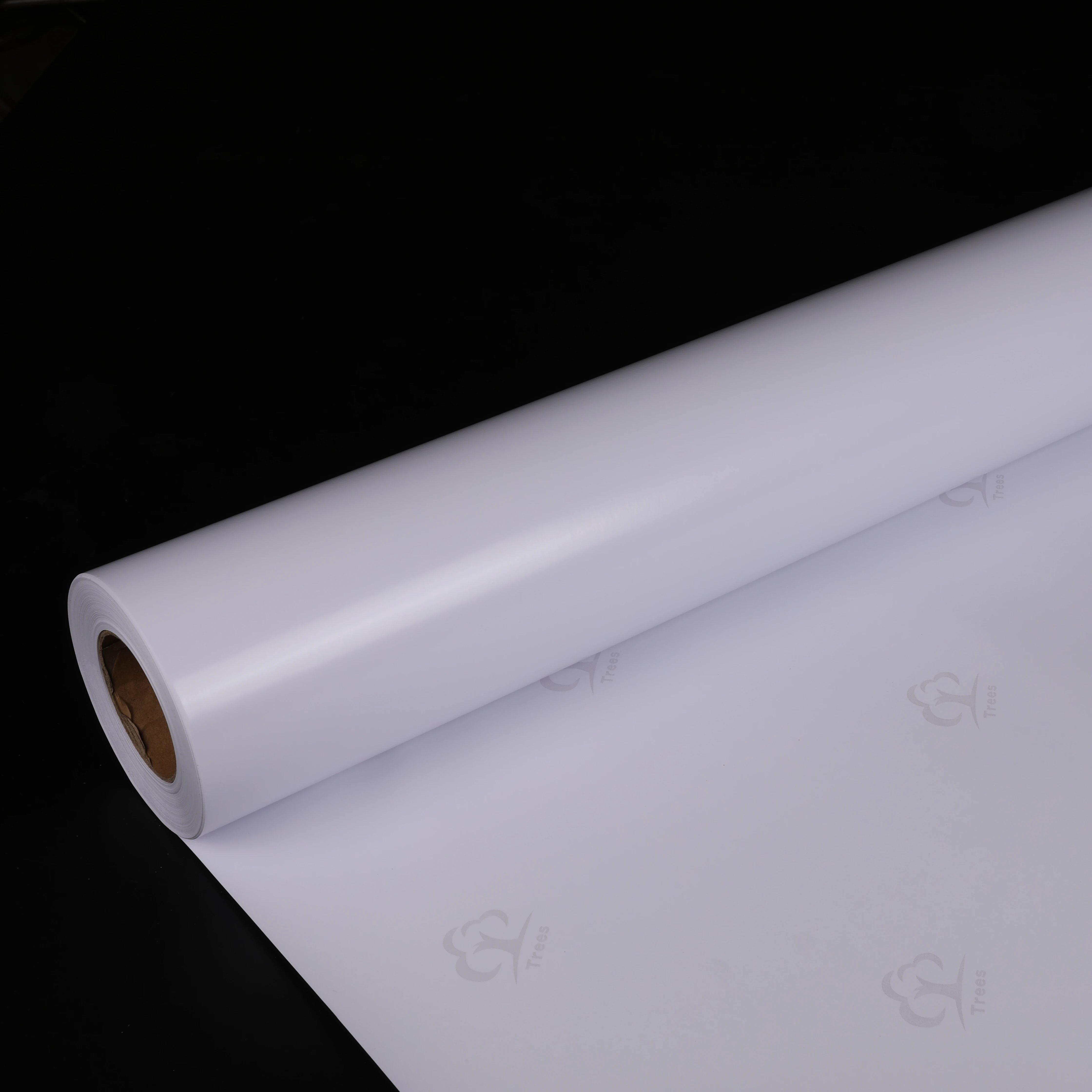
כאשר מדובר בחומרים ניתנים להדפסה, לוח הפוליאוריתן המוקצף (PVC) באמת בולט בזכות הקלות שלו בהשוואה לאופציות קשיחות אחרות. זה הופך אותו לקל מאוד לשאת סביב, במיוחד עבור התקנות מהירות באקספוזיציות או מאמצים שיווקיים קצרים. המשטח כולל מסיון מאט עם נקבוביות זעירות שמתאימות מצוין לדיו אולטרה סגול (UV) ולדיו מבוסס ממסים. הדימויים המודפסים עליו שומרים על עוצמת הצבע שלהם לאורך זמן, ובנוסף, ניתן לחסוך כ־40% בעלויות החומר בהשוואה ללוחות אקריליק או לוחות פוליקרבונט. מרבית המשתמשים מוצאים שהחומר הזה מתאים למתקנים שיעמדו פחות משנה וחצי. הוא בשימוש נרחב כקיר רקע באקספוזיציות, כמעמד תצוגה קמעונאי בתוך חנויות וכשלטים פנימיים מגוונים. אם יש צורך להציב את הלוחים בחוץ מדי פעם, הוספת שכבה של למינט תסייע להגן מפני חדירת מים ללוח לאורך זמן.
חומרי תצוגה להדפסה השימוש בחוץ דורש התמודדות עם תנאי קיצון די קשים. כשמדובר בהגנה מפני קרינה فوق סגולה (UV), תקנים כמו ASTM D4329 ו-ISO 4892-3 עוזרים למדוד עד כמה חומרים מתנגדים להבהבה של הצבעים ולפירוק שלהם לאורך זמן. פוליקרבונט נוטה להציג את הביצועים הטובים ביותר בתחום זה, משום שהוא מטפל באור השמש באופן טבעי טוב יותר מרוב החומרים האחרים. גם היכולת להתנגד לשינויי טמפרטורה היא קריטית. החומרים חייבים לשמור על יציבותם גם כאשר הטמפרטורות משתנות בין מינוס 20 מעלות צלזיוס ועד 60 מעלות, כדי למנוע בעיות כגון עיוות או הפרדה של שכבות. גשם, לחות וכל סוגי האבק והאבקנים באוויר יוצרים אתגר נוסף. לוחות אקריליק נוטים לשמור על הצורה והחוזק שלהם במשך כשלוש עד חמש שנים, אם הוצבו כראוי בחוץ. ראינו מקרים בהם חומרים שלא עומדים בדרישות הללו מתחילים להיכשל בקצב מטריד – לעיתים קרובות במעל 40% בתוך שנה אחת בלבד, במיוחד באזורים קרובים לקו החוף, שם אוויר מלוח מאיץ את התהליך של הידרדרות החומר. הבחירה בחומרים בסיסיים שמתאימים לדרישות התעשייה מהווה את כל ההבדל בביצועים ארוכי הטווח.
כאשר מדובר במשטחים פנימיים, החשיבות הראשונה היא להשיג את התמונה הוויזואלית הנכונה, יותר מאשר עמידותם לגורמים סביבתיים. המשטח חייב להיות חלק מאוד, ורצוי שמעבדת הרעדה שלו תהיה תחת 0.5 מיקרון (Ra), מה שמאפשר להבליט בבירור את כל הפרטים הקטנים ביותר ומונע מציאת הדיו במקומות לא רצויים. זה חשוב במיוחד בעת הדפסת תמונות או כל תוכן אחר שכולל טקסט עדין. כאשר משתמשים בדיו המבוסס על ממסים, אנו בדרך כלל רואים חוזק הדבקה של מעל 95% על לוחות פוליביניל כלוריד (PVC) מוצקים באיכות טובה, אשר נערכו כראוי. כלומר, אין נוצרות סדקים או התנתקויות בעת טיפול או התקנה של ההדפסים הללו על ידי אנשים. עבור יציאות פורמט גדול, שמירה על שטיחות בתוך טווח של פלוס/מינוס 1 מ"מ למטר רבוע עוזרת למנוע פערים מובחנים בין הלוחות. בנוסף, מכיוון שהרוב המכריע של ההתקנות מתבצע בפנים, שם הטמפרטורות נשארות יציבות, בדרך כלל אין צורך לדאוג להתפשטות או התכווצות של החומרים בעקבות שינויים בטמפרטורה. מרבית הגרפיקה הפנימית שומרת על צבעיה בבהירות גבוהה לפחות חמש שנים, גם אם לא מוספת שכבת לamination הגנתית כלשהי.
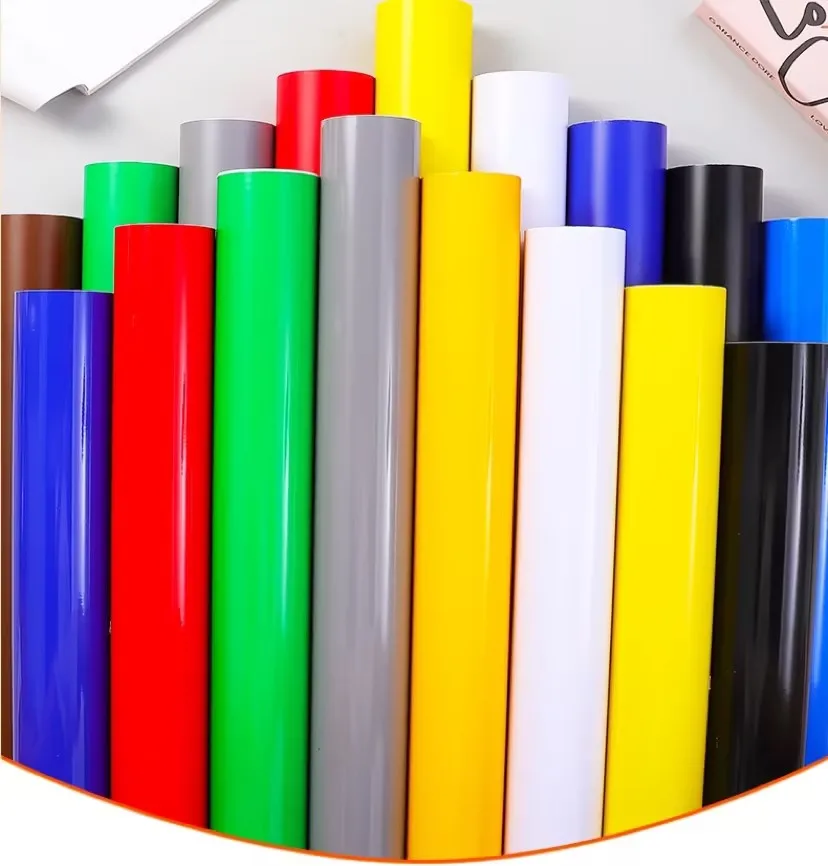
כשבוחרים חומרים לתצוגות להדפסה, יש ארבעה דברים עיקריים שיש לקחת בחשבון יחד: כמה זמן הם יחזיקו מעמד, כמה טוב הם נראים, מה התקציב מאפשר, והאם הם ידידותיים לסביבה. עמידות היא גורם מפתח כאן. חפשו חומרים שיכולים לעמוד בחשיפה לקרינת UV בהתאם לתקנים כמו ASTM D4329 או ISO 4892-3. בדקו גם אם הם יכולים לעמוד בפגיעות ללא נזק. PVC רב שכבתי מחזיק מעמד הרבה יותר טוב במהלך התקנה חוזרת ונשנית מאשר אפשרויות כמו עץ או פאנלים אקריליים. גם הוויזואליה חשובה. משטחים חלקים עוזרים לדיו להידבק כראוי וליצור את התמונות החדות והמציאותיות שכולנו רוצים. ואל תשכחו את הקשיחות כדי שהחומר לא יתעוות עם הזמן בהתקנות שנשארות חודשים. העלויות משתנות מאוד בין חומרים שונים. עבור קמפיינים קצרי טווח הנמשכים כשישה חודשים, לוחות קצף PVC מציעים תמורה נהדרת לכסף כשחושבים על העמידות שלהם. אבל אם משהו צריך להחזיק מעמד לנצח בחוץ, פוליקרבונט עשוי להיות שווה את ההשקעה למרות עלויות ראשוניות גבוהות יותר. יותר ויותר חברות שהופכות לירוקות בימים אלה פונות לתצוגות PET ממוחזרות במקום פלסטיק רגיל. אלה מפחיתים את פסולת הפלסטיק בכ-40%, על פי דוח ההדפסה בת הקיימא של Datum משנת 2026. בבחירת מצעים, יש לחשוב תמיד גם על מה שהקמפיין צריך עכשיו וגם על מה שקורה בסוף מחזור החיים שלו. לוחות קומפוסטטיביים מתאימים היטב לאירועים זמניים שבהם סילוק מהיר חשוב. בינתיים, חומרי במבוק איכותיים משתלבים היטב עם השקות מחודשות של מותגים יוקרתיים המעוניינים ליצור הצהרה אקולוגית.
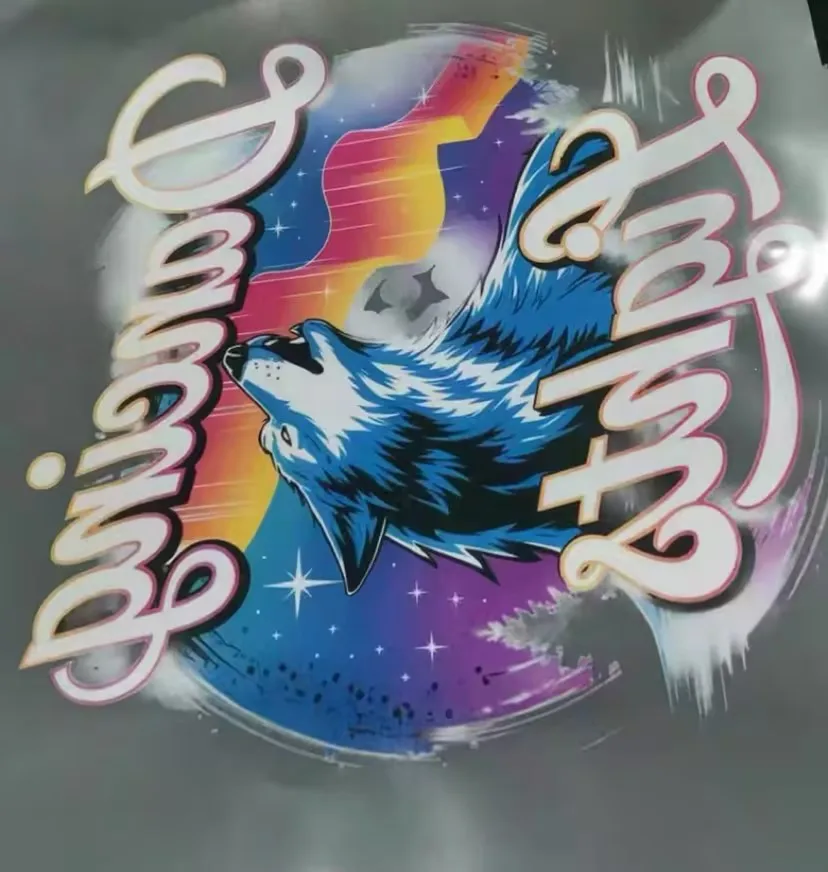
בעת תכנון עבור חומרים שונים, שימור זהות המותג באופן עקבי הוא באמת חשוב בכל הפורמטים. לדוגמה, אקריליק יש לו מראה חלק וזכוכיתי שמתאים מצוין לגוונים נקיים של גופנים סריפיים ולניגודים חזקים של צבעים. תכונות אלו הופכות אותו למתאים במיוחד לתצוגות פנימיות יוקרתיות, מאחר שהאופן שבו האור משתקף מהמשטח למעשה מקל על קריאת הטקסט ומעניק למוצרים מראה איכותי יותר. ליישומים חיצוניים, פוליקרבונט הוא בדרך כלל החומר שאנו ממליצים עליו. החומר דורש גופנים גדולים יותר מסוג סנס-סריף, בגודל מינימלי של כ-24 נקודות, וכן שיכוב מאט כדי לצמצם את ההשתקפות מהשמש, כך שההודעות ישארו נראות גם בשעות היום הבהירות ביותר. לאחר מכן יש את לוחות ה-PVC הפואמיים, ש tekstura שלהם היא מעט גסה ומאפשרת לעבד ביעילות גופנים עבים וצבעים בולטים. אך הנה הקושי: לוחות אלו דורשים דיו סולבנטי מיוחד אם ברצוננו למנוע בעיות של דליפת הדיו ולשמור על הדבקות טובה של ההדפסה לאורך זמן.
להעניק עדיפות:
יישור זה שומר על עקביות חזותית — מהסימונים בתערוכות מסחריות ועד לשלטים ברמה הרחובית — ומחזק ישירות את הזיכרון האודיטורי והה Percipציה המותגית. בירור החומר להדפסה המתאים לא רק הוא החלטת ייצור — אלא הרחבה אסטרטגית של זהות המותג.
 חדשות חמות
כל הזכויות שמורות © Zhejiang Yueqianshu Digital Technology Co., Ltd. - מדיניות הפרטיות
 EN
EN