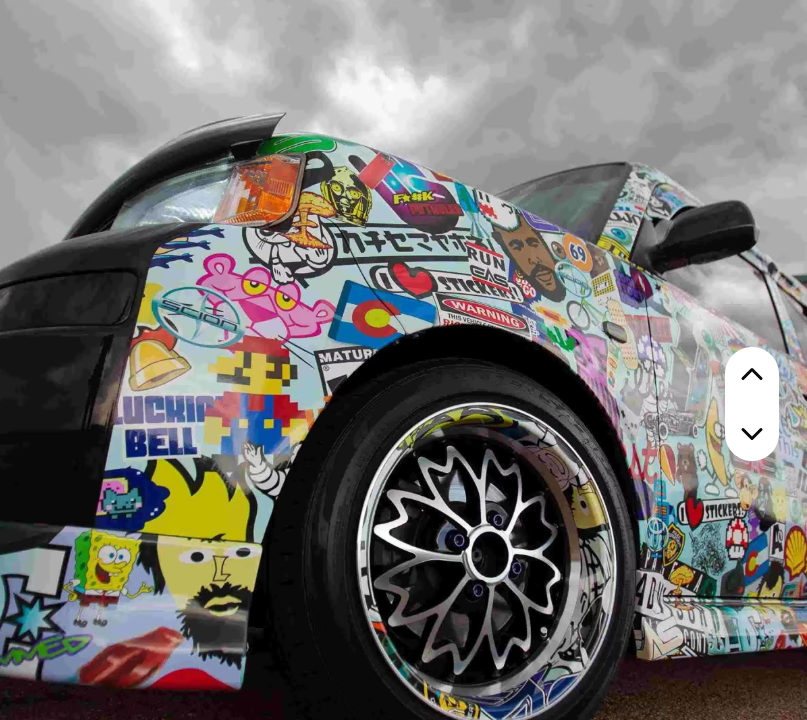
Водно непропусна својства самолепљивог винила са млазом мастила потичу из посебне полимерске структуре, обично на бази акрилних материјала. Ови полимери имају молекуларни ланац који је чврсто повезан, што их чини отпорним на распад када су изложени води. На врху тога, на површини је нанесено водоотступајуће премазивање које спречава да вода упије превише. Када вода не буде апсорбована, спречава се проблеми као што су пластификатори који се крећу унутар материјала или узрокују слабе тачке између слојева. Према недавним студијама објављеним у журналу "Полимер Деградација" прошле године, ове акрилне верзије задржавају око 95% своје чврстоће чак и након што седе у влажним условима више од 500 сати. Ова комбинација карактеристика даје материјалу изузетну издржљивост од оштећења влагом.
Микропорозни горњи слој помаже да се влага селективно управља. То омогућава да пара растворитеља од мастила излазе док сушу, али спречава да вода из споља уђе. Ово је заиста важно за одржавање нетакнутих отисака када су изложени киши или влажним условима. У исто време, лепило има хидрофобне мономере који смањују површинску напетост против различитих материјала. Ово смањује акцију капилара који иначе доводе до проблема као што су отицање, подизање ивица или потпуно одласкање. Тестирање у лабораторијама показује да везе остају јаке око 90% чак и након 30 дана у влажним условима према истраживању објављеном у Adhesion Science Review прошле године. Ови резултати показују зашто ове етикете тако добро раде у тешким окружењима као што су бродови, фабрике и места са пуно кондензације где се обично етикете често прерано распадају.
Убрзани стандарди старења као што су АСТМ Д4329 (флуоресцентна УВ кондензација) и ИСО 4892-3 (ксенонски лук) симулишу деценије синергичног УВ зрачења и влажног стреса. За самолепни винил, водоотпорни са млазом мастила , пролазак ових испита захтева:
95% задржавање чврстоће на истезање након 2.000 сати излагања како би се спречило микрокрекинг
Винил који не испуњава било који од референтних критеријума обично претрпи катастрофални неуспех лепила у року од 12 месеци од приобаљног распоређивања - наглашавајући како лабораторијски прагови директно предвиђају живот у стварном свету.
У 24-месечној теренској студији у Мајамију - која се карактерише високом соленошћу, интензивним УВ зраком и упорном влажношћу - праћено је преко 200 знакова користећи водоотпорни инкџет самолепни винил. Кључни резултати:
| Метрика перформанси | резултат за 12 месеци | резултат за 24 месеца |
|---|---|---|
| Боја Делта (ÎE) | <1.5 | <3.0 |
| Снажност прилепљења | 98% задржавање | 92% задржавање |
| Деградација површине | Није уочено ништа | < 5% микрокрека |
Материјал није показао мерење подизања ивице - чак и након излагања условима урагана 1. категорије - и показао је 97% задржавање адхезије у убрзаним 5-годишњим симулацијама ветра. За разлику од тога, стандардне етикете од полипропилена показале су 40% деламинације у року од 18 месеци под идентичним притиском околине.
Водноотпорни самолепни винил за млазње мастила надмашава стандардне полипропиленске етикете у захтевним индустријским апликацијама кроз три различите предности:
Ова комбинација га чини идеалним за идентификацију ванзградних машина, етикетирање хемијским барабанима и знакове објеката који су у складу са прањем - средине у којима се стандардне етикете пупори, бледе или деламирају за неколико месеци.
Покрива дизајнирана за печатарске главе на виниловим површинама спречава да се млазнице заткну када се покрећу брзи инкџејт штампачи, што значи бољи проток мастила и мање скупих производних заустављања. Додавање ламинације након штампе UV стабилним филмовима који се не крећу од гребења даје материјалу додатну заштиту од оштећења водом, бледења од сунчеве светлости и општене хабање. Комбинација ових елемената чини да штампани материјал траје много дуже на отвореном у поређењу са тим што се дешава без ламинације. Тестирање у стварном свету показује да боје остају светле и да се штампе добро држе чак и након неколико година излагања тешким временским условима. Да бисте добили најбољи резултат из ове поставке, проверите да ли све компоненте раде заједно правилно, укључујући специфичне моделе штампача, формуле премаза које се користе на винилу и врсту ламинационог плика изабраног за посао.
Ауторско право © Цхецзян Јуецхиансу Цифровска Технологија Цо, Лтд. - Политике приватности
 EN
EN
 Топла вест