
 EN
EN
Printing Materials Manufacturer Guide: OEM and Custom Solutions
When you're sourcing printing materials as part of a B2B supply chain (whether for large-format advertising, signage, laminating applications, or DTF heat transfer projects) — the manufacturer you choose shapes more than just your unit cost. From the perspective of an international trade buyer, the critical question is rarely "which supplier offers the lowest unit price?" but rather: "which manufacturer can consistently deliver what I actually need at scale, with the flexibility to customize when it matters?"
The global digital printing market was valued at approximately USD 33.5 billion in 2024 and is projected to reach USD 57.08 billion by 2033 at a CAGR of around 6.1%. Within this growth, large-format printing media, including banners, outdoor adhesive films, and digital printing substrates, represents a segment projected to reach USD 12.68 billion in 2025 alone. For buyers in this space, finding the right printing materials manufacturer for OEM and custom requirements has become a strategic sourcing decision, not just a commodity purchase.
This guide walks through the key dimensions to evaluate, the questions to ask before committing to an OEM partnership, and how to assess whether a manufacturer genuinely supports custom printing materials solutions or simply lists "customization" as a marketing checkbox.
Why the OEM Path for Printing Materials Requires a Different Evaluation Framework
Most sourcing guides for printing materials focus on product-level specs: coating weight, opacity, ink compatibility, tensile strength. These matter. But when you're entering an OEM arrangement — private-labeling a manufacturer's output, building a co-developed substrate formulation, or locking in supply for a regional distribution agreement — the evaluation expands significantly.
The initial samples passing internal testing is not the hardest part. The challenge arises when production scales up: does batch two match batch one? If you need printing materials optimized for a specific printer model or ink system your clients run, can the manufacturer actually adjust the coating formulation, or does "custom" mean only width and roll length? If you're distributing into European or North American markets, can the manufacturer provide the compliance documentation your buyers will inevitably request?
If you're applying conditional logic to your evaluation — "if your primary application is outdoor signage, prioritize UV resistance and adhesive stability; if it's short-term indoor exhibition printing materials, durability requirements shift significantly" — then you need a manufacturer who operates with the same precision in their production and communication.
Key Evaluation Dimensions for Printing Materials OEM Suppliers
1. Manufacturing Capability and Vertical Integration
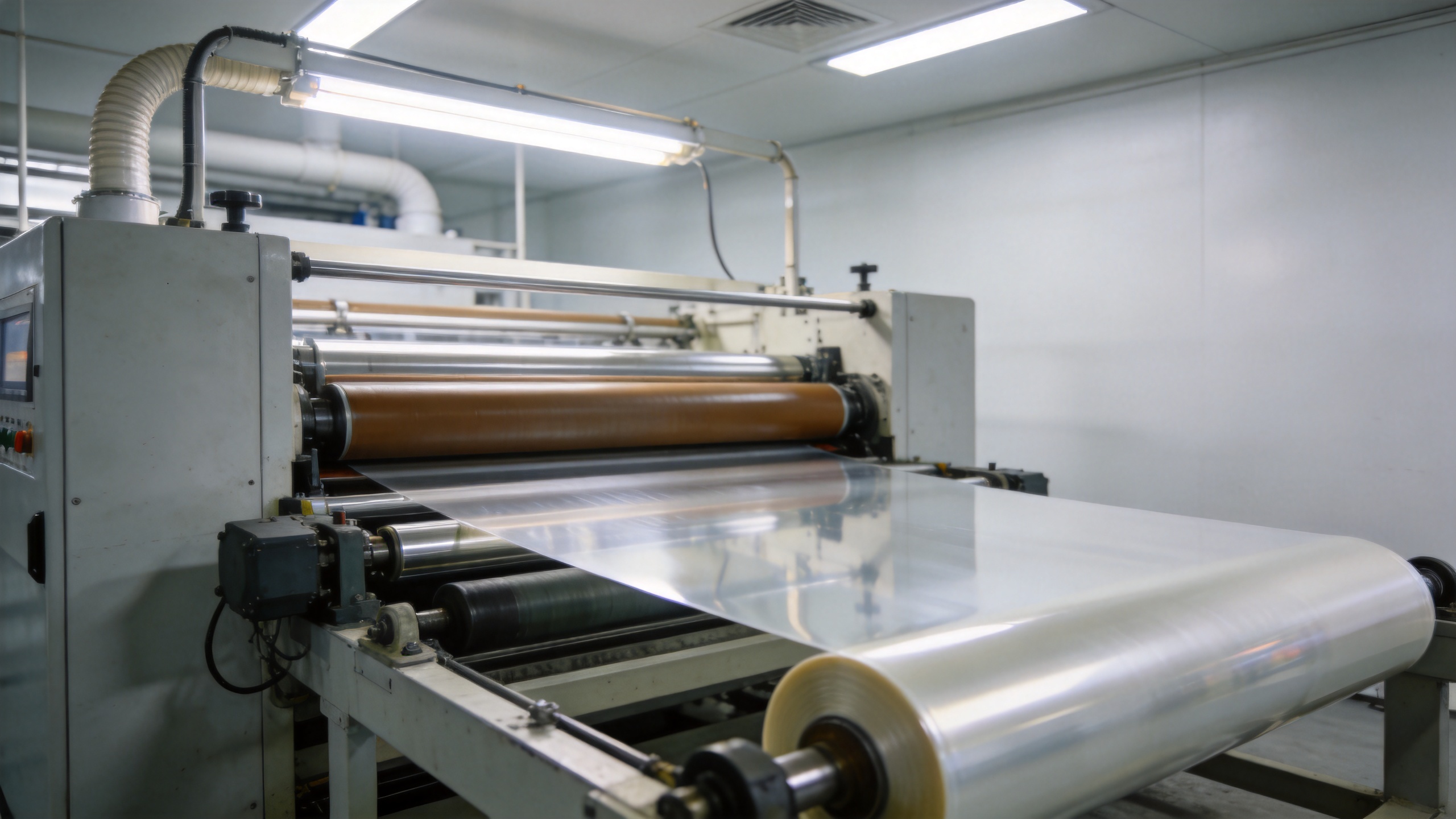
The most reliable indicator of batch-to-batch consistency is whether the manufacturer controls the full production chain, from substrate preparation through precision coating and final packaging, all within their own facility. Manufacturers who handle their own precision coating lines and quality checkpoints at each production stage offer better control over their printing materials than those who outsource partial production and rebrand. Ask directly: what percentage of your production process is handled in-house?
Experienced procurement teams know from practice that a supplier's verbal commitment to consistency is worth little without evidence of process controls. Request documentation of their internal quality management procedures, not just the ISO certificate number.
2. OEM and Customization Flexibility — Beyond Width and Roll Length
True OEM capability for printing materials goes beyond dimensional adjustments. Substantive customization includes: coating formulation adjustments for specific ink systems (solvent, water-based, UV); surface finish modifications (gloss, matte, semi-gloss); adhesive layer tuning for specific application environments; and material thickness optimization for your clients' lamination or cutting equipment. Manufacturers with proprietary coating formulation R&D capabilities can address these requirements. Manufacturers that source pre-coated substrates from third parties usually cannot.
When evaluating OEM partners for printing materials, present them with a real scenario from your client base and ask what they can actually modify. The specificity of their answer tells you more than their product catalog.
3. Product Range Alignment with Your Application Portfolio
A common source of long-term procurement pain is working with a specialist manufacturer whose printing materials strengths cover only part of your application requirements. If your distribution network serves advertising fabricators, event signage companies, wedding and event photography studios, and label printing operations, then sourcing from a manufacturer whose product range spans precision laminating films, outdoor adhesive media, digital printing substrates, and DTF heat transfer films under one quality system reduces supplier management complexity and improves cross-product consistency.
4. Certifications and Market Compliance Readiness
International buyers often underestimate compliance requirements until the first shipment hits a problem. If your target markets include Europe or North America, your end buyers may require SGS test reports, RoHS compliance statements, MSDS/SDS documentation, or specific environmental certifications. Assess whether the manufacturer maintains these proactively or only generates documentation on demand per order. The practical difference matters at speed: a manufacturer with an ISO-certified quality management system and existing export market documentation can typically respond to compliance inquiries within a standard business cycle; others cannot.
5. Sample Process and Batch-to-Production Consistency for Printing Materials
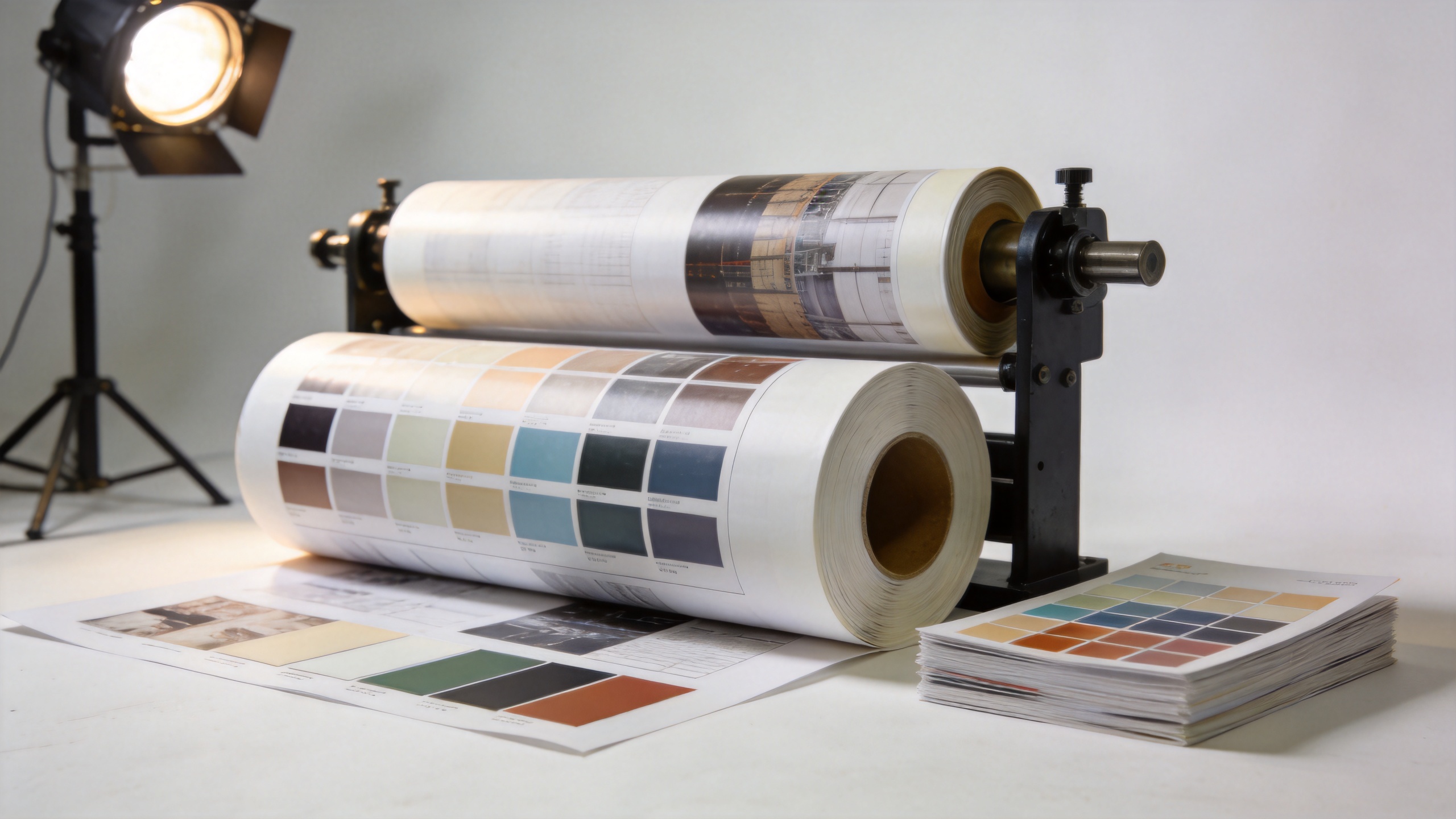
Industry experience shows that sample performance and mass production performance are not automatically the same for printing materials. Responsible OEM suppliers will explain what variation range you should expect between sample and production batches, what process controls they apply to minimize this variance, and what recourse exists when batch consistency falls outside acceptable ranges. Suppliers who cannot answer these questions specifically — or who default to reassurances rather than process descriptions — typically have less rigorous production controls.
A practical test: request samples from three consecutive production runs of the printing materials you plan to order, not a single carefully prepared sample batch. The variance in these samples reflects actual production consistency more accurately than any single demonstration run.
What to Ask Before Signing a Printing Materials OEM Agreement
Before committing to a printing materials OEM arrangement, confirm the following:
- What is the minimum order quantity for custom-specification printing materials versus standard catalog items?
- What is your standard lead time for custom formulations versus existing products, and what are realistic worst-case timelines during peak production periods?
- What quality documentation can you provide per batch, and in what format?
- What is your process when a delivered batch of printing materials fails to meet the agreed specification?
- Do you have existing export experience with my target markets, and can you provide references from distributors operating in those markets?
- What are the technical support resources available when my clients encounter compatibility issues with specific printer models or ink systems?
A manufacturer that answers these questions clearly and specifically — rather than pivoting to product brochure language, is signaling the kind of operational maturity that matters in a long-term printing materials OEM partnership.
Choosing a Printing Materials Manufacturer for the Long Term
The printing materials OEM market rewards buyers who move beyond initial price comparison toward a comprehensive evaluation of manufacturing capability, customization depth, compliance readiness, and documented batch consistency. The cost of misaligned OEM partnerships — in quality disputes, production delays, and re-qualification cycles — typically exceeds any initial savings from choosing on price alone.
For B2B buyers sourcing precision coating materials, laminating films, digital printing substrates, or DTF heat transfer films, the right manufacturer is one who can demonstrate not just product capability but operational reliability: consistent output, transparent quality processes, genuine customization capacity, and the export documentation infrastructure to serve your end markets without friction.
TREES, operated by Zhejiang Yueqianshu Digital Technology Co., Ltd., is a manufacturer of precision coating printing materials and digital printing media with an ISO-certified quality management system, full in-house production from substrate preparation through packaging, and OEM/ODM customization capability across laminating films, outdoor adhesive media, digital printing substrates, and DTF heat transfer films. The company exports to international markets and supports sample-based evaluation before bulk commitment.

 Hot News