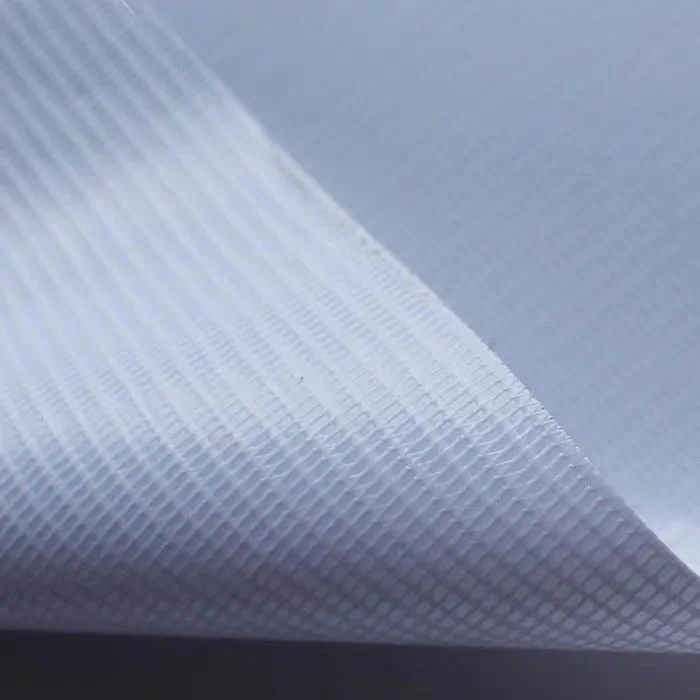
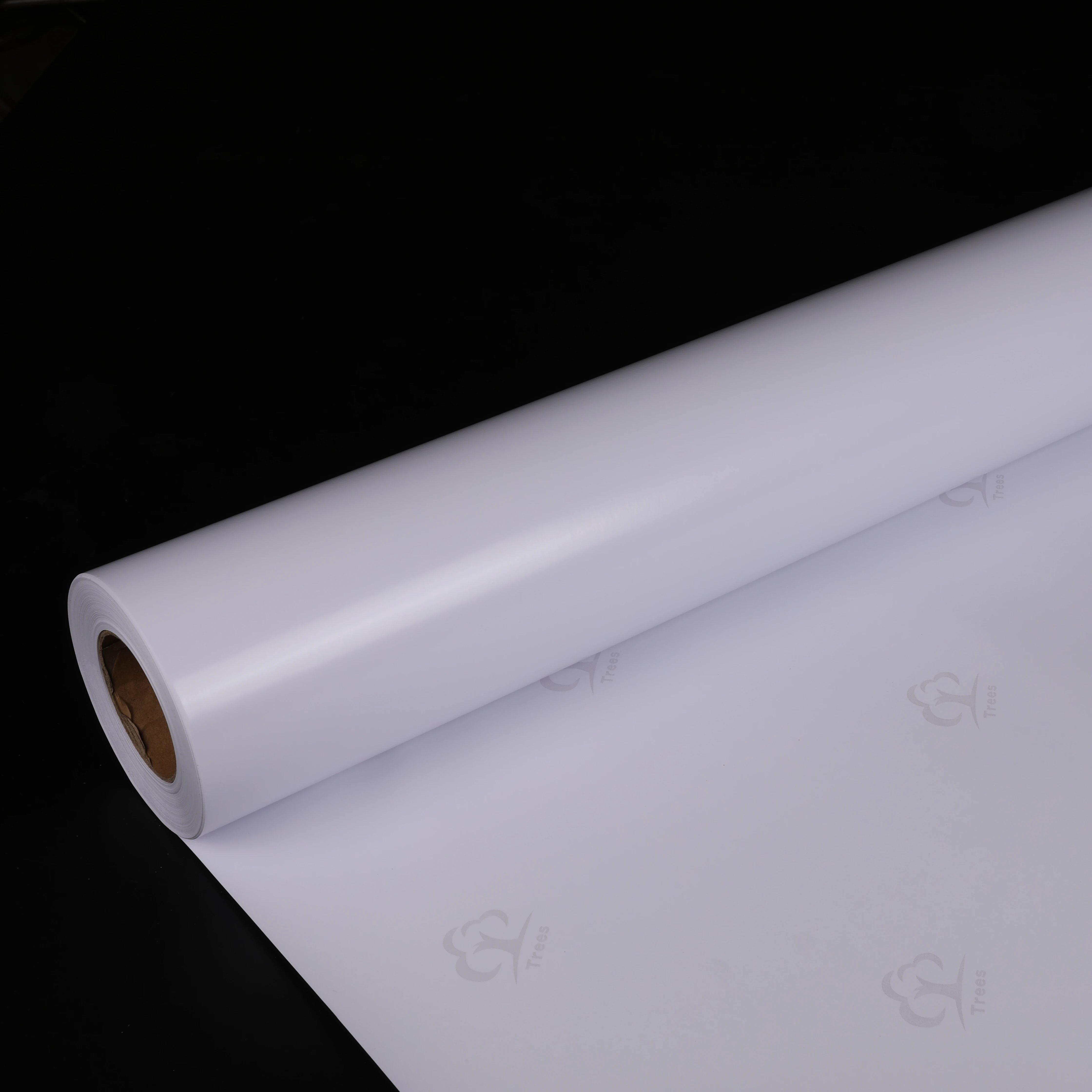
Color vinyl, sometimes called solid color vinyl, gets its uniform look because manufacturers mix pigments right into the polyvinyl chloride (PVC) when they're extruding it. What this means is the color runs all the way through the material, so there's no risk of the surface fading if it gets scratched or exposed to sunlight over time. Printable vinyl works differently though. It starts off as either clear or white PVC and then needs an extra coating applied before it can take ink properly. This additional step makes production more complicated and actually creates new spots where things might go wrong during manufacturing.
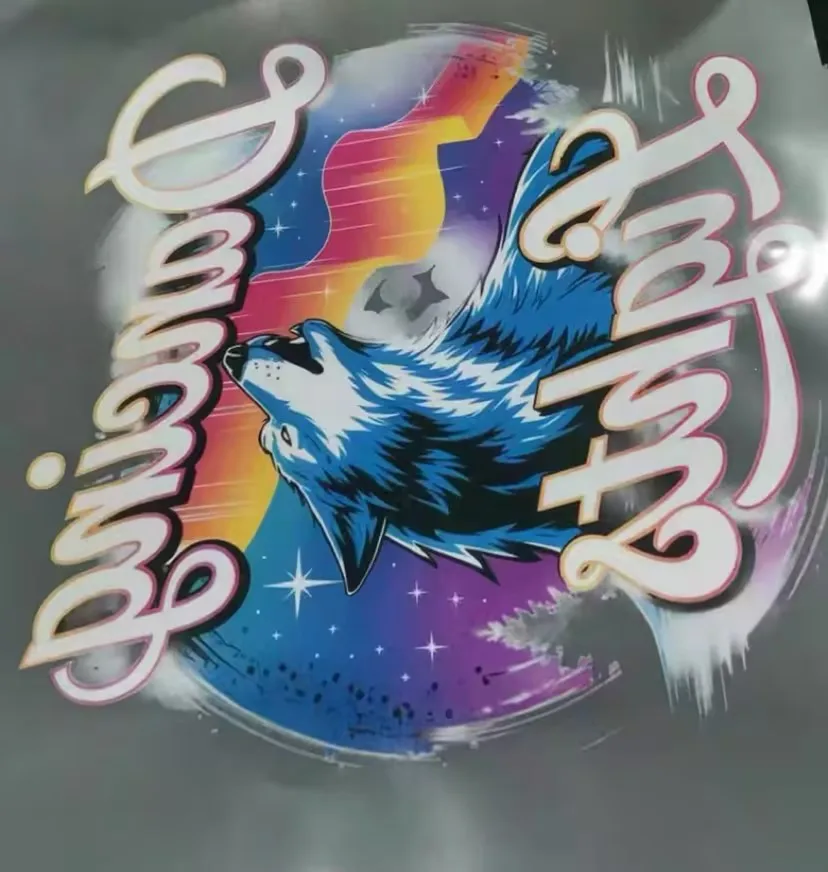
The way printable vinyl works depends heavily on special surface treatments because plain old PVC just doesn't take ink very well. To get around this problem, manufacturers put on all sorts of fancy coatings. Some have tiny holes for solvent based inks, others expand when heated for dye sublimation prints, and there are even those that harden under UV light specifically for flatbed digital printers. These treatments do work pretty well but they come with their own issues. If not done right, the coatings might crack over time, fade quickly outside, or produce prints that look different from one batch to another. That's where color vinyl stands out completely. There's absolutely no need for any kind of coating here, and best part? No actual printing process at all required.
Color vinyl works really well on flat, rigid materials such as control panels, signs for buildings, and internal brand displays. The main advantage? It saves money while lasting longer than many other options. Since the color is already built into the material itself, there's no need for printing processes, buying extra inks, or worrying about alignment issues that can slow things down. Some shops report cutting their production time almost in half compared to what they used to spend on printable materials. Plus, the colors stay vibrant without fading under sunlight exposure, and won't peel off or lift at the edges even after years of wear and tear in busy areas or factories. For anyone needing strong, solid color sections or wanting to mark property with something that stands up to daily use on stable surfaces, color vinyl remains both tough enough and budget friendly when looking at all the options available today.
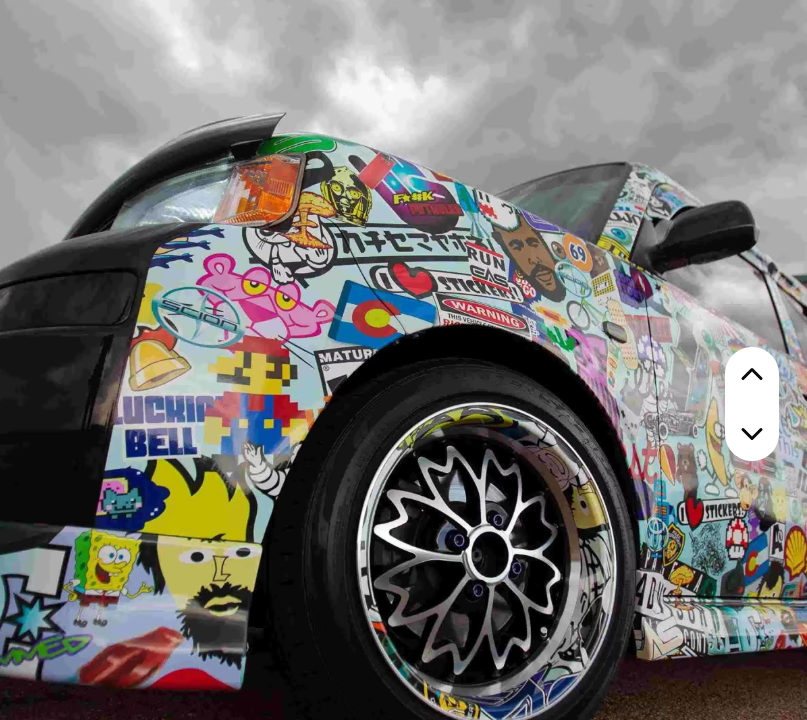
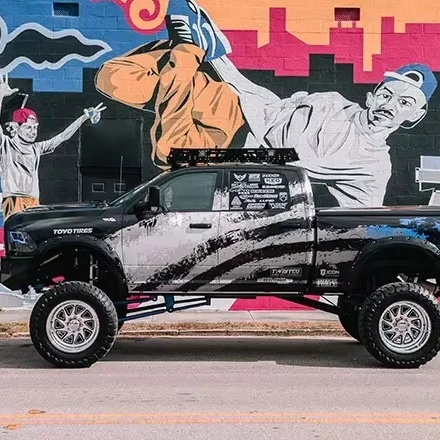
When it comes to wrapping vehicles, creating displays for curved kiosks, covering textured building exteriors, or adding graphics to 3D products, printable vinyl especially in cast form is pretty much essential. What makes cast vinyl so special? During manufacturing, the material gets stretched at a molecular level which gives it amazing stretch properties (sometimes over 150% elongation) and good memory recovery. Installers love working with this stuff because they can actually stretch, move around, and even heat shrink the film across complex shapes without worrying about cracks or peeling. Think about those tricky spots like door handles, wheel wells, or panels with lots of rivets. The adhesive on cast vinyl sticks well to rough or uneven surfaces too. Plus, the printable surface produces really sharp images that look almost photographic. If someone needs detailed graphics on anything that isn't flat, there's really nothing else out there that works as well as printable vinyl does.
Colored vinyl stands out for lasting durability in outdoor business settings because it has UV inhibitors and thermal stabilizers built right into the PVC material itself rather than just painted on top. The way these protective elements work from within makes a big difference compared to products where protection is only applied to the surface. How long the material lasts really depends on what kind of vinyl we're talking about and how thick it is. For regular colored vinyl used in things like vehicle decals, most people see it holding up outdoors for around three to six years. But when we get to higher quality options like premium calendered or laminated architectural grade vinyl (the stuff often found in safety signs and building wraps), these materials can last well over fifteen years. Some installations even stick around for thirty years or more if they're placed somewhere protected from constant wear and tear.
Three interdependent factors govern its endurance:
Wood, paper, and those coated composite materials tend to break down right at the spot where the base material meets the protective coating. Color vinyl doesn't have this problem because it's made consistently throughout, so it performs reliably from the moment it's installed all the way until it reaches the end of its useful life. When we're talking about important outdoor applications where getting maintenance crews out there is tough or replacing damaged materials would cost too much money think about things like safety signs that need to meet OSHA requirements, directional signs for public transportation systems, or even frames around solar panels built into buildings premium quality color vinyl stands out. It delivers proven durability that actually matches industry standards, making it a smart choice for these demanding situations.
Color vinyl incorporates pigments into the PVC material, ensuring the color runs throughout, making it resistant to fading. Printable vinyl, however, requires an additional coating to accept ink and is initially produced as clear or white PVC.
Printable vinyl needs special coatings because untreated PVC does not accept ink efficiently. These coatings help the vinyl accept various types of ink, such as solvent-based or UV-curable inks.
Color vinyl is more suitable for flat, rigid surfaces due to its durability and cost-effectiveness. It doesn't require post-production printing or inks and withstands environmental conditions well.
Cast printable vinyl offers enhanced flexibility and memory recovery, allowing it to adapt to complex shapes and curves without cracking or peeling. It's ideal for vehicle wraps and complex surfaces due to these properties.
Copyright © Zhejiang Yueqianshu Digital Technology Co., Ltd. - Privacy policy
 EN
EN
 Hot News