Understanding material specifications is critical for optimizing PVC banner performance. Grams per Square Meter (GSM) directly correlates with durability: heavier materials withstand environmental stress more effectively but require careful handling and installation planning.
Selecting between 440gsm and 510gsm involves trade-offs across three key factors:
| Attribute | 440gsm PVC | 510gsm PVC | Practical Implication |
|---|---|---|---|
| Rigidity | Moderate flexibility | High rigidity | 510gsm resists creasing in transit |
| Wind Resistance | 15–20% less wind load capacity | ASTM D3776-certified strength | 510gsm survives 40+ mph gusts |
| Handling Efficiency | 18% faster installation | Requires reinforced hemming | 440gsm ideal for short-term event setups |
Thinner 440gsm banners offer logistical advantages for temporary installations, while 510gsm provides structural integrity for long-term outdoor use where wind exposure is a concern.
Combining adequate GSM with UV inhibitors significantly extends outdoor service life. Field data from high-UV climates shows:
UV stabilization adds critical photochemical resistance, complementing GSM’s mechanical protection for maximum outdoor retention.
Finding the right ink for printing on PVC banners means weighing several factors like how well it sticks, how fast it dries during production runs, and how long it lasts after installation. Eco solvent inks are pretty decent when it comes to sticking to surfaces, maybe around a 3 out of 5 rating, but they take anywhere from 8 to 12 hours to fully dry. They just don't stand up very well against scratches or abrasions though. If stronger bonding is needed, solvent based options work better at about 4 out of 5 for adhesion while drying much quicker between 4 and 6 hours. The downside? These kinds of inks release volatile organic compounds into the air during printing processes. UV curable inks are great for resisting scratches and will be completely cured almost instantly once exposed to ultraviolet light. However these need special equipment to print properly and tend to bond less effectively on flexible PVC materials scoring around 3 out of 5 there. Latex inks might be worth considering too since they stick extremely well with perfect 5 out of 5 adhesion scores and handle scratches reasonably well. Plus they dry within 2 to 4 hours without putting harmful substances into the environment during application.
| Ink Type | Adhesion (1-5) | Cure Time | Scratch Resistance |
|---|---|---|---|
| Eco-Solvent | 3 | 8–12 hours | Low |
| Solvent | 4 | 4–6 hours | Moderate |
| UV-Curable | 3 | Instant | High |
| Latex | 5 | 2–4 hours | Moderate-High |
Using printer specific media profiles helps stop those pesky issues like ink bleeding through and edges curling on PVC banners. When working with the Latex 3600 series printers, it's best practice to lower the heater temps down to somewhere between 85 and 90 degrees Celsius. At the same time, bump up the vacuum pressure setting by about 15 percent which really cuts down on how much the material shrinks during printing. For folks using imagePROGRAF PRO-4100 models, make sure the tension rollers are set at no more than 2.5 Newtons per square meter. And don't forget to turn on those special micro-weave dot patterns that help fight against ink spread. According to our calibration testing, getting these profiles right can slash curl problems by around 70 percent and cut bleed defects down by roughly 62 percent. Before rolling out anything for mass production though, always run some quick checks using the ASTM F2033 scratch resistance standards first. This simple step saves headaches later when trying to fix flawed prints.
Frontlit PVC banners work best during the day because they reflect light really well on their surfaces. That makes these banners great choices for stores wanting to grab attention or events happening outside where there's no direct sunlight. The material is solid so colors pop out nicely, though they need extra lights put on them at night time. On the flip side, backlit versions have special see-through layers that spread light all over when placed inside proper boxes. These can be 40 to 60 percent brighter than regular ones, which explains why architects love them for building displays and museums prefer them indoors. When setting up at trade shows, most professionals go for backlit options around 500 to 700 lux brightness since it helps make sure everyone can actually read what's printed despite whatever lights are already in the hall.
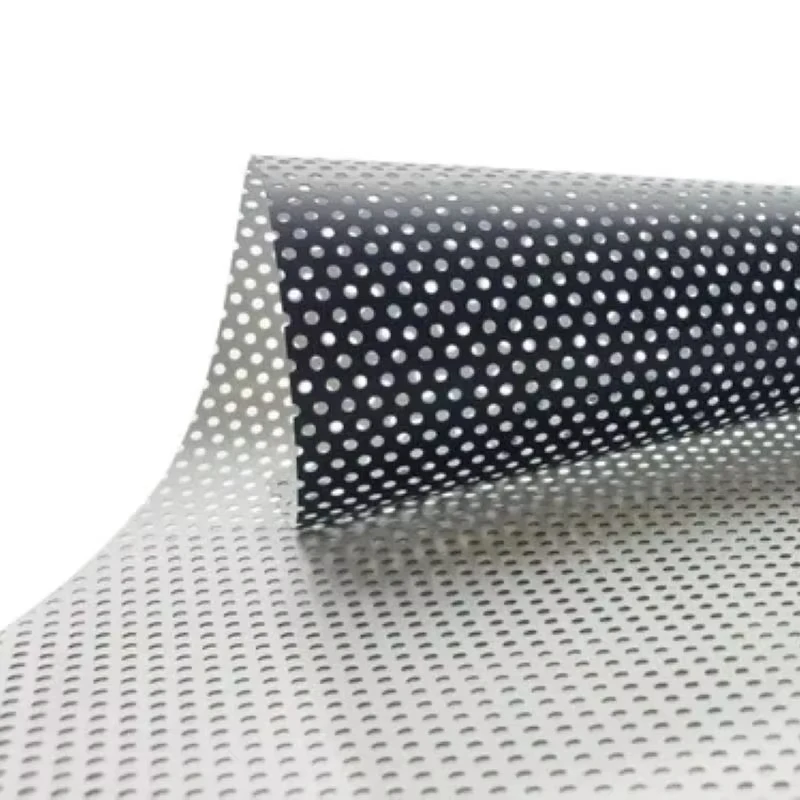
PVC mesh banners help reduce wind pressure thanks to their carefully designed holes. The common 70% open/30% closed pattern cuts down wind force by around 60% when compared to regular solid vinyl banners. These materials are built tough enough to handle serious stress, meeting the ASTM D3776 standard which requires at least 200 Newtons per square centimeter tensile strength. That kind of durability makes them ideal for things like construction sites where heavy winds might otherwise tear through standard materials. For proper installation on scaffolding systems, workers should go with 18 ounces per square yard mesh fabric. Make sure the edges are reinforced and look for those rust resistant grommets placed no more than 24 inches apart. This setup follows the ANSI/ASSE A10.8 guidelines specifically created for areas prone to strong gusts of wind.
Copyright © Zhejiang Yueqianshu Digital Technology Co., Ltd. - Privacy policy
 EN
EN
 Hot News