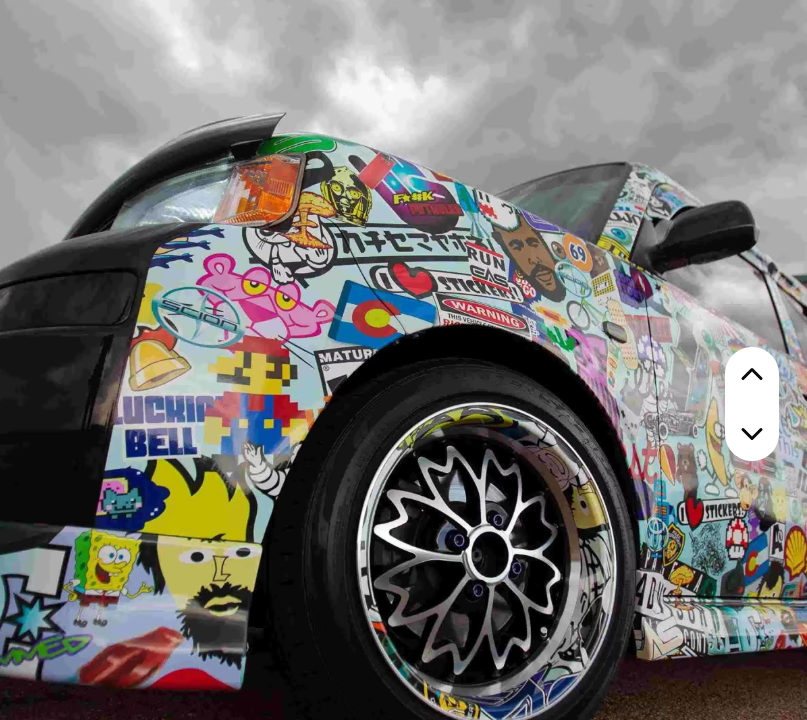
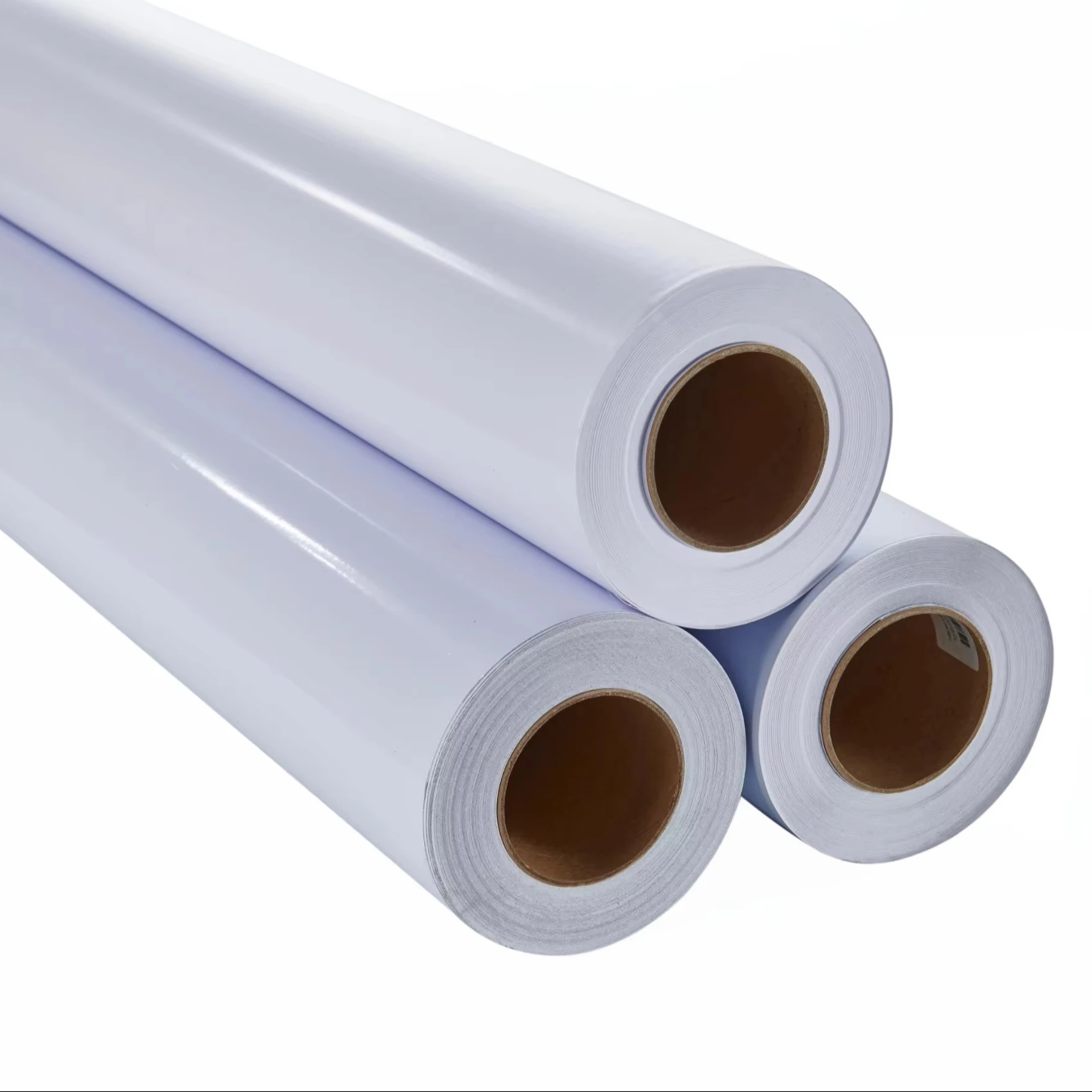
Decorative and advertising window films serve fundamentally different purposes—reflected in how they manage light, visibility, and privacy. Printable window decoration film diffuses incoming light while preserving outward views and enhancing visual privacy, making it ideal for offices, healthcare facilities, and collaborative workspaces seeking a balanced, glare-reduced ambiance. In contrast, advertising films—especially perforated types—optimize external message delivery: they appear as bold, high-impact graphics from the street while allowing occupants to see out. This comes with trade-offs: decorative films typically transmit 70–90% of natural light (depending on opacity), whereas perforated advertising films average 30–50% transmission and may compromise interior brightness to prioritize branding clarity. Durability also diverges—retail-facing advertising films use thicker laminates (3–5 mil) for abrasion resistance, while decorative films emphasize UV stability and scratch resistance over sheer mechanical toughness.
Both film categories rely on UV inhibitors to prevent fading, but their real-world resilience depends heavily on substrate quality, adhesive performance, and installation precision. Polyester-based decorative films maintain color fidelity and surface integrity for 5–7 years under typical indoor or shaded exposure. Advertising films, however, face harsher conditions—intense solar loading, thermal cycling, frequent cleaning, and physical contact in storefronts and transit hubs. Their thicker construction helps, yet perforated variants are especially vulnerable to edge lifting or bubbling if low-grade adhesives degrade under humidity or temperature fluctuations. Crucially, neither type achieves its rated lifespan without professional installation: misalignment, trapped moisture, or improper surface prep can cut effective service life by up to 60%, per the International Window Film Association’s 2024 Field Performance Review.
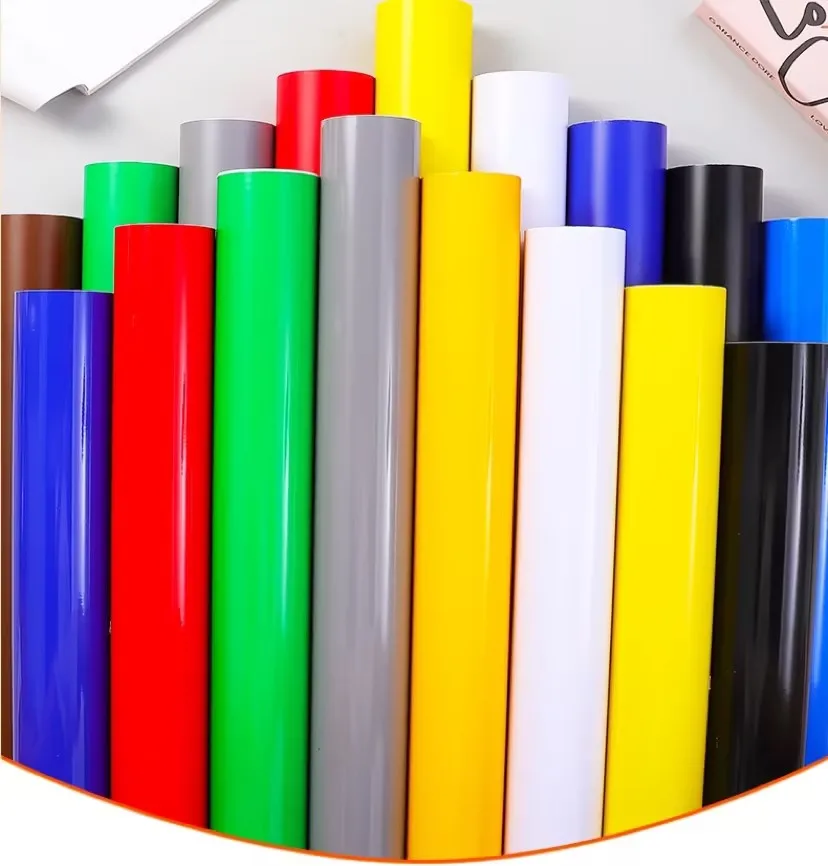
Printable window decoration film enables non-commercial, atmosphere-first design—transforming glass into expressive architectural elements without overt branding. Architects and interior designers use it to apply custom patterns—from botanical motifs and abstract gradients to precise frosted etchings—directly onto existing glazing. Unlike static decals or etched glass, it offers full customization while maintaining 70–90% light transmission and visual continuity. Leading commercial design firms report 89% client satisfaction when deploying these films to refresh aging spaces cost-effectively (2024 Commercial Design Report). Applications range from calming, semi-opaque treatments in healthcare waiting areas to vibrant, textured overlays in coworking lobbies—each selected for emotional resonance rather than promotional intent.
Modern decorative films integrate seamlessly across complex substrates—including curved glass, structural fins, and insulated units—expanding design flexibility without compromising performance. Over 200 standardized patterns (e.g., reeds, crystals, organic flows) are available alongside fully bespoke digital prints, enabling precise alignment with broader material palettes and spatial narratives. Frosted gradients provide privacy in conference rooms while harmonizing with adjacent millwork; tonal matte films reduce glare in sun-drenched atriums without dimming interiors. A 2023 AEC study found that facilities using coordinated film designs reduced reliance on artificial lighting by 42%. Material synergy is intentional: matte-finish films complement raw concrete and timber, while iridescent or dichroic options elevate metallic fixtures—creating environments where aesthetics and human-centered function cohere.
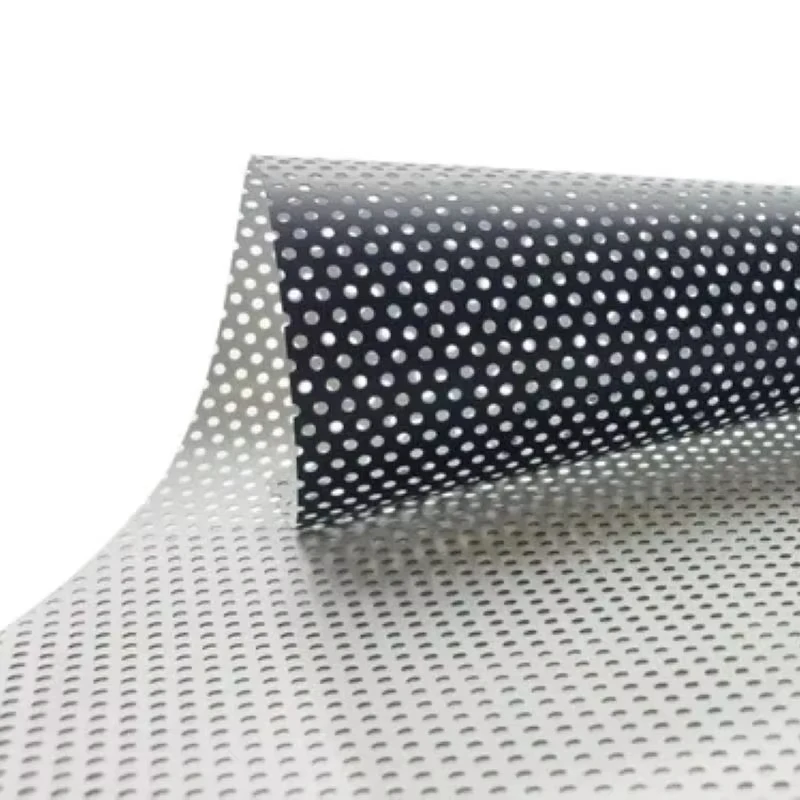
Perforated and opaque advertising films serve distinct strategic roles based on visibility priorities and messaging goals. Perforated films—featuring micro-perforations (typically 1–1.5 mm diameter)—appear solid from the exterior while permitting 70–80% outward visibility, making them optimal for daylight-dependent retail fronts and transit shelters (2024 Retail Visual Study). Opaque films deliver richer color saturation, higher contrast, and crisper detail—ideal for short-term promotions, event signage, or locations where viewer perspective is controlled. Behavioral data shows perforated films sustain 30% longer dwell time among pedestrians, while opaque films drive 18% more immediate foot traffic through high-impact messaging (2025 Visual Merchandising Report). Crucially, legibility dictates effectiveness: high-contrast messages limited to seven words achieve 92% readability versus 67% for cluttered layouts—confirming that simplicity trumps density in outdoor visual communication.
| Film Type | Visibility Trade-off | Ideal Use Case | Conversion Lift |
|---|---|---|---|
| Perforated | Partial outward view | Daylight-dependent spaces | +22% recall |
| Opaque | Full graphic coverage | High-impact promotions | +35% engagement |
Strategic placement turns storefront windows into persistent, high-yield brand touchpoints. Top-performing retailers rotate seasonal campaigns every 45–60 days—not just for novelty, but to align visuals with purchasing cycles and emotional context. Holiday-specific films, for instance, generate 40% higher engagement than generic messaging (2024 Foot Traffic Analysis). When deploying logos, eye-level positioning near entry points increases brand recognition by 63% compared to overhead or floor-level mounting. Layering window films with interior displays—such as matching color schemes or sequential storytelling—creates a cohesive customer journey from curb appeal to conversion. For time-sensitive offers, integrating subtle countdown timers directly into the printed design drives urgency without sacrificing visual polish or readability.
Q: What are the primary differences between decorative and advertising window films?
A: Decorative films focus on light transmission, privacy, and aesthetics, while advertising films prioritize external message delivery and branding.
Q: How durable are these films?
A: Decorative films typically last 5–7 years indoors, while advertising films face harsher conditions and require proper installation to maximize lifespan.
Q: Can decorative films be customized?
A: Yes, decorative films offer full customization, with patterns and styles available for architectural and interior design purposes.
Q: What are the ideal applications for perforated and opaque advertising films?
A: Perforated films work best in daylight-dependent areas, while opaque films are ideal for bold, high-impact promotions.
Q: How can window films boost retail campaigns?
A: Strategic placement and seasonal campaigns align films with purchasing cycles to improve engagement and elevate brand recognition.
Copyright © Zhejiang Yueqianshu Digital Technology Co., Ltd. - Privacy policy
 EN
EN
 Hot News