Blog Abstract: Selecting the correct substrate for large-format outdoor advertising is critical to campaign performance, longevity, and overall return on investment. Unprotected or low-grade vinyl rapidly succumb to solar radiation, rain, wind load fatigue, and thermal fluctuations. This guide breaks down the structural mechanics of printable outdoor vinyl—including material density (from 13 oz to 18 oz and mesh configurations), UV stabilization methods, print engine compatibility, and finishing protocols—to help print service providers and brand managers execute durable, high-impact outdoor campaigns.
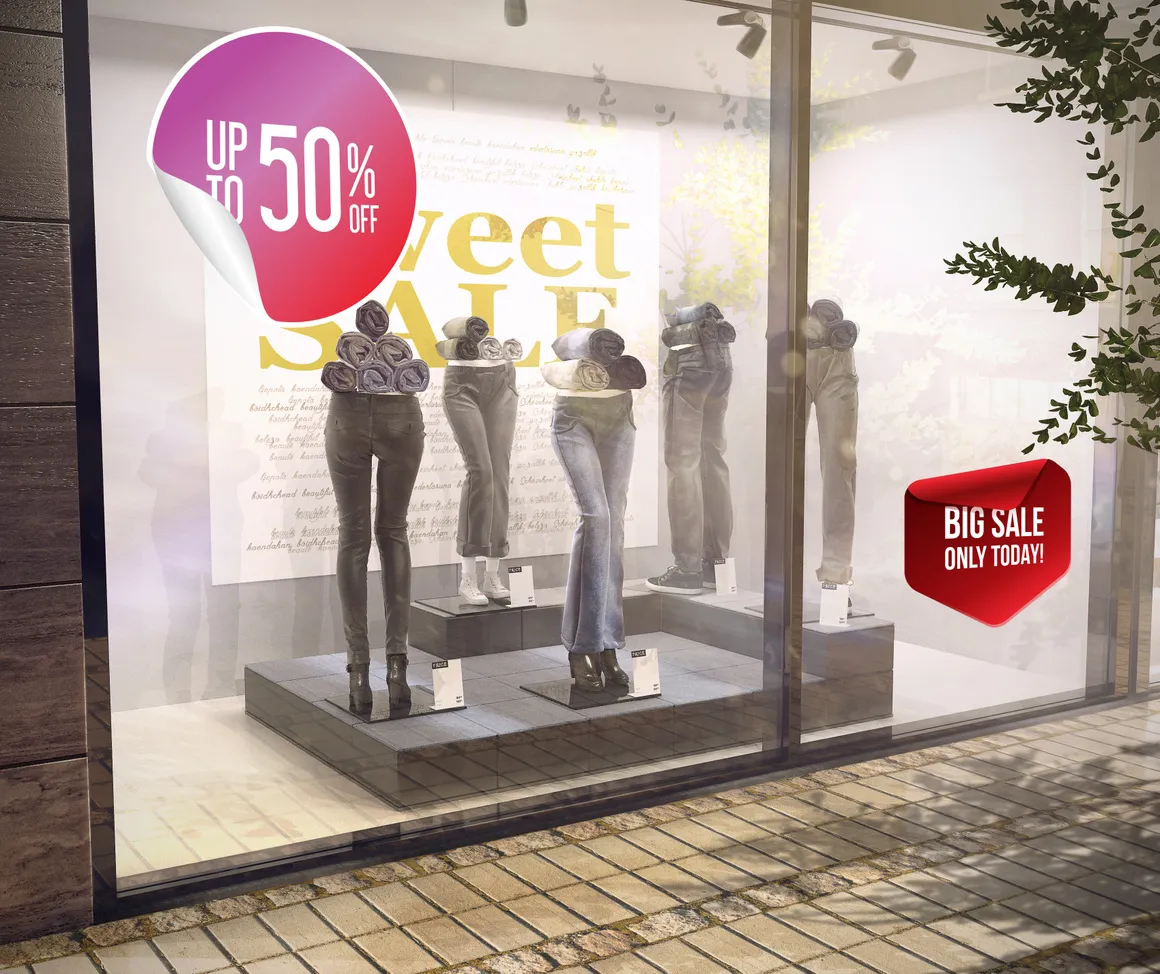
Outdoor display environments subject advertising graphics to continuous environmental degradation. Standard indoor paper, film, or low-density synthetic substrates cannot withstand prolonged exposure to direct solar UV rays, heavy precipitation, wind pressure, and wide temperature swings without failing.
Tensile and Tear Resistance: High-density polyester inner scrim structures provide the structural integrity required to span large surface areas without stretching or tearing.
Environmental Impermeability: Water-resistant coatings prevent liquid absorption, delamination, edge wicking, and microbial growth.
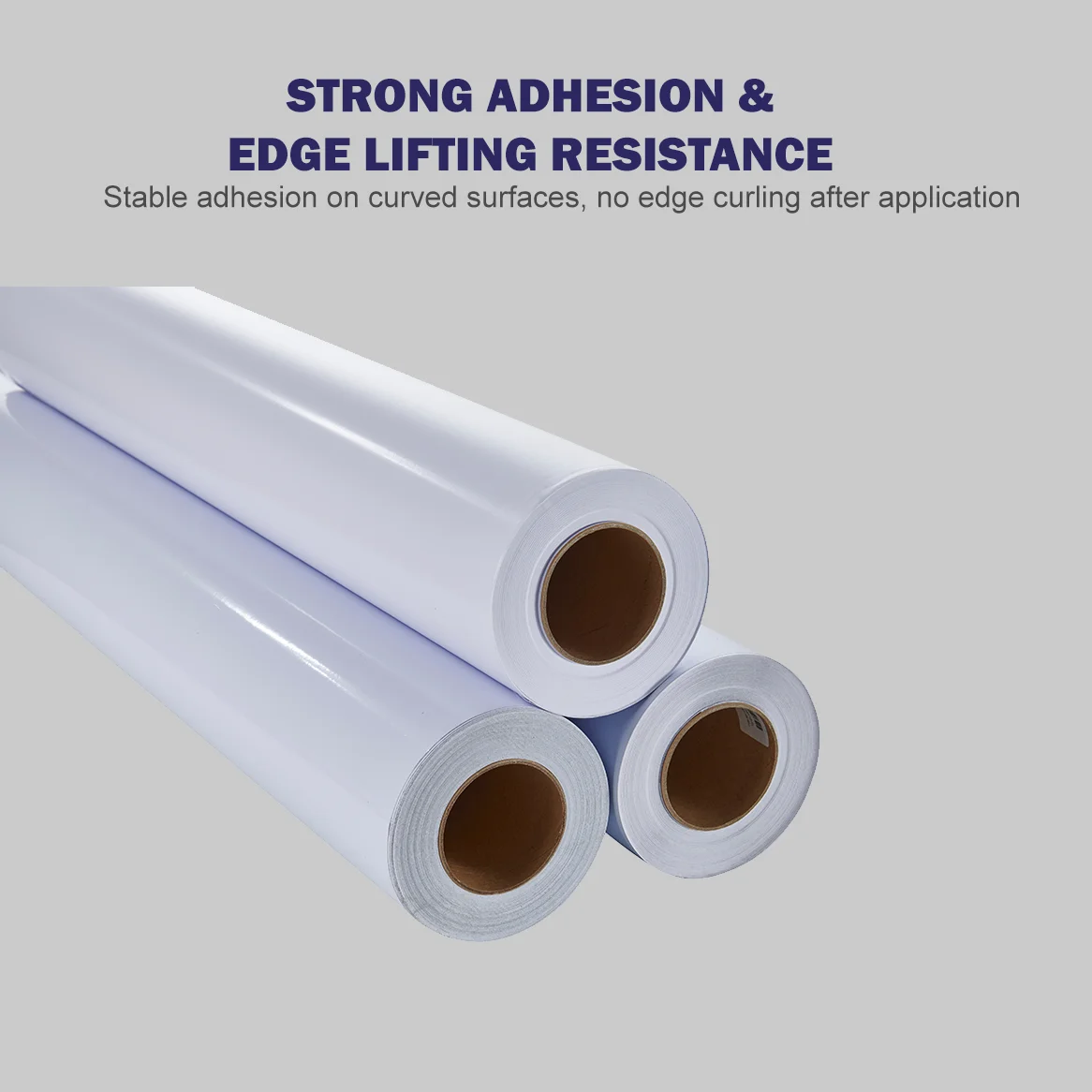
Flexible Substrate Properties: High material flexibility enables seamless application across contoured, curved, or irregular architectural and vehicle surfaces.
Extended Service Life: High-grade printable outdoor vinyl formulations provide an operational service life ranging from 3 to 7 years, depending on exposure conditions and lamination.
Choosing the appropriate outdoor vinyl requires matching the material weight (measured in ounces per square yard) and construction type to the environmental conditions of the installation site.
| Substrate Type | Weight / Specification | Structural Features | Ideal Application |
| Standard Frontlit Vinyl | 13 oz / sq. yd. | Light-to-medium scrim reinforcement; balanced flexibility | Short-to-medium-term banners, trade show outdoor displays, event signage |
| Heavy-Duty Frontlit Vinyl | 18 oz to 22 oz / sq. yd. | High-density polyester scrim; superior tear/wind resistance | Long-term billboards, street pole banners, high-wind building displays |
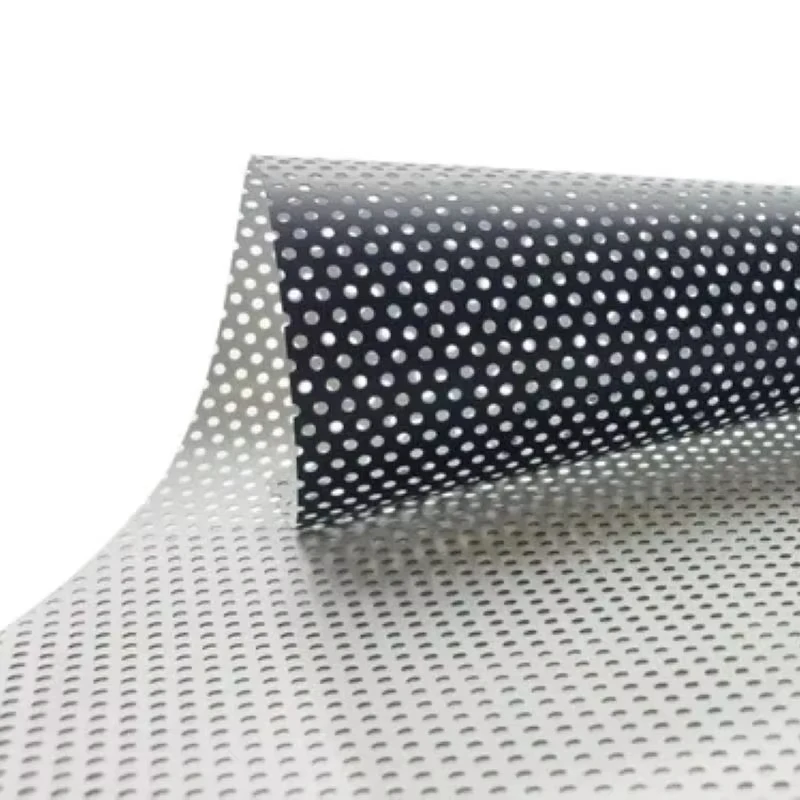
| Mesh Vinyl | ~9 oz to 12 oz (70/30 or 60/40 airflow ratio) | Perforated structure; reduces wind load on support structures | Construction fence wraps, building wraps, elevated high-wind sites |
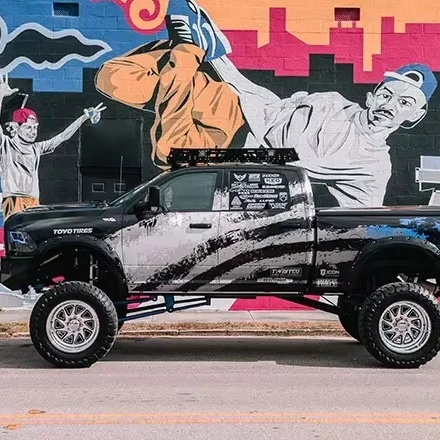
| Cast / Calendered Film | 2.0 to 4.0 mil thickness | Premium dimensional stability; high conformability | Vehicle fleet wraps, curved architectural surfaces, long-term decals |
Ultraviolet (UV) radiation is the primary driver of graphic failure in outdoor environments. Solar radiation breaks down the chemical bonds within the polymer film and print inks—a process known as photodegradation.
UV Radiation Impact: Unprotected exposure leads to molecular chain scission, causing substrate embrittlement, color fading, and surface cracking.
UV Inhibitors (HALS): High-performance vinyl films integrate Hindered Amine Light Stabilizers directly into the formulation to absorb radiation and preserve the substrate.
Substrate UV Inhibitors: Prevent the film from becoming brittle or yellowing over time.
Protective Overlaminates: Applying a clear cast or calendered liquid/film overlaminate provides an additional barrier against UV degradation, abrasion from windborne debris, and chemical exposure (such as vehicle exhaust).
Achieving optimal ink adhesion, vibrancy, and longevity requires pairing the correct printing engine with an appropriately coated vinyl substrate.
Eco-Solvent Inks: Require a solvent-receptive coating that allows pigments to penetrate into the top layer for weather-resistant bonding.
Latex Inks: Require heat-tolerant substrates that maintain dimensional stability under high thermal curing temperatures.
UV-Curable Inks: Instantly cure on the substrate surface via UV polymerisation; perform exceptionally well on heavy-duty, dense vinyl films.
Reinforced Welded Hems: High-frequency or hot-air heat welding creates a double-layer perimeter that distributes wind load forces evenly across the banner.
Heavy-Duty Grommet Placement: Nickel or brass grommets set into reinforced hem corners prevent tear-out during high wind conditions.
Pole Pockets and Webbing: Distribute tension along the entire length of street-pole banners to prevent localized stress points and premature tearing.
Printable outdoor vinyl remains the industry standard for large-format outdoor advertising due to its durability, versatility, and cost-effectiveness. By selecting the correct material weight (such as 13 oz, 18 oz, or mesh), ensuring robust UV protection, matching ink chemistry, and enforcing proper edge finishing, print service providers can deliver outdoor graphics that remain vibrant, legible, and structurally sound throughout their planned campaign lifecycle.
Copyright © Zhejiang Yueqianshu Digital Technology Co., Ltd. - Privacy policy
 EN
EN
 Hot News