
 EN
EN
Gloss vs Matte Lamination Film: Which Should You Choose?
If you've spent time sourcing lamination film for advertising production, you've probably faced this question at some point: gloss or matte? On the surface, it sounds like a straightforward choice. In practice, getting it wrong can mean redoing a large batch of printed materials at real cost. I've seen this happen — and I've made the same mistake myself early on.
The good news is that once you understand how each finish behaves under real working conditions, the decision becomes a lot clearer. Let me walk you through the core differences, and more importantly, help you match the right type of lamination film to your actual production scenario.
Understanding Gloss Lamination Film
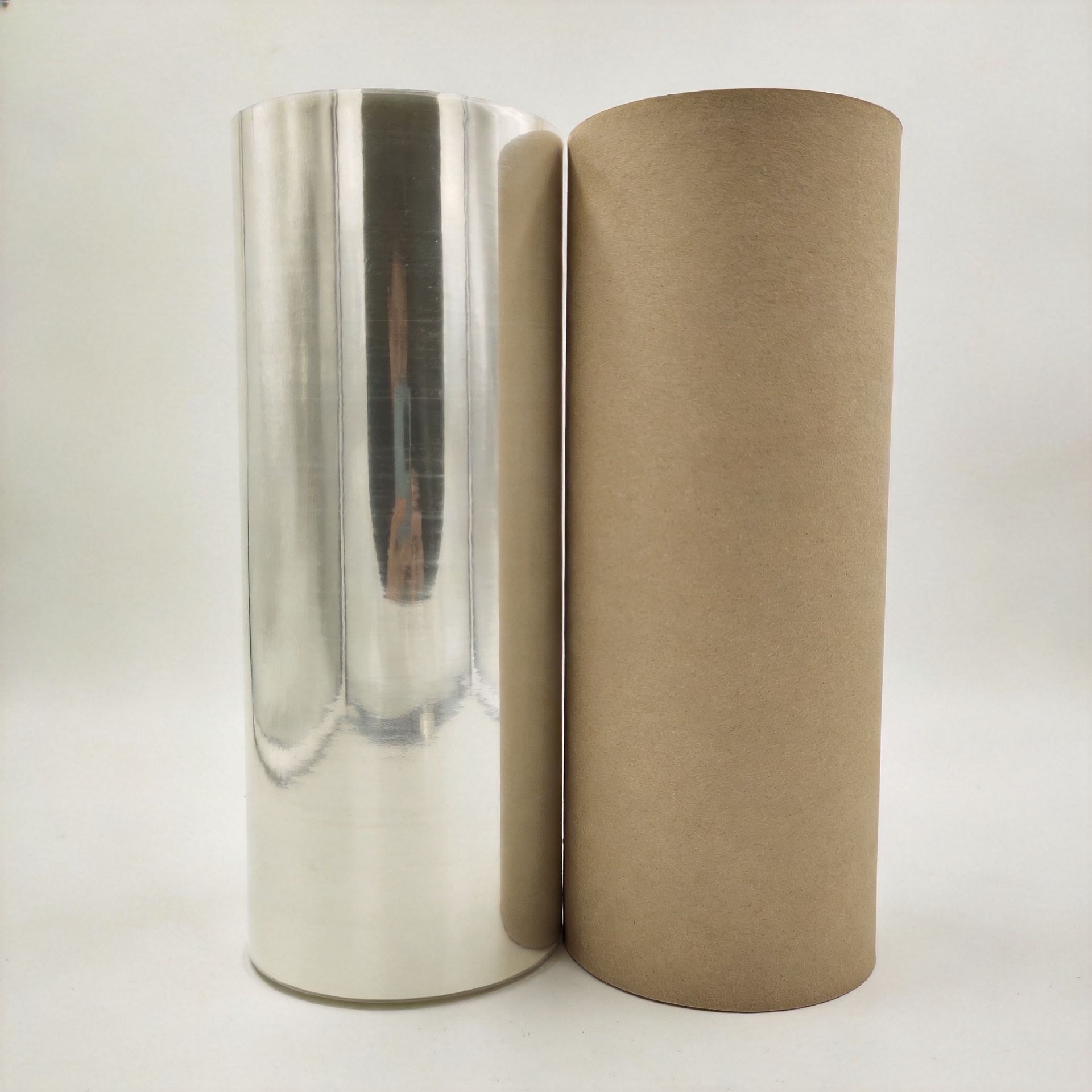
Gloss lamination film applies a highly reflective, transparent coating over printed materials. The result is that characteristic "shiny" look — colors appear more saturated, contrast is sharper, and the printed piece immediately draws attention. If you're producing retail point-of-sale displays, promotional posters, or product catalogs, gloss lamination is often the default choice precisely because of this visual impact.
From a durability standpoint, gloss lamination film provides strong protection against moisture, minor abrasion, and everyday handling. It's also relatively easy to wipe clean, which matters for materials that get picked up and put down repeatedly in a retail or trade show environment. Compared to matte alternatives, gloss film typically comes at a slightly lower cost per roll, which matters when you're running high volumes.
The trade-off? Under direct lighting — especially the kind you find in bright exhibition halls or outdoor environments — gloss surfaces can create glare. Text-heavy materials laminated with a gloss finish can become difficult to read at certain angles. This is not a dealbreaker, but it's a factor worth planning around.
Understanding Matte Lamination Film
Matte lamination film takes a different approach. Instead of reflecting light, it absorbs and diffuses it, creating a flat, non-reflective surface with a soft, velvety texture that feels noticeably different to the touch. The visual result is more subdued — colors are slightly softened, and the overall aesthetic reads as refined and premium.
This makes matte lamination film particularly well-suited for materials where readability matters more than visual pop: corporate brochures, luxury packaging, high-end event collateral, and any printed piece where the design relies on subtle color gradients rather than bold contrast. The non-glare surface also performs better in environments with mixed or overhead lighting.
The durability profile is slightly different from gloss. Matte film can show fingerprint marks more visibly on darker surfaces, though surface scuffs and scratches are actually less apparent than on gloss. For materials that will be handled extensively, this is worth factoring in.
Key Differences at a Glance
| Feature | Gloss Lamination Film | Matte Lamination Film |
|---|---|---|
| Surface appearance | Shiny, reflective | Flat, non-reflective |
| Color rendering | Enhanced saturation, high contrast | Softened tones, subtle contrast |
| Readability under light | Glare possible in bright environments | Consistent readability, anti-glare |
| Tactile quality | Smooth, slightly slippery | Soft, velvety feel |
| Durability | Strong, easy to clean | Good; scuffs less visible but shows fingerprints more |
| Relative cost | Generally lower | Slightly higher |
| Typical thickness | 1.5 mil – 3 mil | 1.5 mil – 3 mil |
Choosing by Application: A Practical Framework
Here's the part that most comparison guides skip: the right lamination film depends on how the printed material will actually be used, not just what it looks like in a studio sample. I've seen print buyers choose based on sample quality alone, only to find the finish performs differently at scale or in the field.
Ask yourself: where will this material be displayed or used? What's the lighting environment? Will it be handled repeatedly? Is visual impact or readability the priority?
- For trade show banners and exhibition displays: If the banner will be under direct spotlighting or bright hall lighting, matte lamination film reduces glare and keeps the design readable from a distance. If the goal is maximum color punch from across a floor, gloss may serve better.
- For retail POS and promotional posters: Gloss lamination film is usually the stronger choice here. The reflective finish amplifies color impact and is easier to maintain in a retail environment where materials are handled or cleaned regularly.
- For corporate brochures and high-end collateral: Matte lamination film signals a more premium, professional quality. The tactile finish reinforces brand perception in ways that gloss simply doesn't.
- For outdoor signage: Both finishes can work depending on the base material and mounting environment. Gloss films generally offer stronger moisture resistance for short-to-medium-term outdoor use; for longer exposure, the specific film construction matters more than finish type alone.
- For packaging with dark backgrounds: Be cautious with matte lamination on dark-colored packaging — fingerprint visibility can be an issue in consumer-facing applications. Gloss or a soft-touch alternative may work better.
What Procurement Buyers Often Overlook
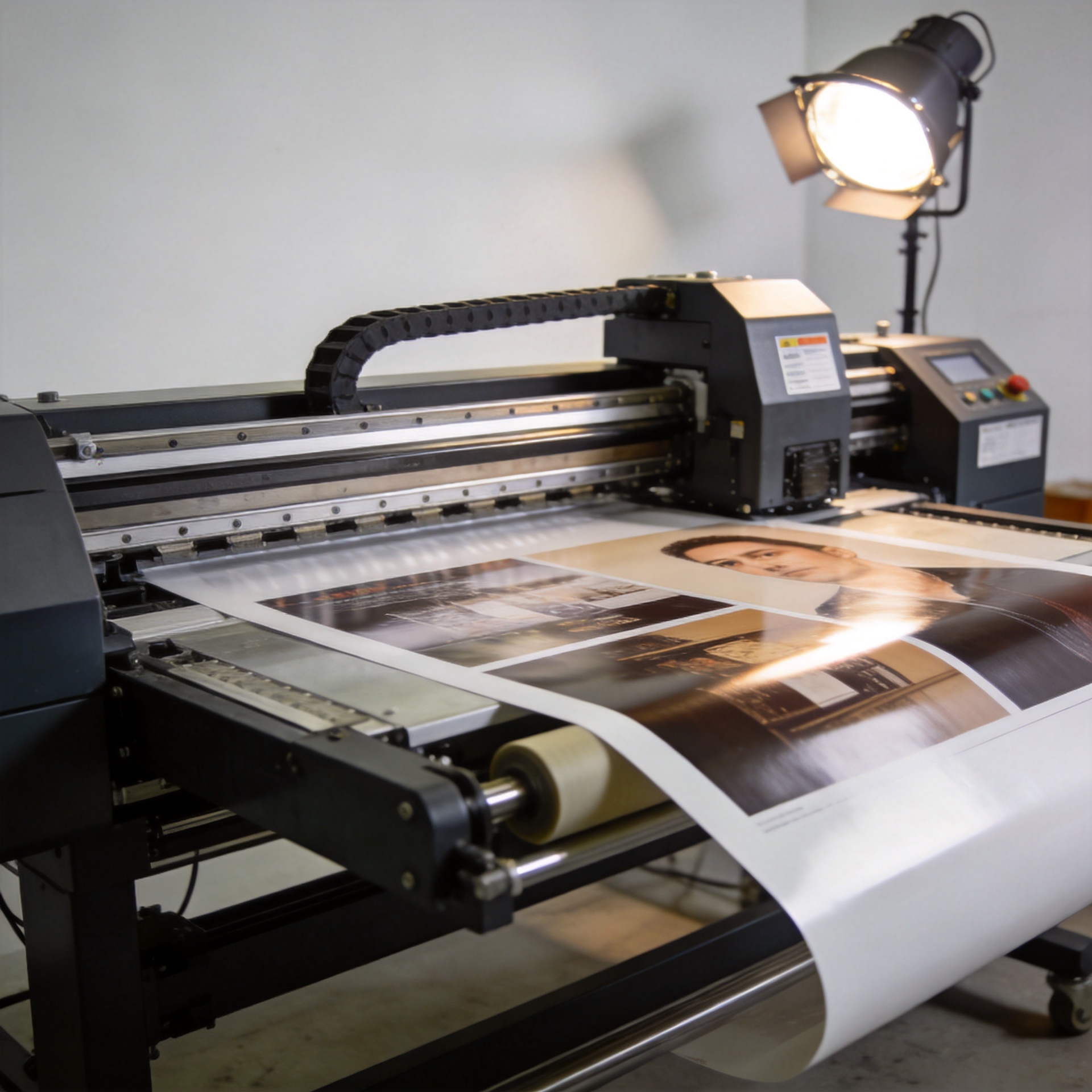
One thing I've learned from sourcing lamination film at scale: sample performance and batch performance don't consistently match. A gloss film that performs well on a 10-sheet test can show inconsistency in color clarity or adhesion when you're running full-width rolls across thousands of units. The same applies to matte — surface uniformity can vary between batches if the coating process isn't tightly controlled.
When evaluating suppliers, it's worth asking specifically about batch-to-batch consistency, not just the finish quality of the sample. A manufacturer with a precision coating production line and documented quality control processes is worth more in practice than one who can produce an impressive sample but struggles to replicate it reliably at commercial volume.
Coating uniformity is a foundational performance variable — it directly determines how consistently your printed colors render across a large format run, and whether the lamination bonds without bubbling or delamination at the edges. This matters whether you're choosing gloss or matte.
A Final Note on Decision-Making
Neither gloss nor matte lamination film is universally "better." If your primary application scenario involves high-visual-impact retail or promotional materials, gloss is usually the more practical and cost-efficient choice. If you're producing premium-positioned materials for professional environments or materials that prioritize readability over visual pop, matte will serve you better.
If you handle a range of print production types, it's worth keeping both in inventory. The decision comes down to matching the right lamination film to the specific print application — not defaulting to one finish out of habit.
When you're ready to evaluate options, look for a supplier who can demonstrate consistent coating quality across both finish types, not just present attractive samples. That consistency is ultimately what determines the reliability of your finished output.


 Hot News