
 EN
How to Choose Poster Paper for Advertising Displays
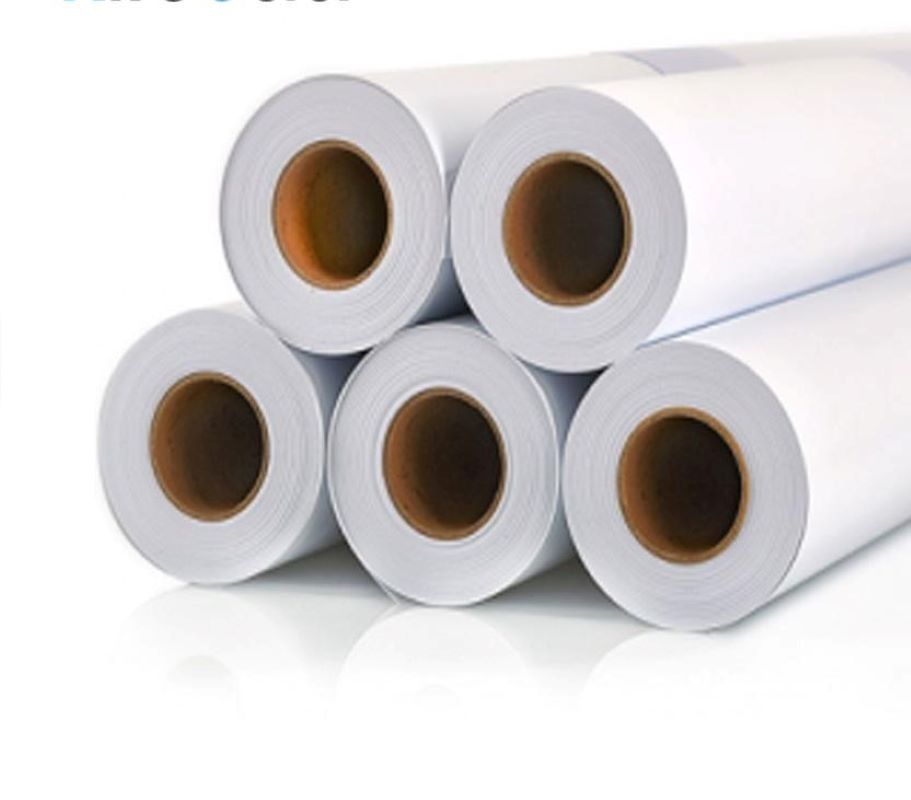
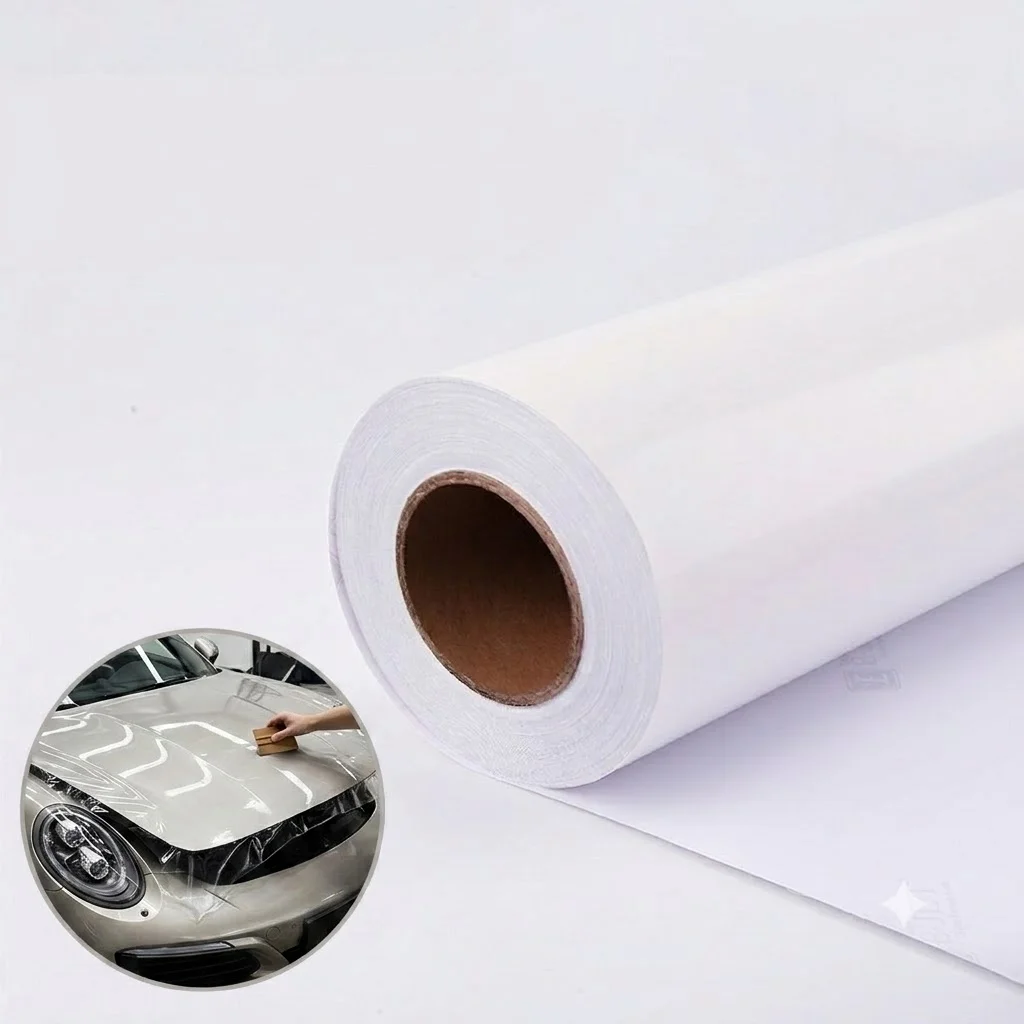
A display can look excellent in a proof and still fail after installation. The usual cause is not the artwork; it is a mismatch between the printable face, adhesive, surface, and campaign conditions. When sourcing oem self adhesive poster paper, start with the display job rather than a single specification such as weight or gloss.
For buyers managing repeat campaigns, the useful question is: what must this graphic do from print room to removal? A good choice holds cleanly on the intended surface, prints consistently on the available equipment, looks right at the viewing distance, and comes off in the way the project requires.
Start with the advertising display, not the roll
Define the installation before comparing samples. Self-adhesive poster media is often used on walls, doors, windows, and other flat display surfaces because it can be installed without separate mounting hardware. But those surfaces are not interchangeable. Painted walls, coated panels, glass, and low-energy plastics can respond very differently to the same adhesive.
- Indoor short-term campaigns: prioritize smooth application, visual finish, and clean removal where possible.
- Retail windows: confirm whether the graphic is read from one side or both, whether light transmission matters, and whether removal residue is acceptable.
- Semi-outdoor or outdoor displays: consider moisture, temperature swings, handling, and the expected display life before choosing the face stock and adhesive.
- High-turnover promotions: favor materials that can be applied reliably by the installation team without turning removal into a repair task.
The indoor-versus-outdoor distinction matters because durability and weather resistance become part of the material decision once the graphic leaves a controlled interior. If the job is short-term indoor signage, buying the highest outdoor specification may add cost without improving the result. Conversely, an indoor-grade choice should not be assumed suitable for a damp entrance or sun-exposed window.
Match the printable face to the visual goal
The printable face determines much of the first impression. A glossy surface can make high-contrast promotional artwork feel vivid, while a matte surface can reduce reflections under strong retail lighting. Neither is universally better. Think about where people stand, the direction of light, and whether the display is read up close or across an aisle.
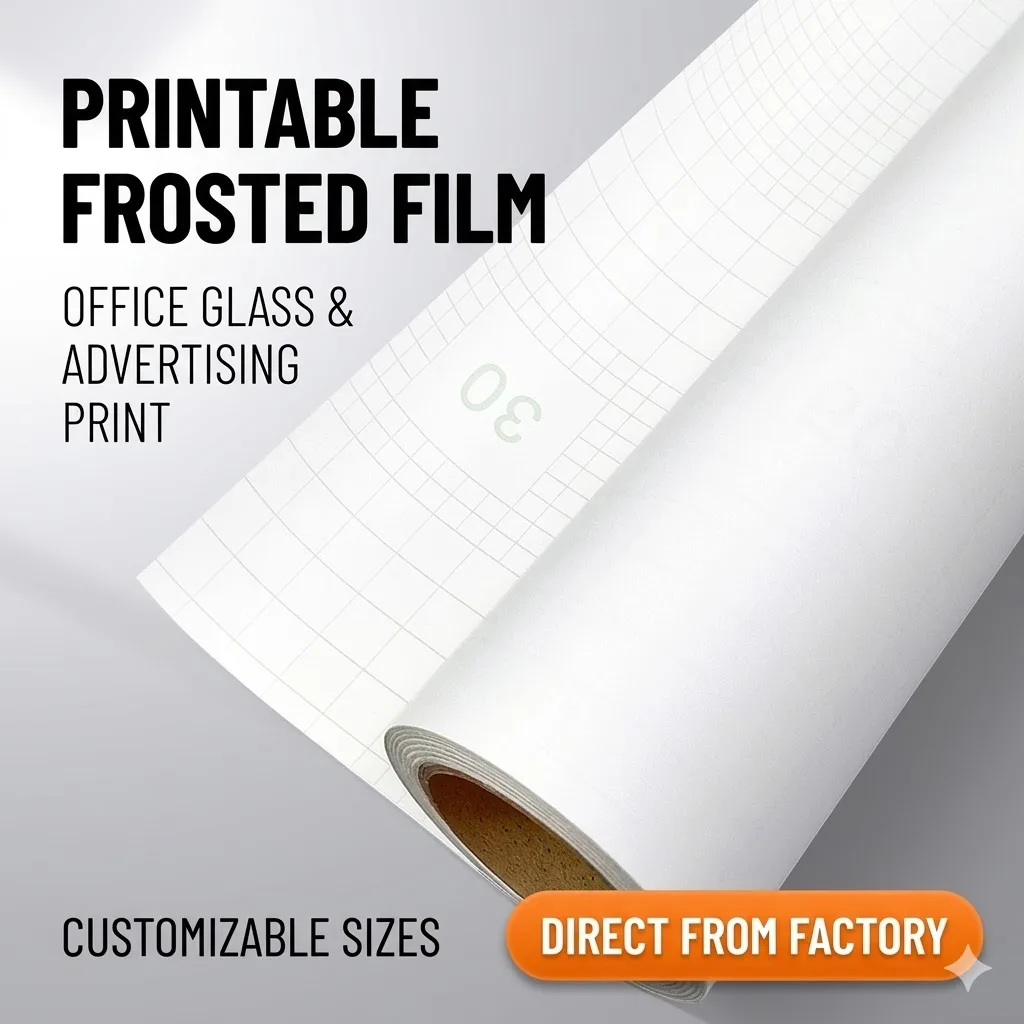
For oem self adhesive poster paper, request samples with the actual artwork or a representative test file. Large solid colors, fine text, skin tones, gradients, and barcode-like detail reveal issues that a simple logo test may miss. A sample should be checked after printing and after the adhesive has had time to settle on the real surface.
It is also worth separating surface appearance from material quality. A heavier or glossier sheet can feel more substantial, but it does not automatically provide better adhesion, opacity, or print compatibility. The practical target is a balanced construction that supports the image and the installation conditions.
Choose the adhesive by surface and removal plan
Adhesive selection is where many display projects become expensive. Permanent adhesion may suit a long-running graphic on a stable panel, while removable adhesion is often more appropriate for retail promotions, temporary wayfinding, or leased spaces. The right option depends on the substrate, temperature at installation, dwell time, and whether the display must be repositioned.
| Project requirement | What to verify before purchase |
|---|---|
| Clean removal | Test on the actual painted wall, glass, or panel for the planned display duration. |
| Strong hold | Check surface texture, cleaning method, installation temperature, and exposure to moisture. |
| Repositioning | Confirm whether the material is intended for adjustment during application and how that affects final bond strength. |
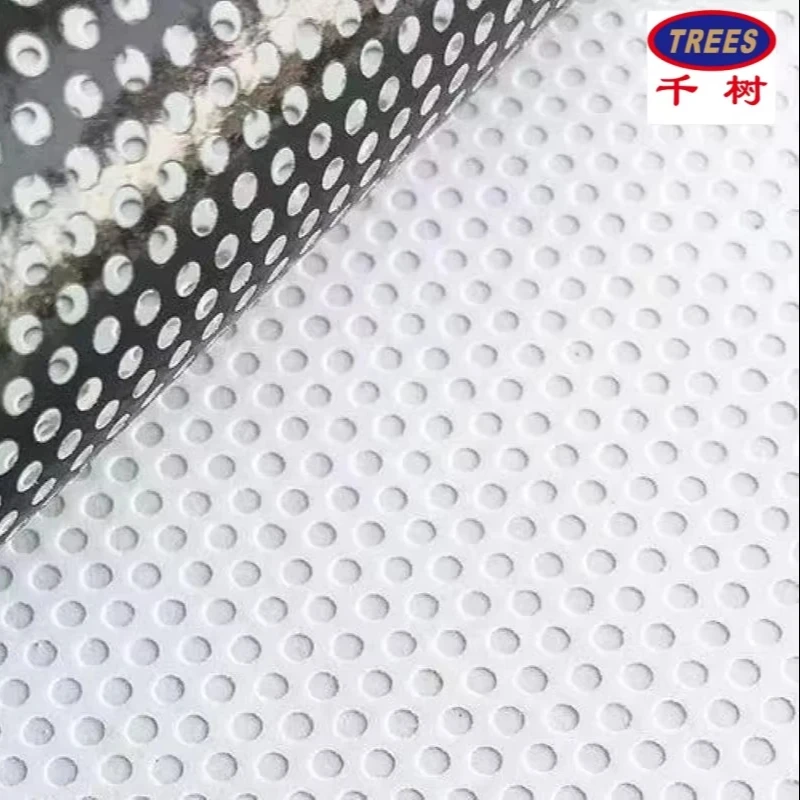
| Window use | Confirm viewing direction, opacity, and whether adhesive contact will remain stable with heat and sunlight. |
A common mistake is to evaluate only the face stock. In practice, adhesive behavior is system behavior: the surface preparation, installer technique, and environment all matter. Dust, silicone residue, uneven paint, or a cold substrate can undermine a suitable material.
Confirm printer, ink, and finishing compatibility
Before committing to volume, document the printer model, ink family, resolution expectations, drying time, and any lamination or cutting process. The same poster media can perform differently when production settings change. If your workflow includes contour cutting, edge sealing, or lamination, include those steps in the trial rather than treating printability as the only pass/fail point.
Ask an OEM supplier for a sample process that mirrors production: print a small batch, let it cure as your team normally would, apply it to the intended substrate, then inspect color, curl, edge lift, and removal. This is more useful than a single hand-applied swatch. It also gives purchasing and production teams a shared acceptance reference.
Balance opacity, thickness, and handling
Opacity matters when a new display covers an existing color or graphic. Insufficient hiding power can let the background alter the perceived color of the printed image. Thickness and stiffness affect handling, but they should be considered alongside conformability. A very stiff material can be harder to apply neatly around small irregularities; an overly soft construction may be harder to manage on large panels.
For advertising displays, the appropriate balance is usually the one that matches the surface and installation method. A flat retail wall, a glass panel, and a textured exhibition structure do not create the same demands. This is why a specification sheet should guide the conversation, not replace a job-specific test.
How to compare OEM self adhesive poster paper samples
When reviewing samples, treat oem self adhesive poster paper as a finished display component rather than only printable stock. Apply each sample to the intended surface, check it under the installed lighting, and evaluate it after the same handling and dwell time the campaign will use. For example, a window promotion may need a different balance of opacity and removability than a short event panel.
For repeat programs, keep an approved-sample record that links oem self adhesive poster paper to the printer, ink, application surface, finish, and campaign type. That reference reduces the chance that a later purchase is judged against a different production setup. If a material changes, rerun the same test rather than assuming similar appearance means identical performance.
Ask the supplier to identify the adhesive category, intended surface range, printable face, and storage guidance in the sample documentation. The goal is not to demand an unrealistic universal material. It is to make the limits of each oem self adhesive poster paper option visible before a promotion is on the wall.
Use a practical OEM buying checklist
- Describe the display surface and whether it is smooth, painted, glass, textured, or previously coated.
- State the campaign duration and the expected removal condition.
- Specify indoor, window, semi-outdoor, or outdoor exposure.
- Provide printer, ink, finishing, and installation details.
- Choose the preferred visual finish: matte, gloss, or another approved option.
- Run a representative print-and-apply sample before bulk approval.
- Agree on inspection points for roll condition, print consistency, adhesive behavior, and packaging.
Set acceptance criteria before volume production
A purchase order for oem self adhesive poster paper is easier to manage when the acceptance criteria are written before volume production. Include the agreed finish, roll condition, printable side, adhesive expectation, packaging protection, and sample reference. Production teams can then inspect the delivered material against the same criteria used during approval.
Do not treat a successful small print as the final decision. Verify that the chosen oem self adhesive poster paper can be printed, cut, applied, and removed within the real workflow. That is especially important when the project uses large panels or multiple installation crews, where a small handling issue can become visible across an entire campaign.
Work with a supplier that supports verification
The strongest OEM relationship is not built on a description alone. It is built on a clear brief, samples, and a repeatable approval process. TREES supports OEM/ODM customization for advertising consumables, so buyers can discuss specifications against their actual application rather than trying to force a generic roll into every display job. When the first order is important, sample-based verification is a sensible way to reduce uncertainty before scaling.
In short, choose oem self adhesive poster paper by working from the installation conditions backward: surface, display period, environment, visual finish, print workflow, and removal expectation. That sequence produces a more dependable advertising display than choosing on price, thickness, or appearance alone.
 Hot News