
 EN
Optimizing 2026 Campaigns with Eco Solvent Outdoor Vinyl
Outdoor campaigns in 2026 will still be judged at street level: does the graphic look consistent, survive its intended display window, and arrive on time for installation? For a print buyer, eco solvent outdoor vinyl is not simply a roll specification. It is a production decision that links artwork, printer compatibility, surface conditions, finishing, and replenishment. Treating those decisions as one workflow helps campaign teams protect both visual quality and budget.
From a procurement perspective, the useful question is not “Which vinyl fits the job?” It is “Which eco solvent outdoor vinyl setup fits this campaign’s exposure, installation surface, and production schedule?” That small shift prevents a common problem: a material is selected on price, then the team discovers late in the job that the adhesive, print profile, or finishing process does not suit the application.
Start with the campaign brief, not the roll width
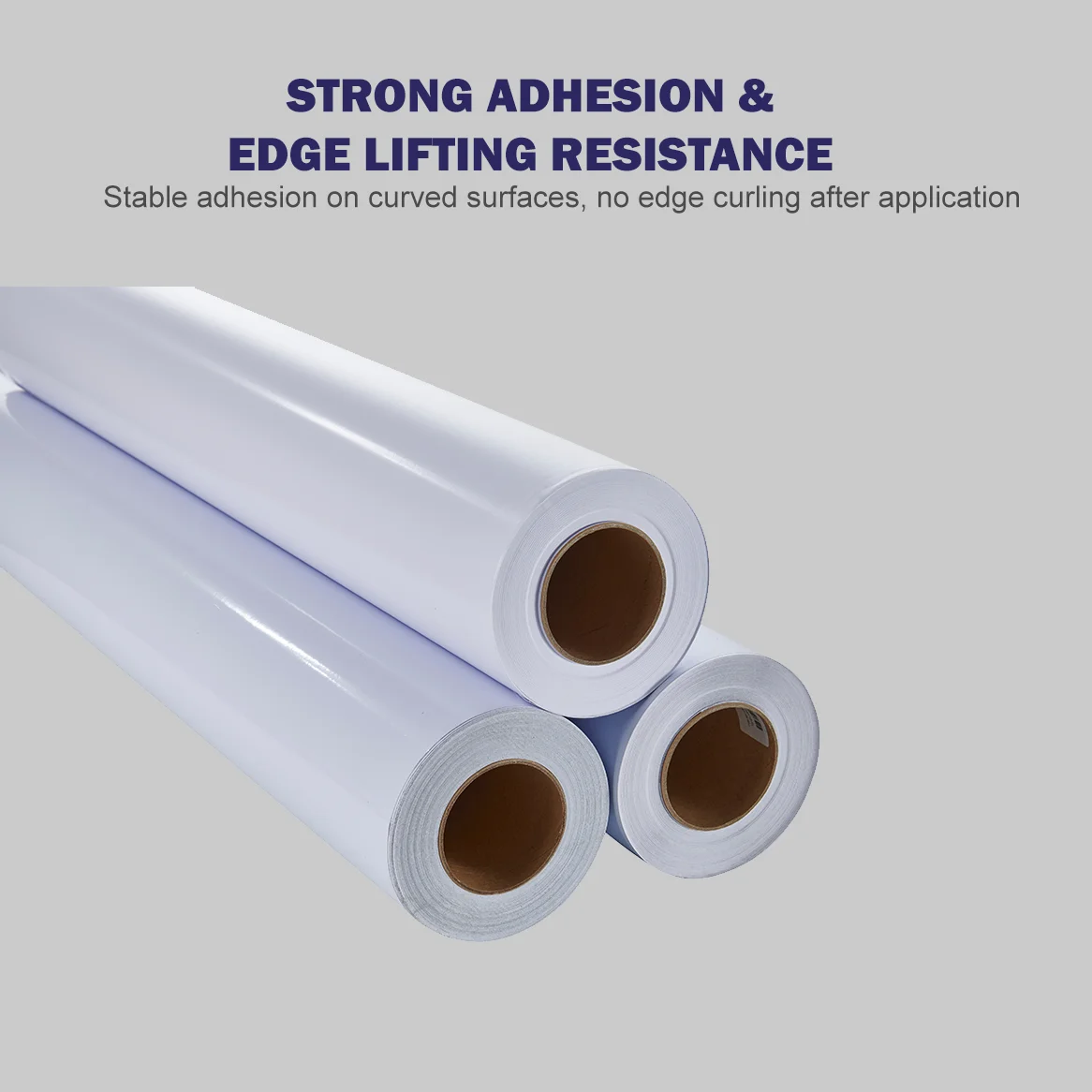
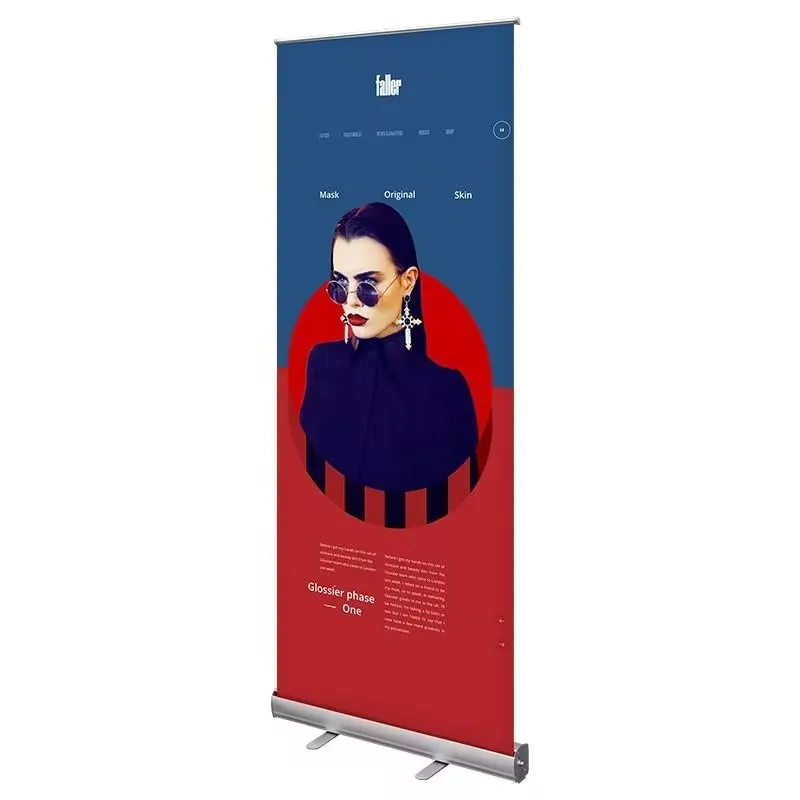
Before requesting samples, document where each graphic will live and how long it needs to perform. Separate short promotion windows from longer installations. A window graphic, a flat-panel sign, and a vehicle decal can all use printable vinyl, but they place different demands on conformability, adhesion, removal, and protection. Eco-solvent media is commonly considered for signs, banners, window graphics, and decals, so the application list should drive the conversation with the converter or supplier.
Build a simple application matrix with four columns: exposure conditions, substrate, expected display period, and finishing need. Add installation constraints such as curves, seams, cleaning practices, or a fixed overnight install. This gives the production team a practical way to compare eco solvent outdoor vinyl options without pretending that a single material fits every placement.
Questions that uncover hidden production risk
- Is the surface smooth, flat, textured, curved, or frequently cleaned?
- Will the graphic face prolonged sun, rain, wind, abrasion, or temperature swings?
- Does the campaign need a removable graphic, a permanent marking, or a planned replacement cycle?
- Will a laminate be required for handling, abrasion resistance, or the expected display period?
- Can the printer, ink, profile, and finishing sequence be tested together before the full run?
These questions matter because material compatibility is a system issue. The ink can print well while the final job still underperforms if the coating, adhesive, substrate preparation, or laminate choice is wrong for the use case.
Plan the eco-solvent print and finish sequence
A campaign schedule should reserve time for printing, drying or outgassing, finishing, curing where applicable, packing, and installation. Eco-solvent printing requires a drying and outgassing stage before downstream finishing decisions. The exact timing should come from the ink, media, printer, and laminate guidance used by the production team; it should not be guessed from a generic timetable.
That checkpoint is easy to miss when a launch date is close. If graphics are laminated or installed before the printed system is ready, the team may introduce avoidable handling or appearance issues. A better 2026 campaign plan includes a sample approval that uses the actual eco solvent outdoor vinyl, printer profile, ink load, and intended finish. The approved sample becomes a reference for color, texture, adhesive behavior, and installation handling.
Use a controlled sample instead of a visual-only proof
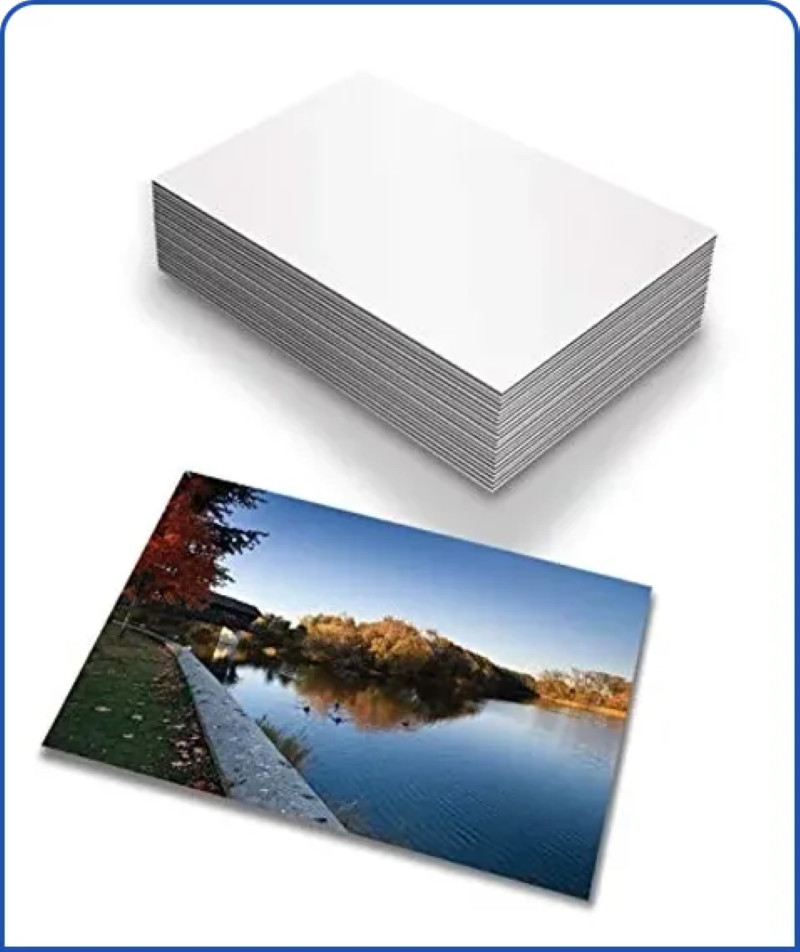
A desktop proof can validate copy and layout, but it cannot validate the complete material system. Ask for a production-representative test panel. Review it under conditions similar to the final placement, then check practical details: edge lift, color consistency, laminate appearance, cut quality, and adhesion after the appropriate dwell time. For large campaigns, retain a signed sample and the production settings that created it.
This approach is especially useful when teams purchase in batches. Batch consistency matters more than an attractive initial sample. TREES operates its precision coating process from substrate treatment through finished packaging in its own factory, which supports a more traceable quality-control discussion with buyers. It is still appropriate to confirm the requirements for the specific campaign rather than assume every application uses the same construction.
Match material choice to campaign economics
Low unit price is only one cost. A more accurate comparison includes reprints, installation time, removal effort, waste from failed finishing, and the operational cost of a missed launch. When comparing eco solvent outdoor vinyl, ask suppliers to identify what is known about compatibility and what needs a site-specific test. Clear limits are more valuable than vague durability promises.
| Campaign factor | Planning action | Why it matters |
|---|---|---|
| Placement | Group graphics by surface and exposure | Avoids treating windows, flat boards, and contours as identical jobs. |
| Timeline | Schedule print, outgassing, finishing, and install separately | Protects the launch date from rushed downstream work. |
| Color control | Approve a production-representative sample | Connects artwork approval to the actual ink-and-media system. |
| Volume | Define roll, batch, and replenishment requirements early | Reduces variation during phased campaign rollouts. |
| Field handling | Brief installers on surface preparation and graphic sequence | Turns material selection into a repeatable installation process. |
Build a repeatable 2026 campaign workflow
- Classify every placement. List the substrate, exposure, campaign duration, and removal expectation.
- Choose a short list. Compare eco solvent outdoor vinyl candidates against those conditions, not against price alone.
- Run a system test. Use the actual printer, ink, profile, laminate, and planned installation method.
- Lock the production reference. Save the approved sample, settings, finishing sequence, and batch information.
- Plan contingency stock. For staged rollouts, agree how additional material will be matched and checked.
- Review field feedback. Capture what installers and account teams observe so the next campaign brief improves.
The goal is not to add paperwork. It is to move decisions upstream, where a material change is inexpensive and a sample can still reveal a mismatch. As campaign formats become more varied, that discipline helps print providers, agencies, and buyers make better use of eco solvent outdoor vinyl across outdoor graphics programs.
Final takeaway
Eco solvent outdoor vinyl can support effective outdoor campaign graphics when the media choice is connected to real application conditions and a controlled production sequence. Define the placement, validate the full print-and-finish system, allow for outgassing, and retain the approved production reference. Those steps give 2026 campaigns a more dependable path from creative file to installed graphic—without relying on unsupported universal performance claims.
 Hot News