
 EN
EN
What Is Self-Adhesive Poster Paper and How Is It Used?
Picture a trade show floor three days before opening: a sign shop has just received rolls of media from a new supplier, and the prints look sharp — but the moment the team starts applying panels to the booth walls, air bubbles appear and edges lift. The material was described as "self-adhesive poster paper," yet no one had confirmed whether the adhesive grade matched the surface or the ambient temperature. That gap between material specification and real-world application is where most costly mistakes happen.
For print shops, display producers, and wholesale buyers sourcing from a self adhesive poster paper manufacturer, understanding exactly what this material is , understanding how it is made, what types exist, and where each type performs well, is the foundation of every profitable print run and installation project.
What Is Self-Adhesive Poster Paper?
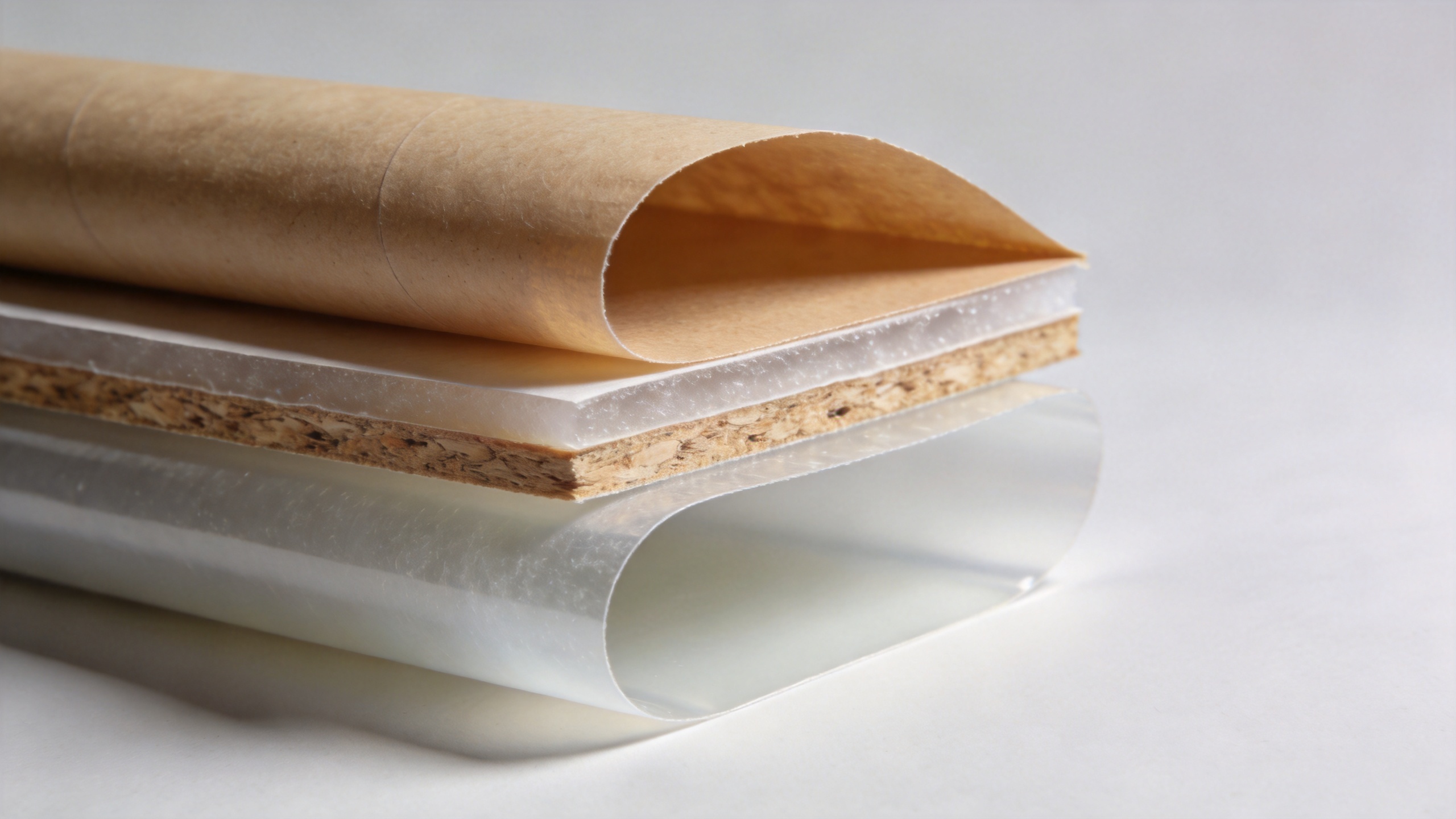
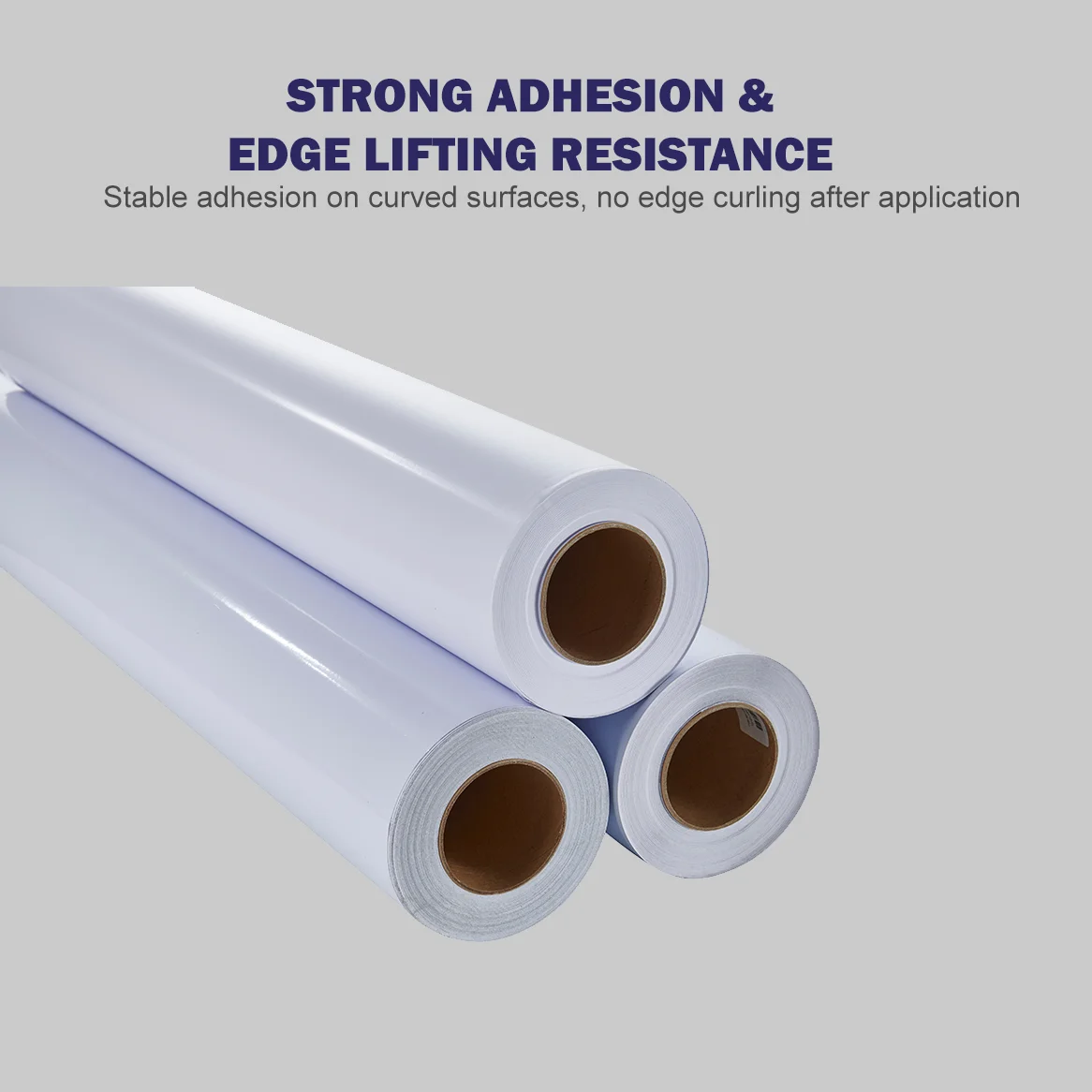
Self-adhesive poster paper is a multi-layer print media consisting of three bonded components: a printable face stock (the base substrate), a pressure-sensitive adhesive layer, and a release liner. The face stock is typically a precision-coated paper or polypropylene film engineered to accept inkjet or solvent inks with accurate color reproduction. The adhesive layer is formulated to bond to a target surface when pressure is applied, while the silicone-coated release liner protects the adhesive until installation.
The key difference between a standard poster paper and self-adhesive poster paper is not just the presence of glue. The adhesive chemistry, the base material weight, coating finish, and release liner type all work together to determine repositionability, adhesion duration, moisture resistance, and clean removal.
Types of Self-Adhesive Poster Paper
Not all media from a self adhesive poster paper manufacturer is built the same. The two primary classification axes are adhesive type and face stock finish, and each combination targets a different end application.
By Adhesive Type
- Permanent adhesive: Forms a strong, lasting bond intended for applications where the poster or graphic will not be moved after installation. Suitable for outdoor signage, long-term retail displays, and promotional backdrops that stay in place for weeks or months. Mid-weight grades typically range from 200 to 275 gsm with liner.
- Removable adhesive: Allows the poster to be peeled away cleanly from most smooth surfaces — glass, painted drywall, acrylic — without leaving adhesive residue. Preferred for exhibitions, events, retail window displays, and seasonal campaigns. From experience working with exhibition clients across spring and autumn peak seasons, removable grades reduce installation damage claims significantly compared to permanent alternatives used in the same venue.
- Repositionable adhesive: A subset of removable adhesive with lower initial tack, allowing repeated placement corrections before a final press-down commit. Useful for display installers in high-pressure on-site environments where panel alignment must be adjusted quickly.
By Face Stock Finish
- Matte: Reduces surface glare and reflections, making it easier to read in brightly lit retail or exhibition spaces. Ink sits on a matte coating layer, producing softer tones suited to photography and lifestyle visuals.
- Gloss / high-gloss: Produces vibrant, saturated colors and a visually rich surface. More commonly used for product advertising, event backdrops, and promotional posters where visual impact is the primary goal.
- Satin / semi-gloss: A middle-ground finish that balances ink vibrancy with reduced hot-spot reflections, often chosen for mixed indoor environments.
Key Technical Specifications
When evaluating material from a self adhesive poster paper manufacturer, these are the specification parameters that matter most for your specific print workflow:
- Total weight (with liner): Typically between 170 gsm and 275 gsm for standard indoor applications; outdoor-resistant grades can reach 275 gsm or above. A multilayer-coated, water-resistant grade for outdoor use typically comes in at 275 gsm with liner, per product datasheets from established suppliers.
- Face stock thickness: Self-adhesive media at 200 g/m² commonly measures around 203 microns (8 mil) per ISO 534, providing adequate stiffness for roll-to-roll printing while remaining flexible enough for flat-wall application.
- Coating type: Aqueous coating for water-based/dye-sub inks; solvent-compatible coating for eco-solvent and mild solvent presses; UV-curable coating for UV flatbed or UV roll-to-roll output. A qualified self adhesive poster paper manufacturer will specify compatible ink systems on the product datasheet. Matching the coating chemistry to the ink system is non-negotiable . A coating formulated for aqueous inks will not deliver consistent adhesion or color output on a solvent press.
- Release liner weight: Heavier liners (90–130 gsm) improve dimensional stability during printing and feeding. Lighter liners reduce roll weight for shipping but may contribute to edge curl in humid environments.
- Operating temperature range: Standard indoor grades perform reliably at 15°C–35°C. Outdoor grades require wider thermal tolerance and UV-resistant adhesive formulations to prevent delamination under direct sunlight.
How Is Self-Adhesive Poster Paper Used?
Media from a self adhesive poster paper manufacturer appears across a wide range of commercial and creative print applications. The most common use cases include:
- Retail and advertising displays: Window graphics, wall-mounted promotional posters, and point-of-sale displays in shops and supermarkets. Removable grades are preferred here as visual content changes seasonally.
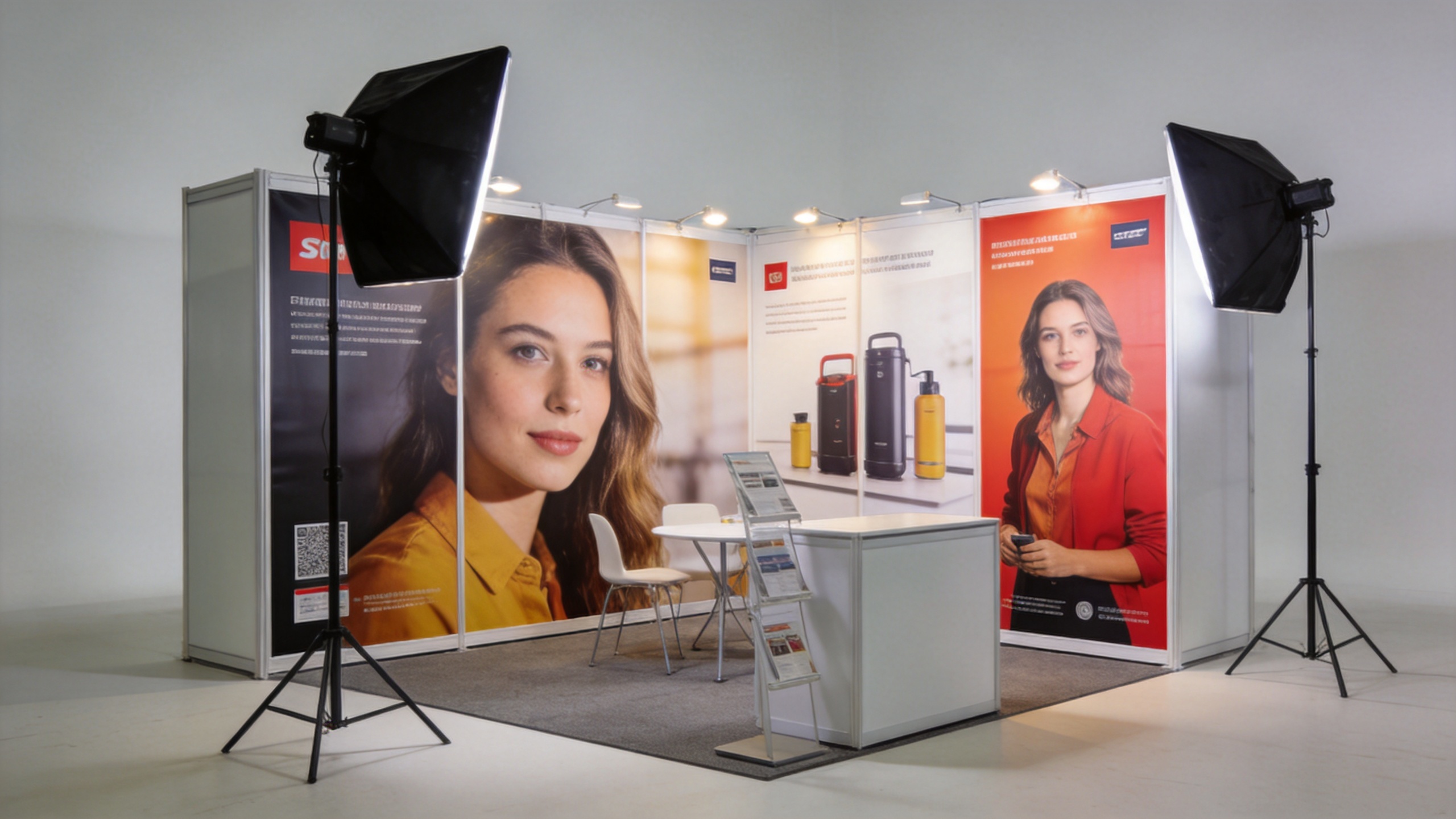
- Exhibition and trade show graphics: Booth wall panels, header banners, and floor graphics at industry events. The spring and autumn exhibition cycles create concentrated demand peaks, and printers typically stock both permanent and removable grades to cover all booth surface types.
- Weddings and event décor: Printed welcome boards, directional signage, backdrop panels, and themed wall art. Repositionable grades allow day-of adjustments without damaging venue surfaces.
- Funeral and memorial services: Tribute posters, photo displays, and directional signage — applications where image quality and ease of application are equally important.
- Indoor architectural graphics: Feature walls, branded corridor wraps, and temporary murals in offices, hospitality spaces, and showrooms.
- Label production at scale: Certain buyer segments use self-adhesive poster paper stock for large-format label applications, particularly in logistics and warehousing.
What to Look for in a Self-Adhesive Poster Paper Manufacturer
Selecting a self adhesive poster paper manufacturer goes beyond comparing the unit price per square meter. The variables that determine whether a self adhesive poster paper manufacturer is a reliable long-term partner include:
- Coating consistency across batches: Batch-to-batch variation in coating weight or adhesive coverage is the leading cause of inconsistent print output in volume production environments. A manufacturer operating its own precision coating line — from substrate treatment through to finished roll packaging — has more direct control over this variable than a trader sourcing finished stock from multiple converters.
- Ink system compatibility testing: Reputable manufacturers provide tested compatibility data across major ink chemistries (aqueous, eco-solvent, UV). Buyers should request ICC profiles or test print data before committing to a production order.
- Custom specification capability: For high-volume buyers with specific equipment or application requirements, the ability to request custom adhesive grades, liner weights, or coating formulations from a self adhesive poster paper manufacturer is a meaningful competitive advantage. Manufacturers with their own R&D coating capability can accommodate these requests; pure trading companies cannot.
- Quality management certification: ISO-certified quality management systems provide a structured framework for quality control traceability — an important consideration for international buyers who need consistent product across multiple shipments.
- Logistics and export capability: For buyers outside China, proximity to major export ports and established customs documentation capability reduces lead time uncertainty. Manufacturers based in logistics-efficient regions of Zhejiang Province, for example, benefit from direct access to both Ningbo Port and Shanghai Port.
Matching Material to Application
One of the most useful shifts in perspective for buyers new to sourcing self-adhesive poster paper is moving away from spec-sheet comparisons toward scenario-based evaluation. A 200 gsm gloss grade with permanent adhesive may produce excellent results for a window graphic campaign and be entirely the wrong choice for an exhibition booth in a venue with strict no-damage policy. The right material is not the heaviest or the most technically complex — it is the one whose adhesive chemistry, face stock performance, and dimensional stability are matched to the specific print process, installation surface, and display duration of the project.
Working with a self adhesive poster paper manufacturer that can provide detailed application guidance, not just a product datasheet, makes that matching process significantly more reliable. The difference between a supplier that ships rolls and a manufacturer that understands downstream application is often visible in the first order — and even more so in the third.

 Hot News