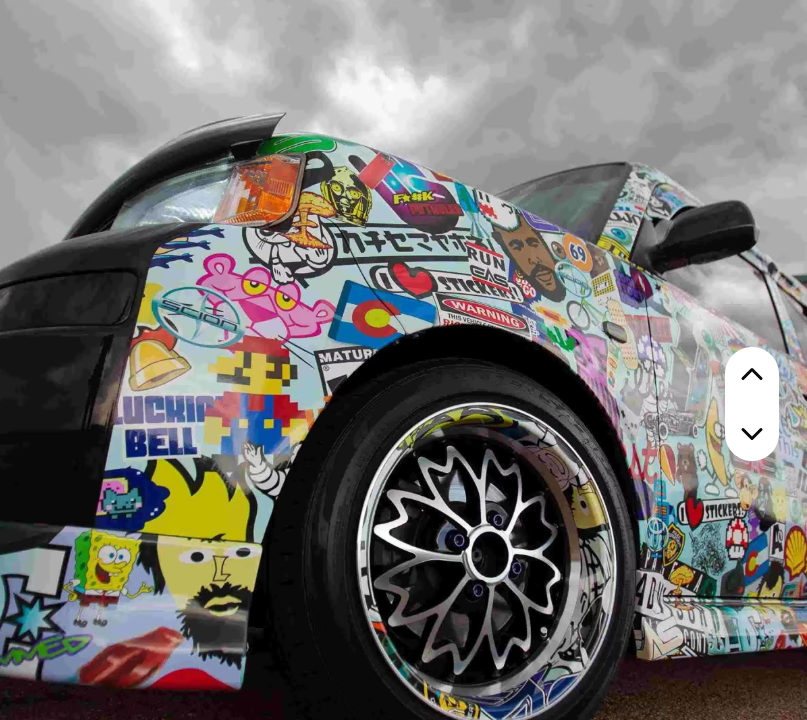
When exposed to UV light, chemical reactions start happening that gradually destroy the binding agents and colors in printed materials through oxidation processes. The solvent based inks tend to fade much faster because the UV radiation actually breaks apart the molecular structures of those organic coloring compounds. UV cured inks are generally tougher at first but eventually become brittle on the surface after prolonged exposure. What we see as a result is noticeable color changes measured around Delta E values above 5 within just half a year outdoors, tiny cracks forming across images which makes them look damaged, and what's called chalking when the actual pigment particles separate from their resin holding them together. For areas with intense sunlight levels, all these problems cut down how long prints last outside by roughly two thirds to four fifths compared to what happens inside buildings according to lab tests simulating years of weather conditions.
Premium overlaminate films integrate engineered defenses to counteract solar damage:
| Protection Mechanism | Function | Performance Impact |
|---|---|---|
| UV Absorbers | Convert UV radiation into harmless heat | Reduce fading by up to 80% |
| Quenchers | Deactivate photo-excited molecules | Prevent binder degradation and cracking |
| Radical Scavengers | Interrupt oxidative chain reactions | Extend outdoor print lifespan 3–5 |
A leading overlaminate film manufacturer achieves 99% UV blockage using multi-layer additive systems—validated by ASTM G154 testing—and preserves color vibrancy for over five years in full-sun outdoor conditions.
Field data collected from actual applications where materials get exposed constantly really highlights what makes overlaminate films so valuable. Take billboards for instance. These giant signs are bombarded day after day with UV rays and go through temperature swings that would wear out most materials quickly. But when we apply quality overlaminate films, they last anywhere from 3 to 5 years longer compared to regular printed versions without protection. The same goes for transit graphics like those colorful bus wraps we see everywhere. They endure constant vibrations, get scratched up regularly, and need frequent cleanings too. Research indicates that graphics covered with proper overlaminate maintain around 85 to 90 percent of their original colors even after sitting outside in city conditions for two whole years, which means businesses save money on replacements since they don't have to replace them as often. Coastal areas see particular benefits because these films stop saltwater damage and prevent edges from peeling off. When it comes to busy advertising spots where every minute matters financially speaking, relying solely on laboratory tests just doesn't cut it anymore. Actual performance numbers gathered right there in the field tell us much more about what works best in practice.
ASTM G154 accelerated weathering tests basically speed up what would normally take years of environmental wear and tear down to just a few weeks in the lab. But there's a catch they miss out on important real world factors like how pollution levels vary across different areas, those unpredictable changes in local humidity, and all sorts of mechanical wear that happens naturally. Because of these limitations, lab results tend to be overly optimistic about how materials will perform in the field, sometimes by as much as 30 to 40 percent. Take printed materials for instance something that passes 2,000 hours of artificial UV testing might start showing signs of deterioration within just 18 months when placed in a tropical climate where adhesives break down faster and moisture gets into everything. That's one reason top quality overlaminate film producers don't rely solely on ASTM G154 data. Instead they run parallel field tests across multiple locations over several years, comparing what happens in controlled environments versus actual conditions outside. This approach gives them a much better understanding of how their products will hold up in critical outdoor applications where failure isn't an option.
When looking at materials for protective coatings, polyurethane (PU), polyester (PET), and PVC all have their own strengths when it comes to environmental protection. PU stands out because it stays flexible even after years of UV exposure and doesn't suffer from plasticizer migration issues that plague PVC. Polyester brings something different to the table with its excellent tensile strength and ability to maintain shape. Tests show it absorbs about 30% less moisture than PVC during those accelerated weathering trials. While PVC might be cheaper upfront, it has serious limitations in extreme temperatures. The material gets brittle when temps drop below -20 degrees Celsius and starts to soften once things heat up past 60 degrees. Smart manufacturers know this and are turning to hybrid solutions combining PU and PET layers. These multi-layer composite films typically feature five distinct layers that merge the best qualities of both materials. They get the structural integrity from PET and the impact resistance plus UV protection from PU, which cuts down on moisture vapor transmission rates by around 40% compared to regular PVC films.
In tropical and coastal areas, edge lifting causes about 78 percent of early failures in outdoor prints, based on what industry experts have found through their failure analysis work. The newer acrylic adhesives with those cross linked polymer chains keep around 95% of their bonding power even when humidity levels go past 95%, something regular adhesives just can't handle because they break down from water exposure. These advanced materials also have micro channels built right into them that let moisture escape gradually without causing the layers to separate. And then there are these UV cured primers that actually form chemical bonds between the printed ink and whatever material it's applied to. Getting the expansion rates right between different materials matters a lot too. When the numbers don't match up by more than 15 micrometers per meter per Kelvin, tests show edge lifting happens three times faster during repeated humidity cycles according to ASTM D2240 guidelines.
Copyright © Zhejiang Yueqianshu Digital Technology Co., Ltd. - Privacy policy
 EN
EN

 Hot News