
 EN
What Are Self Adhesive Materials and Their Role in Advertising Printing?
In advertising printing, self adhesive does not simply mean “sticky.” It describes a layered graphic medium designed to accept ink, bond to a surface, and release cleanly from a protective liner during installation. For sign makers, print shops, and buyers, that construction matters because the same printed design can behave very differently on a shop window, a display panel, a vehicle, or a short-term promotion.
From a material-selection perspective, the useful question is not whether a self adhesive film exists for a job. It is which combination of face film, adhesive, liner, print process, and installation conditions will support the intended result. A material may look fine on a test print yet create avoidable waste if it does not suit the substrate or the working environment.
What is a self adhesive material?
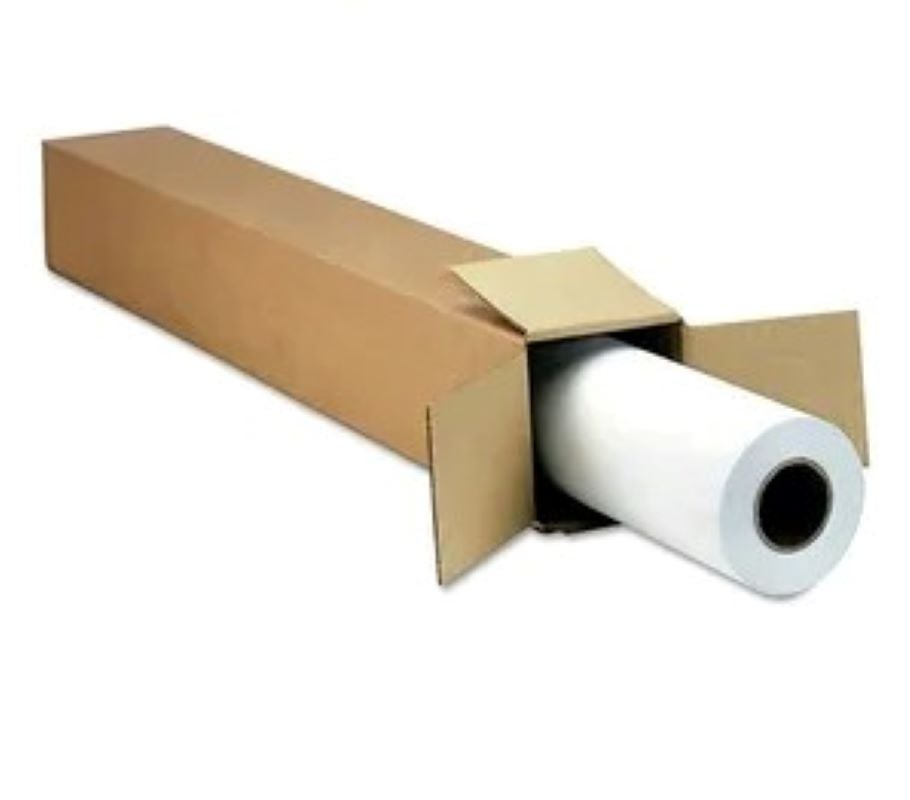
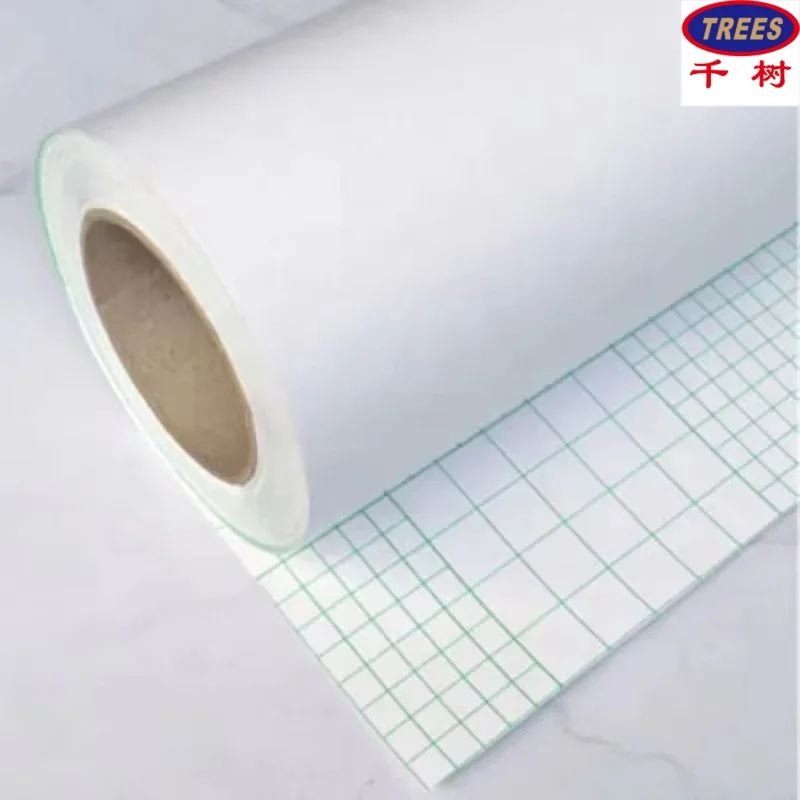
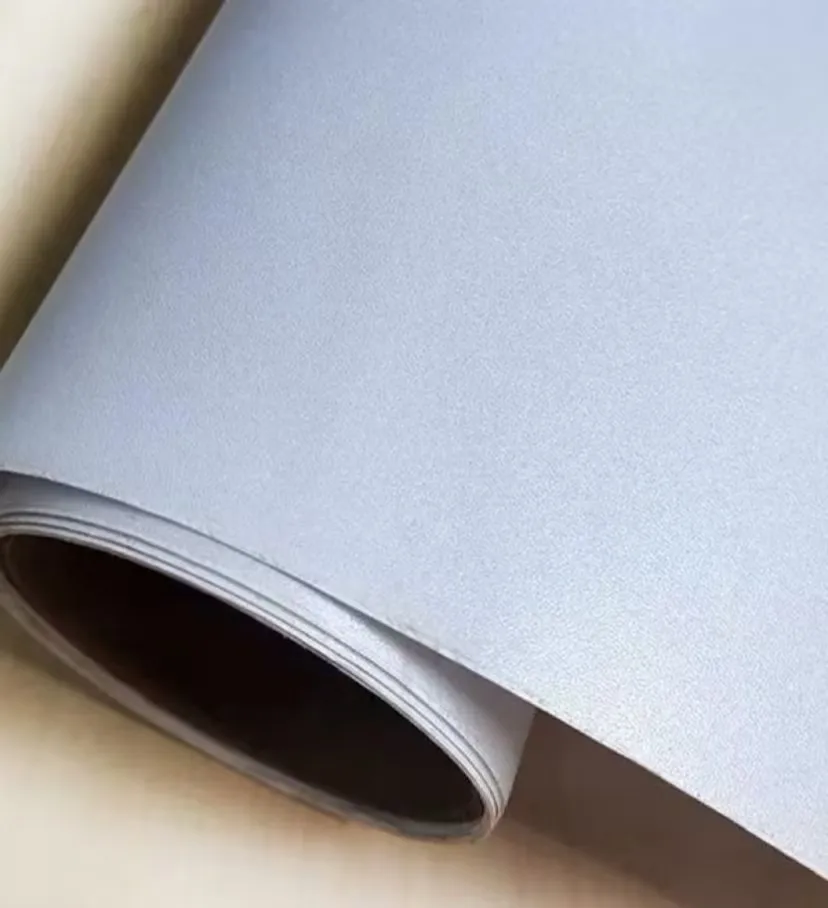
A self adhesive material is commonly built from several working layers. The printable face film is the visible surface. Beneath it sits a pressure-sensitive adhesive that bonds when the installer applies pressure. A release liner protects that adhesive until application. Depending on the media, coatings may also help with ink reception, opacity, surface finish, or handling.
This layered design is why advertising-grade self adhesive media should not be treated as a generic label stock. A glossy vinyl, a matte film, a clear window graphic, and a removable promotional sheet may all be self adhesive, but they can have different face materials, tack levels, liners, and expected service conditions.
Why self adhesive media matters in advertising printing
Self adhesive materials turn printed graphics into applied communication. Instead of requiring a rigid board, frame, or separate fastening method, a print can be installed directly on a prepared surface. That makes the format useful for retail messages, point-of-sale campaigns, window displays, directional signs, wall graphics, labels, partial vehicle lettering, and some wrap applications.
The advantage is practical as well as visual. A print provider can produce a graphic at the required size, finish it, and install it where the audience encounters it. However, convenience is not a substitute for compatibility. If the substrate is textured, low-energy, dirty, damp, or highly curved, the adhesive system and installation method need extra attention.
The main components to evaluate
Face film: the printable surface
The face film influences appearance, conformability, opacity, and how the image is perceived. Vinyl is widely used for many sign and graphic applications, while paper-based materials can suit short-lived indoor labels or promotions. Clear, white, metallic, matte, and gloss finishes each change both the design result and the practical application range.
It is tempting to assume that a thicker or glossier film will suit every job. Often it will not. For a short indoor campaign, easy handling and clean appearance may matter more than long-term weather resistance. For a curved surface, flexibility may take priority over a dramatic finish.
Adhesive: the bonding decision
The adhesive layer determines how the material grips the target surface. Permanent adhesive is intended for applications that should remain in place, while removable adhesive is designed to allow later removal under suitable conditions. Initial tack, final adhesion, temperature during application, and surface energy all affect results.
One practical boundary is this: a removable self adhesive product is not a promise that every surface will be residue-free after every exposure period. Surface paint, texture, age, cleaning chemicals, heat, and dwell time can change removal behavior. A representative test application remains the sensible way to reduce uncertainty.
Release liner: a small layer with a large workflow effect
The liner protects the adhesive, but it also affects converting and installation. A stable liner supports smooth feeding, cutting, weeding, and release. For larger graphics, installers benefit when the liner releases predictably rather than pulling, tearing, or allowing the film to distort during handling.
How self adhesive choices affect print quality
Print quality is a system result. Ink, print mode, curing or drying, color management, and the face coating all need to work together. A self adhesive material can be printable in a broad sense and still require a profile or process check to achieve the desired color, scratch resistance, and finish.
For instance, solvent, eco-solvent, UV, latex, and aqueous workflows do not interact with every media surface in the same way. If your main equipment is a solvent printer, a material recommendation may be appropriate; if you use a UV printer, confirm ink and surface compatibility again. The same caution applies to lamination, contour cutting, and application tape.
Common advertising applications
- Retail windows: seasonal messages, opening promotions, and privacy or decorative graphics.
- Point-of-sale displays: shelf communication, counter graphics, and short-run campaign visuals.
- Indoor signs: directional graphics, wall decals, and temporary event information.
- Outdoor graphics: signs and promotions where the chosen face film and adhesive suit expected exposure.
- Vehicle lettering and graphics: applications that need careful attention to contours, cleaning, and installation conditions.
These uses share one principle: the material should be selected from the surface and service conditions outward, not from price alone. A low-cost self adhesive option that fails during installation or requires reprinting can be more expensive in the finished job.
A practical selection checklist
- Define the surface. Is it glass, painted metal, smooth plastic, a wall, a panel, or a curved vehicle section?
- Define the campaign life. Is the graphic needed for days, months, or a longer program?
- Confirm the print workflow. Check the ink technology, finishing process, and whether a test print is needed.
- Choose the finish intentionally. Gloss, matte, clear, and opaque media each create different visual outcomes.
- Plan the installation. Consider surface cleaning, application temperature, graphic size, and installer experience.
- Validate before volume. Test a representative sample on the real substrate, especially when removal, curves, or outdoor exposure matter.
Where mistakes usually happen
A frequent mistake is evaluating the film in isolation. In practice, a self adhesive graphic performs as part of a system that includes the printer, ink, finishing method, application surface, and installation conditions. Another common issue is judging a material only by a small sample. A sample can demonstrate color and feel, but a production run adds handling, panel alignment, storage, and installation variables.
Before ordering, ask a direct question: what is the actual job environment? That answer changes the selection direction faster than a generic comparison table. Indoor glass promotions and demanding outdoor graphic projects may both use self adhesive media, yet their priorities are not the same.
Conclusion
Self adhesive materials play a central role in advertising printing because they combine printable graphics with direct, flexible application. Their value comes from the whole construction: face film, adhesive, liner, compatible printing process, and disciplined installation. When those elements match the application, self adhesive media can support efficient, adaptable advertising graphics. When they do not, the risks are familiar: poor adhesion, difficult removal, color inconsistency, or rework.
For a reliable decision, start with the substrate, use case, and print workflow, then confirm the selected self adhesive material through a representative test. That approach is more useful than chasing a single supposedly ideal film, because advertising projects rarely have one universal answer.
 Hot News